
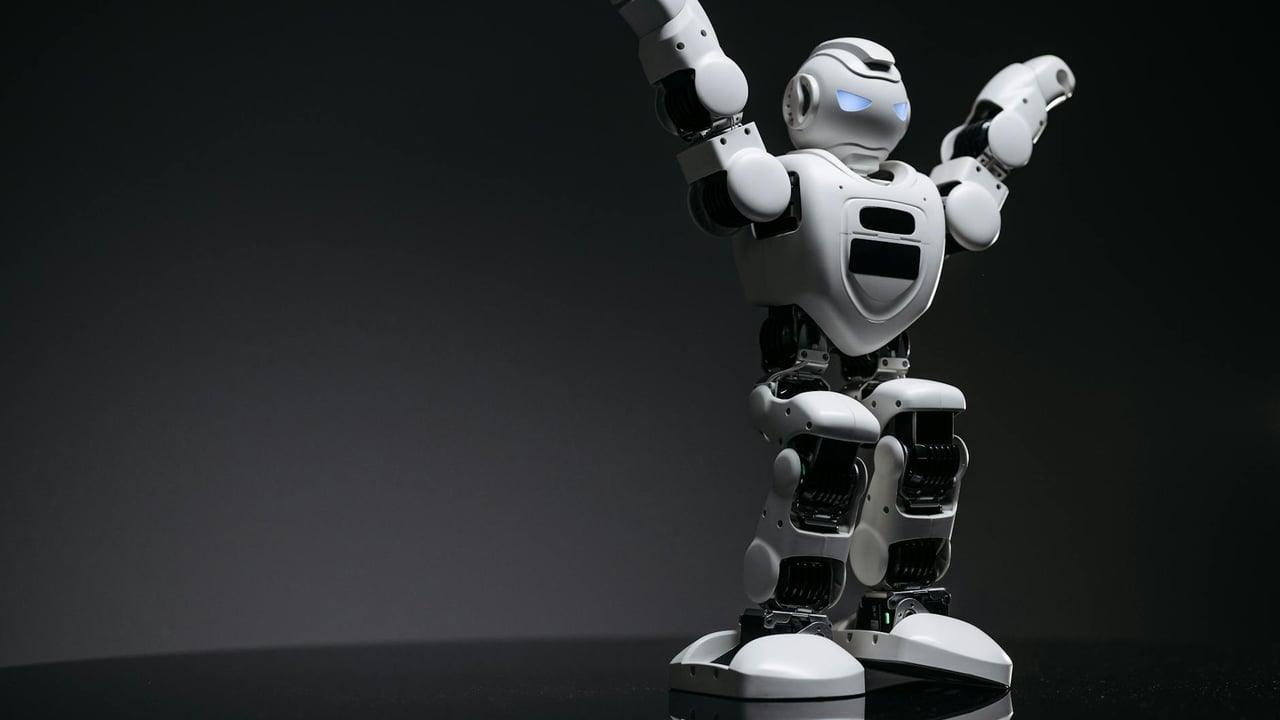

On May 1, the city of Hangzhou officially implemented the 'Regulations on Promoting the Development of the Embodied Intelligent Robot Industry.' This landmark legislation marks China’s first local regulatory framework specifically designed to govern and accelerate the sector where artificial intelligence meets physical robotics. By codifying the development of robots that can perceive, learn, and interact with the physical world, Hangzhou is positioning itself as the epicenter of a new industrial frontier.
The city's push into embodied AI is backed by a formidable industrial base, already boasting more than 700 companies involved in the robotics value chain. Local authorities have set an ambitious target to reach an industrial cluster output value of 106.8 billion RMB (approximately $14.7 billion USD) by 2025. This move signals a shift in China’s tech strategy, moving from purely digital software ecosystems to the 'physicalization' of intelligence in manufacturing and services.
Unlike traditional industrial robots that follow pre-programmed paths, embodied AI utilizes large models to navigate complex environments and perform human-like tasks. Hangzhou’s new regulations are expected to provide much-needed clarity on safety standards, data privacy, and testing protocols. By establishing a clear legal sandbox, the city aims to lower the barrier for startups and encourage the integration of humanoid robots into the broader economy.
This legislative milestone follows a broader national directive from Beijing to achieve mass production of humanoid robots by 2025. As global competition intensifies with Western firms like Tesla and Figure AI, Hangzhou’s proactive legal stance provides a competitive advantage. It offers a structured environment for rapid iteration, ensuring that the next generation of autonomous machines is built within a robust domestic regulatory framework.