Within Range: Beijing’s Hardening Rhetoric in the East China Sea Skies

A Chinese J-15 pilot’s direct missile threat to a Japanese aircraft underscores a new era of aggressive brinkmanship in the East China Sea. This incident reflects the growing tactical confidence of the People's Liberation Army Navy as it seeks to dominate the first island chain.

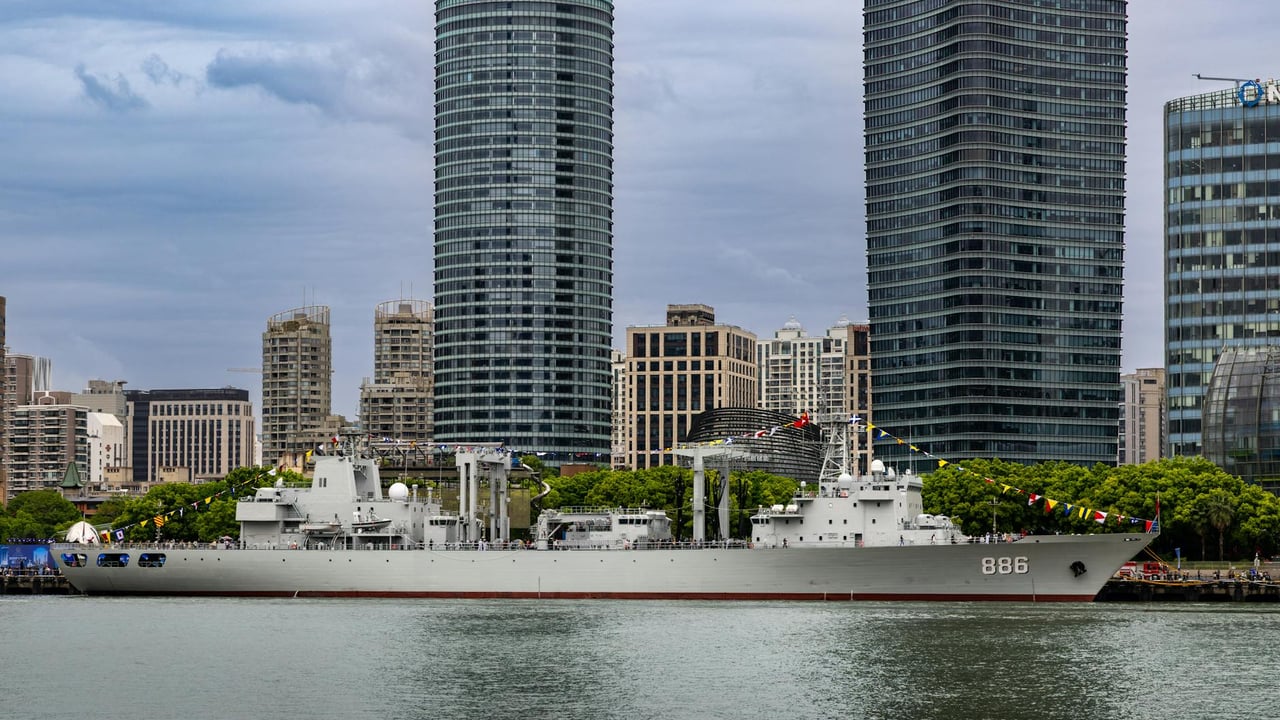
Military ship docked alongside a modern city skyline with high-rise buildings.

Key Takeaways

  • 1A J-15 fighter pilot issued a direct, aggressive warning to Japanese military aircraft, claiming they were within missile range.
  • 2The rhetoric signals a transition from standard maritime protocols to more confrontational 'wolf warrior' style communication in the air.
  • 3The encounter took place amidst an increasing operational tempo for China’s carrier strike groups near the first island chain.
  • 4Japan's Air Self-Defense Force continues to face immense pressure from the rising frequency of Chinese aerial incursions.
  • 5The incident heightens the risk of accidental escalation or miscalculation in disputed territories.

Editor's
Desk

Strategic Analysis

The J-15 pilot’s aggressive 'shout' is emblematic of a broader shift in the PLA’s operational culture, moving from a defensive mindset to one of proactive deterrence. By explicitly mentioning missile range, the pilot isn't just following a script; he is projecting a belief in technological parity or even superiority over the Japanese Self-Defense Forces. This psychological warfare is intended to establish the East China Sea as a 'no-go' zone for foreign powers, forcing them to weigh the risks of every flight. Strategically, this behavior aligns with Beijing's goal of normalizing its military presence in disputed areas, essentially daring neighbors to respond and thereby justifying further escalation. For the international community, this represents a dangerous erosion of the norms that have previously prevented localized friction from turning into regional conflict.

China Daily Brief Editorial
Strategic Insight
China Daily Brief

The skies over the East China Sea have long been a theater of strategic posturing, but a recent encounter between a Chinese J-15 carrier-based fighter and a Japanese military aircraft suggests a shift toward more aggressive tactical confrontation. During a standard intercept, the Chinese pilot reportedly issued a blunt warning, telling his Japanese counterpart that any maneuver would remain within the effective range of his air-to-air missiles. This verbal escalation marks a departure from the scripted, professional radio exchanges typically observed in international airspace.

The J-15, known as the 'Flying Shark,' serves as the backbone of China’s burgeoning carrier-based aviation capabilities. By projecting power far beyond the mainland's coastal defenses, these aircraft are essential to the People's Liberation Army Navy's (PLAN) goal of dominating the 'first island chain.' The pilot's assertion of missile lock-on capabilities during a routine encounter reflects a growing confidence within the PLAN aviation corps and a willingness to test the nerves of regional adversaries.

For Tokyo, these interactions are becoming a costly and constant reality of its defense posture. The Japan Air Self-Defense Force (JASDF) has been forced to significantly increase its scramble frequency to monitor Chinese assets operating near the Miyako Strait and the disputed Senkaku/Diaoyu Islands. This latest incident highlights the shrinking buffer for error in these high-stakes aerial maneuvers, where a single miscalculation could lead to a kinetic exchange.

As Beijing continues to modernize its fleet and refine its carrier operations, the rhetoric used by its pilots provides a window into the military's current doctrine. The shift toward more confrontational communication suggests that the PLA is no longer content with mere presence but is instead seeking to establish a psychological advantage. This evolution in the East China Sea serves as a warning to the broader international community about the increasingly precarious nature of maritime and aerial sovereignty in the Indo-Pacific.

Share Article

Related Articles

📰
No related articles found