
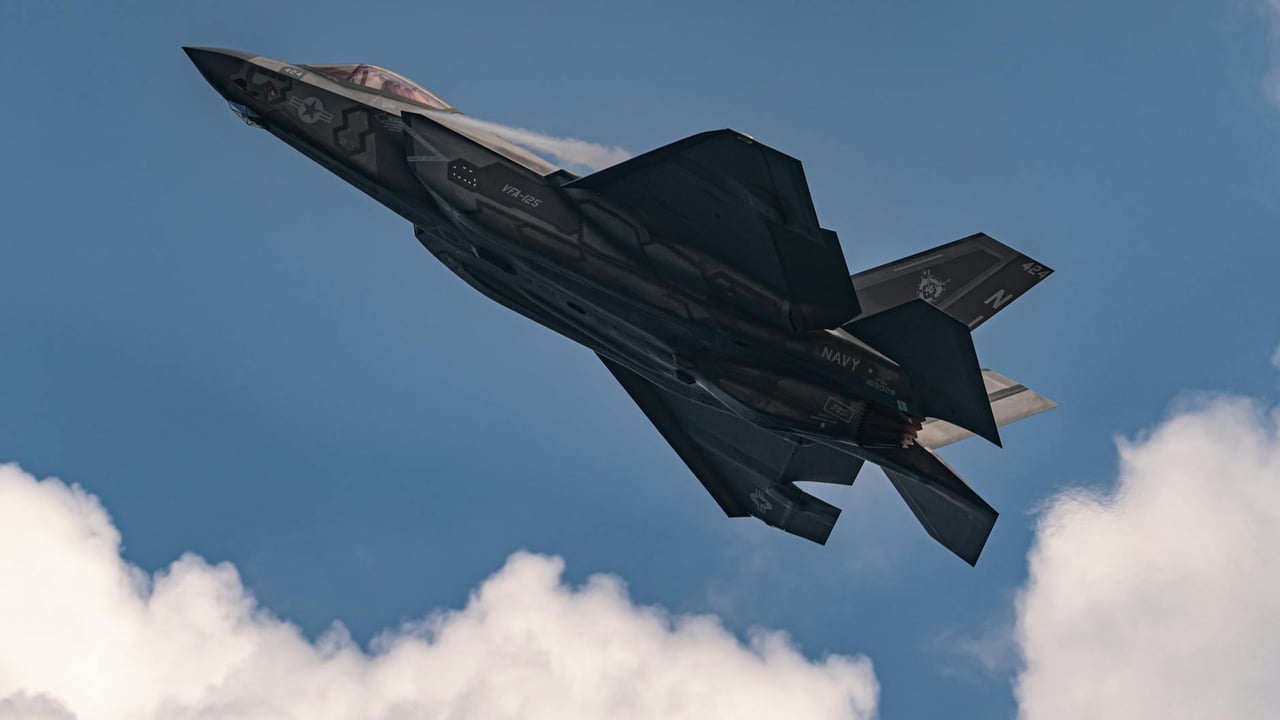

The People’s Liberation Army Navy (PLAN) has signaled a definitive shift in its maritime doctrine, announcing the completion of what state media calls the “five-piece set” of carrier-borne aircraft. This suite—comprising stealth fighters, heavy multirole jets, fixed-wing early warning aircraft, electronic warfare platforms, and anti-submarine helicopters—marks the transition of China’s carrier program from experimental to operational maturity. For the first time, the PLAN possesses the integrated system-of-systems required for modern, high-intensity naval warfare.
The linchpin of this advancement is the adoption of electromagnetic catapult technology, most notably featured on the Type 003 Fujian. Unlike its predecessors, the Liaoning and Shandong, which relied on "ski-jump" ramps that limited takeoff weight, catapult-equipped carriers can launch heavier, more sophisticated aircraft. This technical leap enables the deployment of the KJ-600 airborne early warning and control (AEW&C) aircraft, nicknamed "Nezha." As a flying command center, the KJ-600 extends the fleet's radar horizon and coordinates complex strikes, a capability previously held only by the United States and France.
In the air superiority domain, the introduction of the J-35 stealth fighter alongside the upgraded J-15T heavy fighter provides a potent tactical combination. The J-35 is designed to penetrate contested airspace and secure air dominance using its low-observable characteristics. Meanwhile, the J-15T—specifically modified for catapult launches—serves as the fleet’s primary "missile truck," utilizing its large payload capacity and long range to conduct saturation strikes against maritime and terrestrial targets.
This modernization effort underscores Beijing's strategic pivot from "near-sea defense" toward "far-sea protection." By fielding a comprehensive air wing that includes dedicated electronic warfare and anti-submarine assets, the PLAN is building the infrastructure necessary to project power far beyond the First Island Chain. The successful integration of these platforms suggests that China is no longer merely learning to operate carriers, but is now focused on mastering the complex synergies required for a global blue-water navy.