
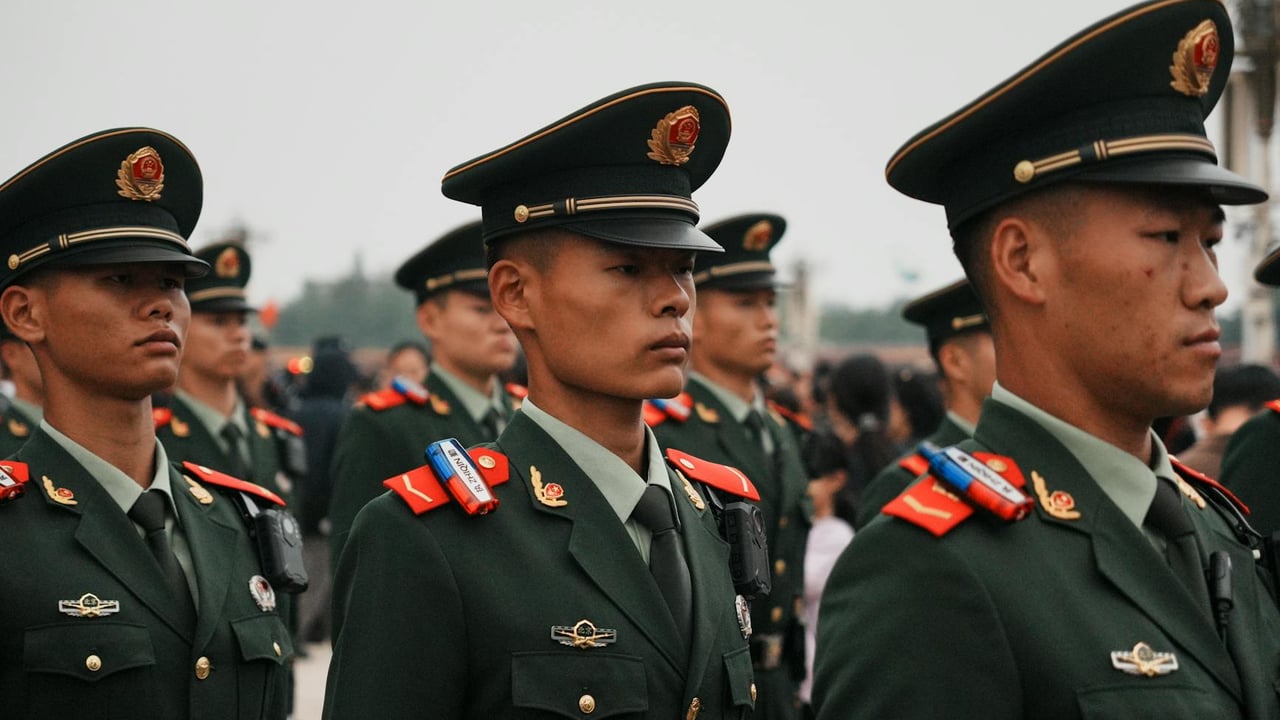

A month into their transformation at the People’s Liberation Army (PLA) training camps, a new cohort of female recruits is signaling a shift in the demographics of China's armed forces. The traditional image of the rural recruit is increasingly being replaced by urban, highly educated individuals like Ren Jiarui, a graduate student who transitioned from civilian life to what she calls the “sky blue” of the air force. This trend reflects the military's urgent need for intellectual capital as it pivots toward high-tech, information-based warfare.
The diversity of these new soldiers is striking, ranging from former campus broadcasters like Liu Xiaoying to members of university flag guards like Zhang Yi帆. Their narratives emphasize a psychological shift from individual expression to collective discipline. For Liu, trading a microphone for a rifle is not just a change of tools but a commitment to what she describes as “tempering the original mission with hot blood.” This rhetoric aligns with Beijing’s broader “Strong Army” initiative, which seeks to professionalize the ranks.
Institutional and familial ties also remain a potent force in Chinese military recruitment. Wu Yixuan, whose twin sister is already enrolled in a military academy, represents a growing class of “legacy” recruits who view military service as a family tradition and a path to social advancement. This social fabric provides the PLA with a stable foundation of loyalty even as the institution undergoes rapid technological and structural reforms to meet modern combat requirements.
The first thirty days of training serve as a crucible, marked by the physical loss of long hair and the gain of “sun-bronzed medals” of skin. As Lu Zifei notes, the sweat and the slogans represent a new identity that transcends the campus life they left behind. These personal accounts, while curated by military media, provide a rare window into how the PLA is successfully marketing national service to a generation of youth more accustomed to academic halls than tactical maneuvers.