
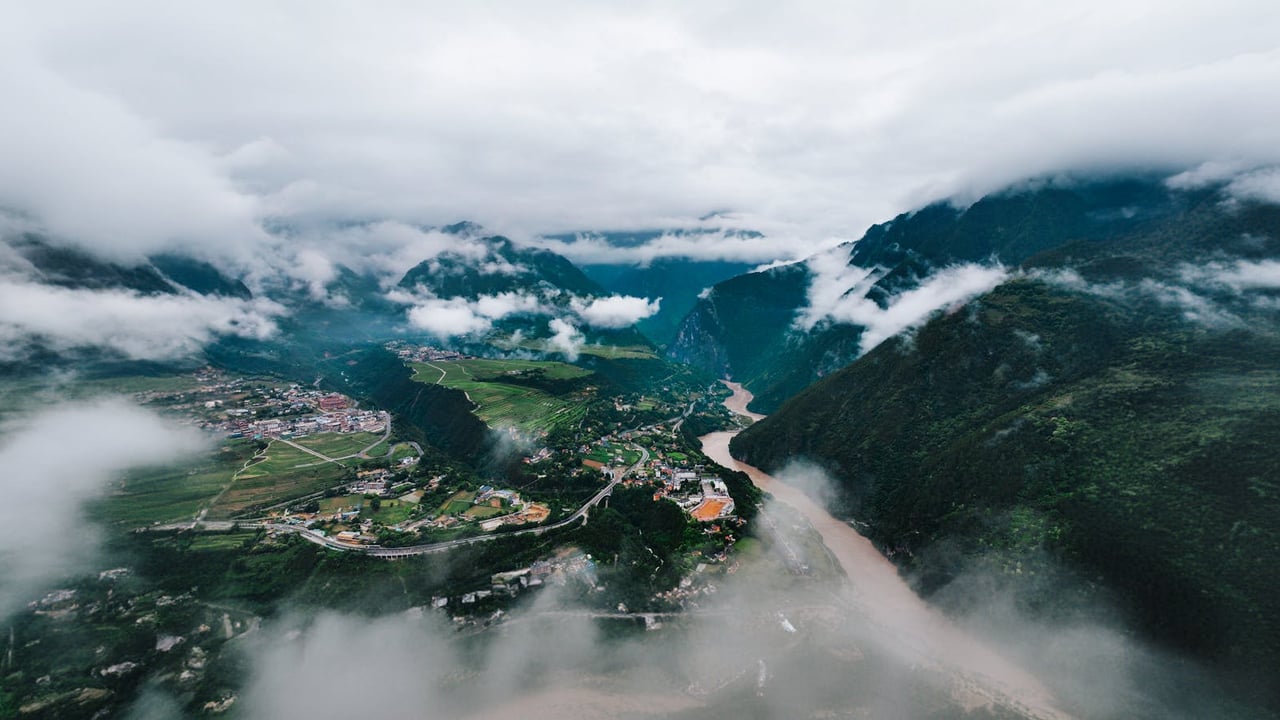

For nearly four decades, Sang Nancai has navigated a 486-kilometer postal route through the steep canyons of Yunnan’s Nujiang Lisu Autonomous Prefecture. Starting his career in 1988 at the age of 17, Sang became the sole link between the isolated Lisu ethnic minority and the outside world, a role he has maintained through 38 years of grueling physical labor and profound social change.
In the early years, the journey was a test of raw endurance, requiring Sang to trek through roadless terrain for up to six days at a time. The environment was unforgiving, defined by precarious cliffs, falling rocks, and sudden floods that often forced him to seek shelter under boulders. Over the course of his service, he has worn out 500 pairs of shoes and suffered permanent injuries, yet his commitment to the local villagers remained unshaken.
Beyond delivering letters, Sang functioned as a vital conduit for necessities, carrying everything from medicine to salt on his back for those unable to reach the nearest township. This human connection earned him the title "Toe-Ha-Ba"—the messenger—in the Lisu language, symbolizing a level of trust that transcended simple bureaucracy. His role evolved significantly in 2014 with the launch of China’s "Express to the Countryside" initiative, which shifted his focus from letters to logistics.
As infrastructure improved and the digital divide narrowed, Sang transitioned into an e-commerce facilitator, helping local farmers sell honey, walnuts, and herbs to a national market. This transformation from a traditional postman to a digital-age courier reflects the broader developmental leap of the Nujiang region, which state media describes as a "step across a thousand years." Today, Sang’s work is a family affair, with his wife joining him to manage what is now known as the "Couple’s Post Office."
Recently honored as one of the 2026 "Most Beautiful Workers" by the Central Propaganda Department, Sang’s legacy was further cemented by a front-row seat at the 2025 Spring Festival Gala. His story is now framed as a national archetype of the "Model Worker," embodying the persistence required to integrate China’s most remote borderlands into the modern state. For Sang, however, the mission remains personal, rooted in the recognition of every stone and every face along his lifelong path.