The Persistence of the Proletariat: China’s Infrastructure Engine Grinds Through the May Day Holiday

As China celebrates the May Day holiday, state-owned construction firms are maintaining full operations on critical innovation and educational infrastructure projects. This persistent activity highlights the government's reliance on infrastructure investment and the 'glorious labor' narrative to drive economic momentum.

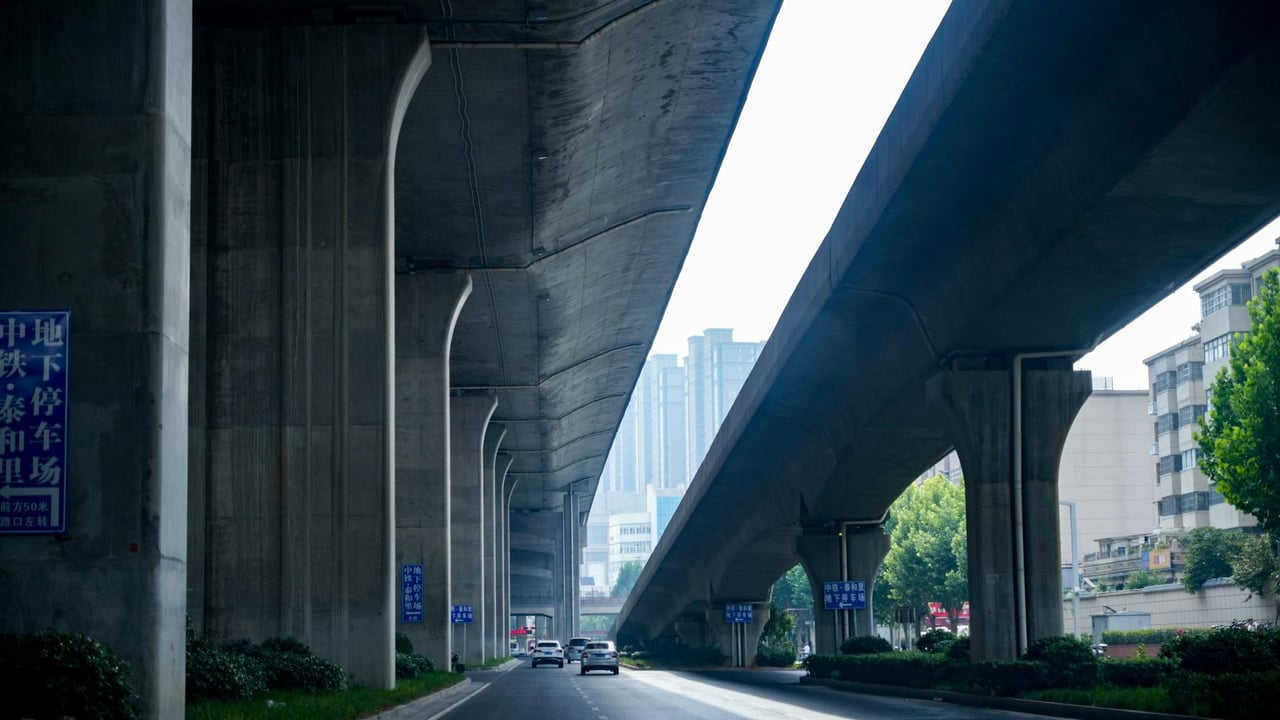
A modern urban highway underpass with clear traffic lanes and city buildings in the background.

Key Takeaways

  • 1Major infrastructure projects in Wuhan and Beijing continued work through the May Day holiday.
  • 2State-owned enterprises like CSCEC are leading the 'holiday duty' initiative to meet development deadlines.
  • 3The projects focus on strategic sectors, including high-tech industrial parks and educational facilities.
  • 4State media is reinforcing the traditional narrative that 'labor is glorious' to foster social cohesion and productivity.
  • 5Infrastructure remains a primary tool for local governments to meet annual GDP and development targets.

Editor's
Desk

Strategic Analysis

The decision to keep crews active during one of China’s most significant holidays is a calculated move that transcends mere construction schedules. It serves as a potent signal of the state's commitment to counter-cyclical economic management. By highlighting 'the beauty of the ordinary worker,' Beijing reasserts the ideological value of the working class while simultaneously ensuring that the physical foundations of its future economy—schools and tech parks—are not delayed by the consumerist distractions of the holiday. This persistent labor model is essential for maintaining the momentum of the 'dual circulation' strategy, where internal development must offset external economic pressures.

China Daily Brief Editorial
Strategic Insight
China Daily Brief

While hundreds of millions across China utilized the May Day holiday to participate in a post-pandemic travel surge, the nation’s massive construction apparatus remained conspicuously in motion. In the high-stakes innovation hubs of Wuhan and the expanding residential corridors of Beijing, state-backed construction crews continued their labor, signaling a state-mandated priority on infrastructure delivery over seasonal respite.

At the Wuhan Hongshan Ring University Innovation and Entrepreneurship Industrial Park, workers from the China State Construction Engineering Corporation (CSCEC) Third Bureau were documented maintaining a rigorous pace. This project serves as a cornerstone for Hubei province’s ambitions to bridge the gap between academic research and commercial industrialization, a key pillar in Beijing's national strategy for technological self-reliance.

Similarly, in Beijing’s Shijingshan district, the CSCEC Second Bureau is fast-tracking the construction of the Yamenkou Secondary School. The emphasis on educational infrastructure reflects a broader demographic and political effort to stabilize urban services amidst shifting population trends. For these workers, the 'glory of labor' is not merely a slogan but a reflection of the unrelenting schedule required to meet provincial development quotas.

This trend of 'holiday duty' underscores the unique economic role of State-Owned Enterprises (SOEs) in China. Unlike private firms that may scale back operations during public holidays to manage costs, SOEs often use these windows to demonstrate political loyalty and operational resilience, ensuring that strategic projects remain on or ahead of schedule despite the national holiday calendar.

Share Article

Related Articles

📰
No related articles found