
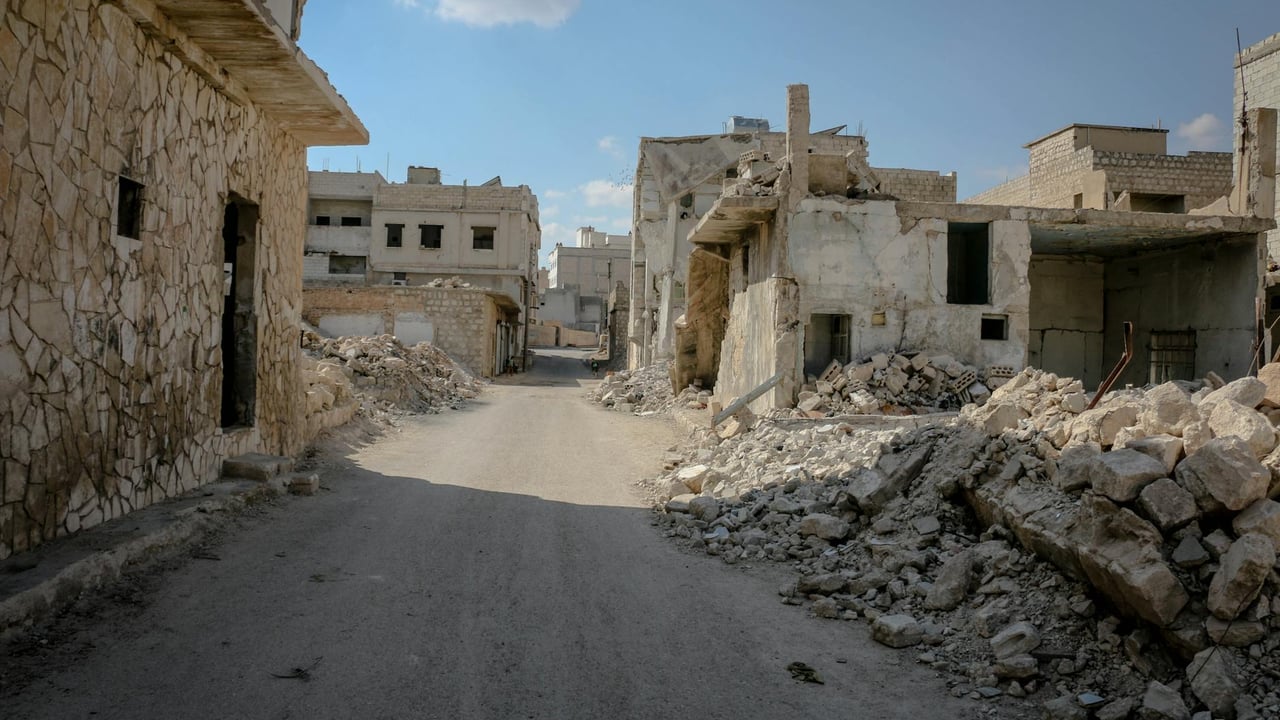

The ripple effects of modern warfare often begin with energy spikes but inevitably find their way into the most intimate corners of the household. Unilever, the consumer goods behemoth behind staples like Dove and Lux, has signaled that the cost of domesticity is set to rise. The company announced that the persistent conflict in the Middle East is now directly inflating the cost of personal care and laundry products.
Disruptions to critical trade routes and a subsequent surge in commodity prices have forced the multinational to adjust its pricing strategy. Unilever projects that its total input costs will swell by between 750 million and 900 million euros over the coming year. This financial burden is largely driven by mounting logistics hurdles and the increased expense of operating factories in an unstable global environment.
According to the company's financial leadership, consumers should prepare for a staggered series of price hikes, likely averaging between 2% and 3%. While the increase is global, the impact will be felt most acutely in emerging markets across Asia, Africa, and Latin America. These regions, often more sensitive to price fluctuations in essential goods, are expected to see the most significant adjustments starting in the latter half of 2026.
This shift reflects a broader trend where geopolitical instability acts as a hidden tax on global consumption. For the average consumer, the geopolitical friction of the Levant is no longer just a headline; it is a tangible increase in the cost of shampoo, soap, and detergent. As supply chains remain brittle, the ability of fast-moving consumer goods companies to absorb these shocks has reached its limit, passing the bill to the bathroom cabinet.