Shifting the Line: The Pentagon’s 5,000-Troop Pivot Away from Germany

U.S. Defense Secretary Pete Hegseth has ordered the withdrawal of 5,000 American troops from Germany within the next year. This move signals a major recalibration of the transatlantic security partnership and places pressure on European allies to increase defense self-sufficiency.

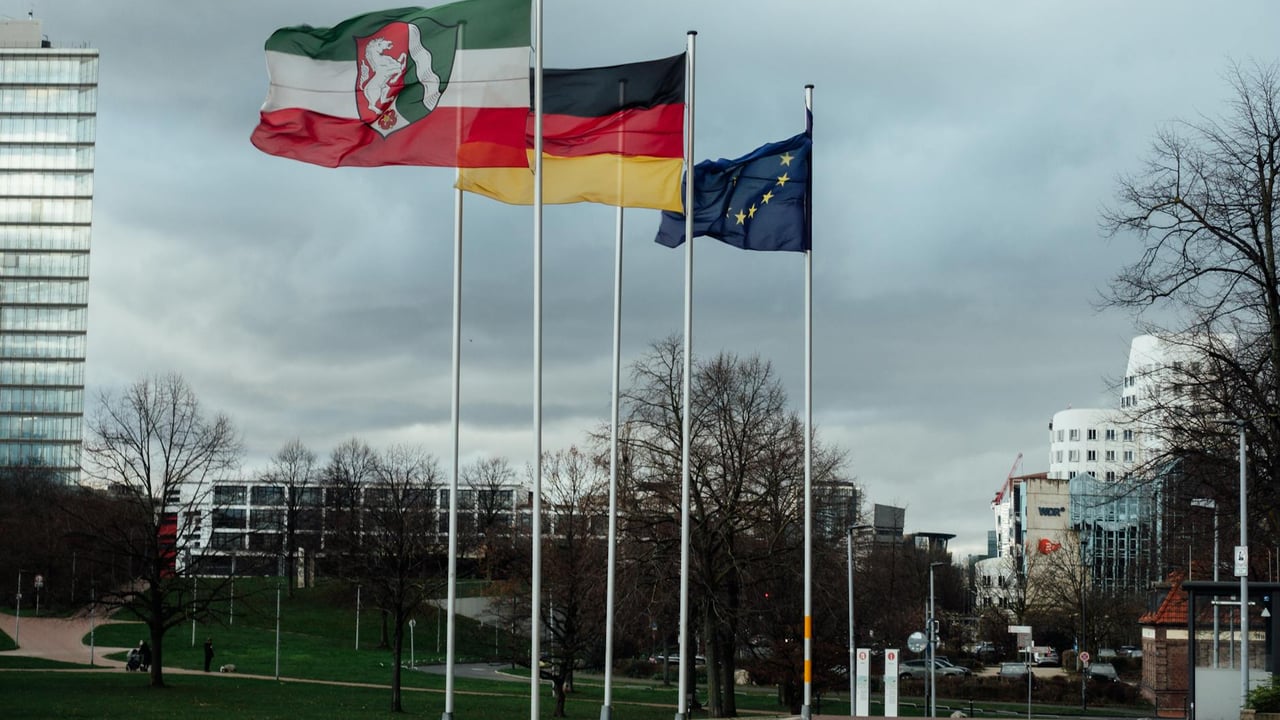
European and national flags in a Düsseldorf public space, showcasing modern architecture.

Key Takeaways

  • 1Defense Secretary Pete Hegseth ordered the removal of 5,000 U.S. military personnel from German soil.
  • 2The withdrawal process is scheduled to be completed within a 6 to 12-month timeframe.
  • 3Germany currently serves as the primary logistical hub for U.S. forces in Europe, hosting over 34,000 troops.
  • 4The move is seen as a fulfillment of 'America First' policy objectives regarding burden-sharing within NATO.
  • 5The decision raises urgent questions about the future of the U.S. security guarantee in Western Europe.

Editor's
Desk

Strategic Analysis

This troop withdrawal is less about military necessity and more about political signaling. By targeting Germany—the economic powerhouse of Europe—the Pentagon is effectively weaponizing the U.S. military presence to demand higher defense spending from Berlin. Historically, such moves have caused friction within NATO, as they appear to prioritize transactional diplomacy over collective deterrence. If this 5,000-person reduction is a precursor to larger withdrawals, we may be witnessing the most significant erosion of the Atlantic alliance since the end of the Cold War, forcing Europe into a rapid and perhaps chaotic pursuit of independent military capabilities.

China Daily Brief Editorial
Strategic Insight
China Daily Brief

The announcement by U.S. Defense Secretary Pete Hegseth to withdraw 5,000 troops from Germany marks a significant turning point in the post-war security architecture of Europe. While the Pentagon characterizes the move as a strategic realignment, it arrives amidst a climate of heightened tension between Washington and its European allies over defense expenditures and strategic autonomy.

Under the new directive, the reduction is slated for completion within a six-to-twelve-month window. This timeline suggests an accelerated effort to reshape the American military footprint on the continent, moving away from permanent stationary forces in traditional hubs. Germany has long served as the logistical heart of U.S. operations in Europe and Africa, hosting nearly 35,000 personnel.

For Berlin, the withdrawal is more than a logistical challenge; it is a symbolic blow to the 'Zeitenwende' or historic turning point in German security policy. As the U.S. demands greater burden-sharing, the sudden removal of personnel from bases like Ramstein or Stuttgart forces European leaders to reconsider their reliance on the American security umbrella. This shift potentially emboldens regional adversaries while straining the internal cohesion of the NATO alliance.

The broader geopolitical implications are stark, pointing to a U.S. administration increasingly focused on domestic priorities or a pivot toward the Indo-Pacific theater. By thinning the ranks in Western Europe, Washington signals a departure from the multi-generational commitment to a 'Europe whole and free.' The coming months will determine if this is a surgical streamlining or the beginning of a larger American retreat from the Atlanticist consensus.

Share Article

Related Articles

📰
No related articles found