A Continent Adrift: U.S. Troop Withdrawal from Germany Forces Europe’s Hand

NATO is seeking clarification from the United States regarding the withdrawal of 5,000 troops from Germany, a move that underscores shifting transatlantic priorities. The withdrawal, occurring against the backdrop of policy disputes over Iran, is accelerating European efforts to achieve defense self-sufficiency through significantly higher spending targets.

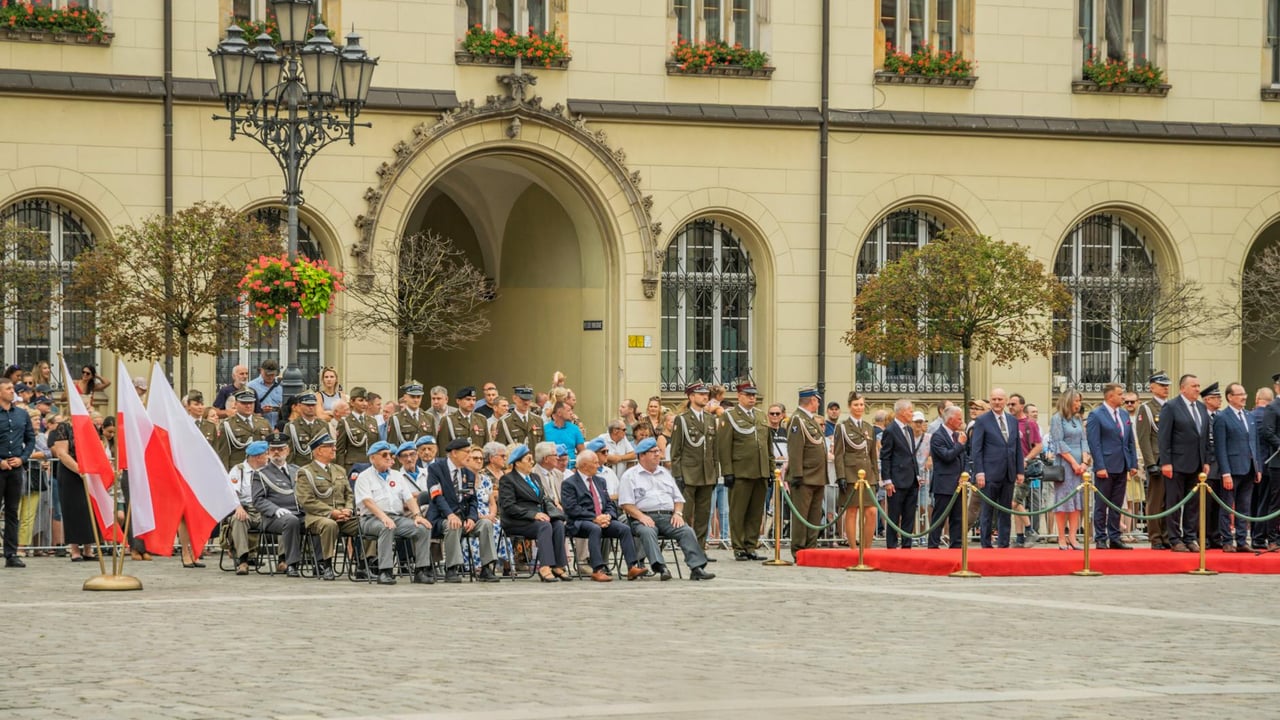
Polish military ceremony in Wrocław with flags and uniformed personnel.

Key Takeaways

  • 1The Pentagon plans to withdraw approximately 5,000 U.S. military personnel from Germany over the next 6 to 12 months.
  • 2NATO is currently coordinating with Washington to assess the impact of this withdrawal on collective deterrence and defense logistics.
  • 3German Defense Minister Boris Pistorius categorized the move as 'predictable' and called for Europe to take greater responsibility for its own security.
  • 4The withdrawal follows public disagreements between President Trump and European leaders over Iranian policy and alliance spending.
  • 5NATO members are currently working toward a revised defense spending target of 5% of GDP to compensate for the shifting U.S. posture.

Editor's
Desk

Strategic Analysis

The planned withdrawal of U.S. forces from Germany is the clearest indicator yet of a 'post-Atlanticist' era where American military presence is transactional rather than foundational. By pulling troops amid diplomatic friction over Iran, the Trump administration is signaling that security guarantees are contingent upon geopolitical alignment, a stance that undermines the core premise of Article 5. For Germany, this 'predictable' withdrawal is a catalyst for remilitarization that would have been politically unthinkable a decade ago. The success of this transition depends on whether the 5% GDP spending target—a massive fiscal leap—can be sustained by European economies without triggering domestic political unrest. Ultimately, this move may lead to a more fragmented NATO, where a European pillar operates with greater independence from, and perhaps in occasional opposition to, U.S. strategic preferences.

China Daily Brief Editorial
Strategic Insight
China Daily Brief

The announcement of a planned reduction of 5,000 U.S. troops from German soil marks a significant pivot in the transatlantic security relationship. While the Pentagon frames the move as a strategic realignment, the shift highlights a growing fissure between Washington and its European allies under the second Trump administration. NATO officials are now scrambling to secure the details of a plan that could redefine the alliance's footprint in Europe.

NATO spokesperson Allison Hart confirmed on May 2 that the alliance is working closely with U.S. authorities to understand the operational specifics of the withdrawal. The rhetoric coming out of Brussels suggests a stoic acceptance of the new reality, emphasizing that such adjustments necessitate a surge in European defense investment. This move is being interpreted as a direct challenge to the continent’s long-standing reliance on the American security umbrella.

German Defense Minister Boris Pistorius described the reduction as "predictable," signaling that Berlin has been preparing for a less committed Washington. Despite the diplomatic friction, Pistorius emphasized that Europe must now accelerate its path toward strategic autonomy. The shift is not just about numbers; it is about the political will of the European Union to shoulder the burden of its own regional security.

This military adjustment follows a series of high-profile disagreements between President Trump and European leaders, particularly regarding Middle Eastern policy and the approach to Iran. The tension reached a boiling point in late April when the White House publicly questioned the cost-effectiveness of the German presence. By linking troop levels to diplomatic alignment, the U.S. is fundamentally altering the nature of the NATO contract.

As NATO members push toward the ambitious defense spending target of 5% of GDP established at last year’s Hague summit, the pressure to modernize is immense. The Pentagon’s 6-to-12-month timeline for the withdrawal leaves little room for hesitation. Whether the alliance can maintain its deterrence capabilities during this transition will depend on how quickly Germany and its neighbors can translate spending into real-world military capacity.

Share Article

Related Articles

📰
No related articles found