Nuclear Brinkmanship: Tehran and Washington Trade Blows at UN Non-Proliferation Summit

The 11th NPT Review Conference opened with intense diplomatic friction as Iran and the U.S. exchanged accusations of treaty violations. Tehran defended its right to unrestricted uranium enrichment under IAEA supervision while slamming Washington's failure to disarm its own nuclear arsenal.

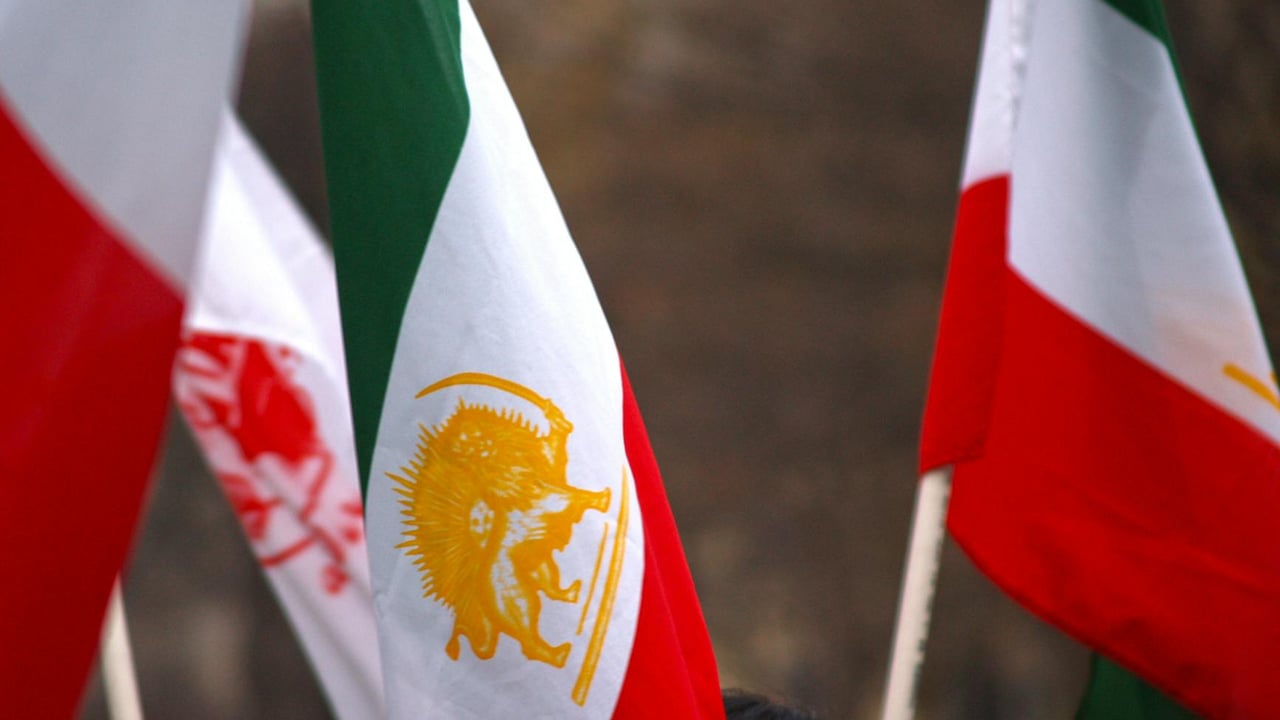
Close-up of Iranian flags waving outdoors in Washington, DC, showcasing cultural identity.

Key Takeaways

  • 1Iran asserts there are no legal limits on uranium enrichment levels as long as IAEA monitoring is maintained.
  • 2The Iranian mission accused the U.S. of violating NPT Articles I and VI regarding non-proliferation and disarmament duties.
  • 3The 11th NPT Review Conference in New York has become a primary stage for U.S.-Iran geopolitical tensions.
  • 4Both nations successfully blocked each other from holding vice-presidential roles at the conference.

Editor's
Desk

Strategic Analysis

The 11th NPT Review Conference arrives at a moment where the 'grand bargain' of the treaty—where non-nuclear states forgo weapons in exchange for peaceful technology and disarmament by nuclear powers—is under unprecedented strain. Iran’s strategy of leveraging the U.S.’s perceived lack of disarmament progress is a calculated move to deflect international pressure from its own enrichment activities. By framing the dispute within the legal ambiguities of IAEA oversight versus treaty obligations, Tehran aims to rally support from elements of the Global South where frustration with Western nuclear hegemony remains high. This procedural gridlock suggests that the future of nuclear governance will be increasingly defined by zero-sum geopolitical theater rather than technical or humanitarian consensus.

China Daily Brief Editorial
Strategic Insight
China Daily Brief

The 11th Review Conference of the Treaty on the Non-Proliferation of Nuclear Weapons (NPT) in New York has quickly devolved into a theater of diplomatic hostility. As delegates gathered at the United Nations headquarters, the longstanding friction between Iran and the United States surged to the forefront, casting a shadow over the global effort to strengthen the international nuclear order.

Tehran’s permanent mission to the UN issued a defiant statement, asserting that international law imposes no specific ceilings on uranium enrichment levels provided the activities remain under the watchful eye of the International Atomic Energy Agency (IAEA). This legal interpretation serves as a direct rebuttal to Western concerns over Iran’s escalating nuclear capabilities, framing the issue as one of sovereign rights rather than proliferation risk.

In a sharp rhetorical counter-offensive, Iranian officials characterized the United States as the world’s primary nuclear proliferator. By highlighting Washington’s arsenal of thousands of warheads, Tehran accused the U.S. of flagrantly violating Article I and Article VI of the NPT, which mandate nuclear non-proliferation and good-faith efforts toward total disarmament over the treaty's 56-year history.

The animosity extended beyond rhetoric into the procedural mechanics of the conference itself. Both nations actively campaigned against each other’s candidacy for the position of conference vice-president, effectively stalling administrative progress and signaling a total breakdown in diplomatic cooperation between the two powers.

Share Article

Related Articles

📰
No related articles found