
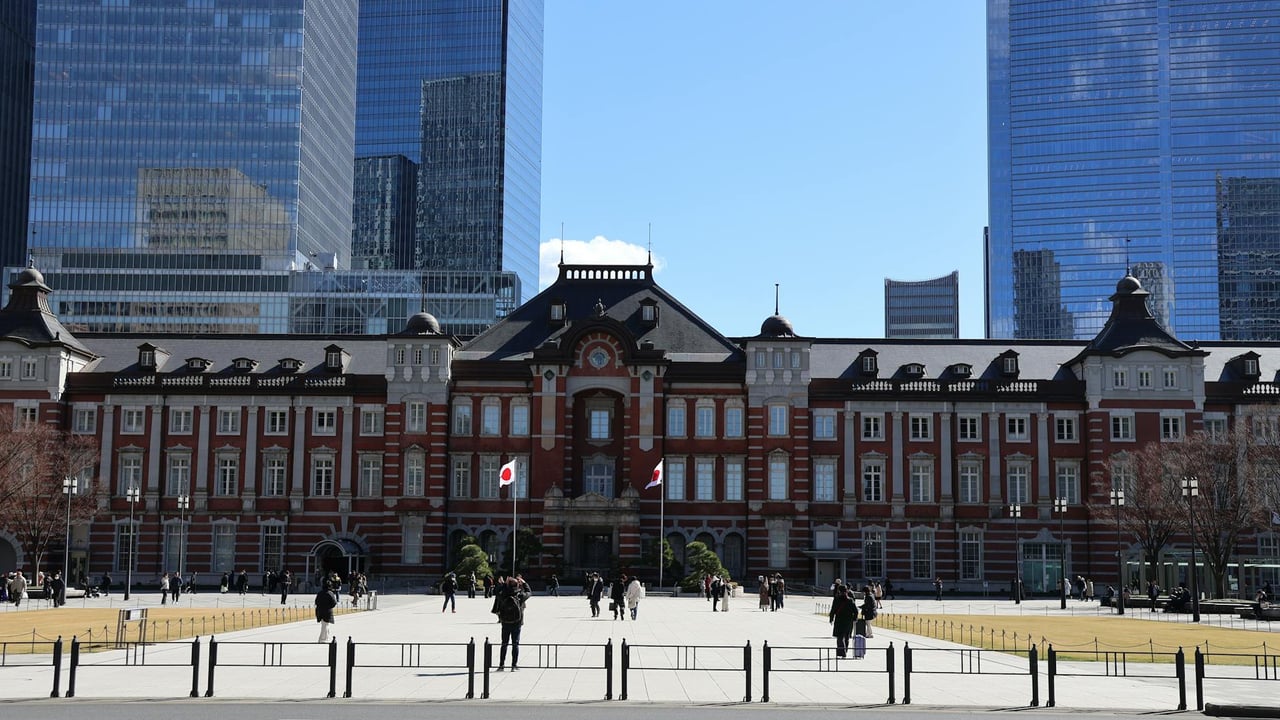

Eighty years after the first gavel fell at the International Military Tribunal for the Far East, the echoes of the Tokyo Trials continue to reverberate across the diplomatic landscape of East Asia. The Ichigaya Memorial Hall in Tokyo, once the stage for this legal reckoning, serves as a poignant reminder of a global effort to codify war crimes and hold the architects of aggression accountable. For Beijing, this anniversary is not merely a moment of historical reflection but a critical defense of the post-World War II international order.
The Tokyo Trials, which began in May 1946, established the legal and moral foundation for peace in the Pacific by adjudicating the actions of Japan’s wartime leadership. By classifying 'crimes against peace' and 'crimes against humanity,' the tribunal sought to ensure that the horrors of the preceding decade would never be repeated. Today, the preservation of these verdicts is viewed by China as a non-negotiable prerequisite for regional stability and a litmus test for Japan’s contemporary political sincerity.
Recent years have seen a sharpening of rhetoric as Beijing expresses growing concern over what it terms 'historical revisionism' within certain Japanese political circles. Efforts to reframe the narrative of the war or to downplay the tribunal’s findings are met with swift condemnation from Chinese state media and diplomats. To China, any attempt to 'overturn the verdict' of history is seen as a direct challenge to the legitimacy of the post-war settlement and a potential precursor to renewed militarism.
This commemorative milestone also serves a strategic purpose in China’s broader foreign policy, reinforcing its role as a primary victim of—and victor over—imperial aggression. By centering the Tokyo Trials in the public consciousness, Beijing effectively binds modern geopolitical disputes to a moral framework established eight decades ago. As the world navigates a period of profound uncertainty, the battle over historical memory remains a central pillar of the ideological contest in the Indo-Pacific.