A Divergence in London: The Widening Gap in 5G Patent Valuations

The UK High Court's $392 million ruling in the Samsung-ZTE patent dispute highlights a significant rift in how international courts value 5G intellectual property. While London favored historical benchmarks, courts in China and Germany have backed much higher valuations, signaling a complex future for global FRAND licensing negotiations.

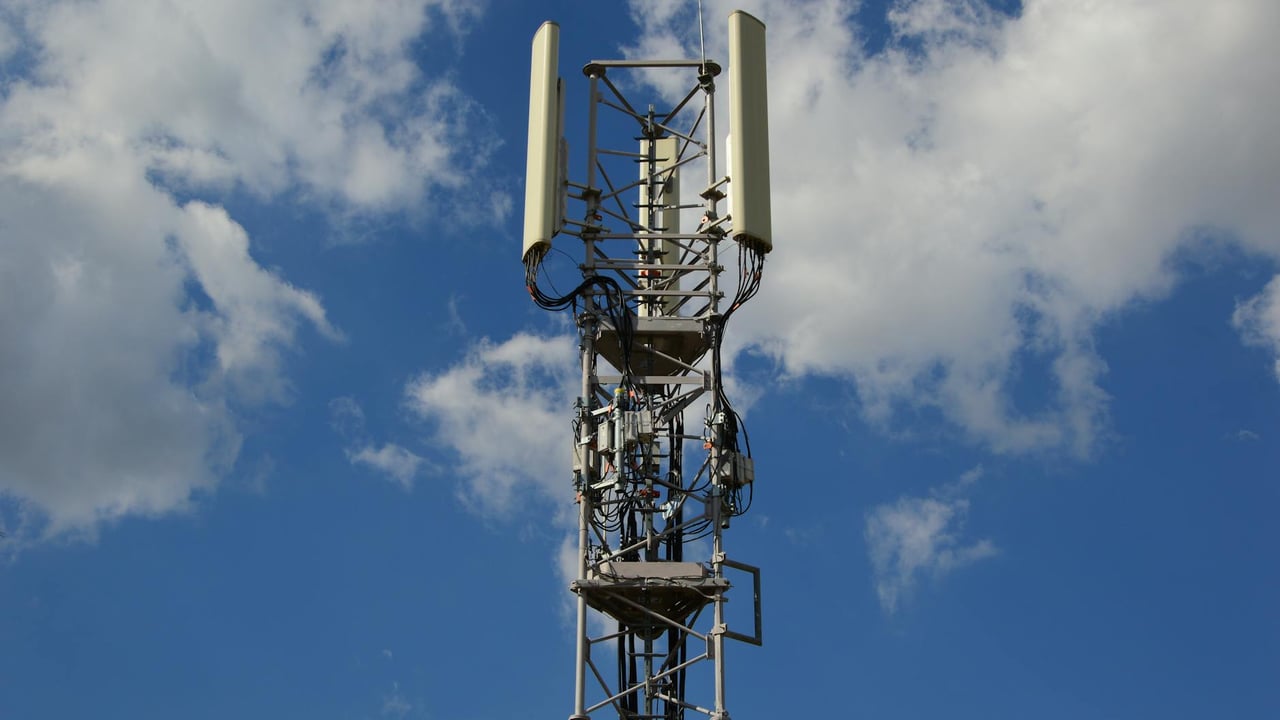
A tall cellular communication tower against a vivid blue sky, symbolizing modern technology.

Key Takeaways

  • 1The UK High Court awarded ZTE $392 million, roughly half of its $731 million demand.
  • 2Samsung had initially proposed a maximum payment of $200 million before the court intervention.
  • 3The ruling rejected the 'top-down' valuation methodology favored by German and Chinese courts.
  • 4Courts in Chongqing, Frankfurt, and Munich have recently supported ZTE’s higher valuation of its patent portfolio.
  • 5ZTE currently holds over 6,500 5G standard-essential patent families globally.

Editor's
Desk

Strategic Analysis

The London ruling underscores the intensifying 'jurisdictional arms race' between the UK, the EU, and China to become the world’s primary arbiter for technology licensing rates. By rejecting the top-down methodology used by German and Chinese courts, the UK High Court is asserting a more conservative, contract-heavy approach that favors implementers like Samsung. For Chinese firms, this highlights the strategic importance of 'home-court' litigation in specialized IP courts like Chongqing, where judicial recognition of 5G patent value aligns more closely with their significant R&D investments. This fragmentation of global FRAND rates could lead to more aggressive forum shopping and persistent legal stalemates between hardware manufacturers and patent holders.

China Daily Brief Editorial
Strategic Insight
China Daily Brief

The London High Court has ordered Samsung Electronics to pay ZTE $392 million for the use of its 5G patent portfolio, marking a pivotal moment in a multi-jurisdictional legal saga. While the figure exceeds Samsung’s initial offer of $200 million, it falls significantly short of the $731 million demanded by the Chinese telecommunications giant. This ruling underscores the friction between major device manufacturers and patent holders as they fight to define the financial landscape of the 5G era.

At the heart of the dispute is the valuation of Standard Essential Patents (SEPs) under Fair, Reasonable, and Non-Discriminatory (FRAND) terms. ZTE, which holds one of the world's largest 5G patent portfolios with over 6,500 patent families, argues that the UK court’s calculation fails to reflect the true market value of its intellectual property. The company maintains that its contributions to global wireless standards warrant a higher premium than Samsung was willing to provide.

The UK ruling is notable for its methodological isolation. Mr. Justice Meade relied strictly on "comparable agreements"—historical deals between the two companies—rather than the "top-down" approach frequently utilized by courts in Germany and China. This latter method calculates a company’s share of the total essential patent pool, a process that typically results in higher valuations for major patent holders like ZTE and Huawei.

This decision creates a stark jurisdictional contrast with recent findings in China. The Chongqing First Intermediate People’s Court recently upheld ZTE’s $731 million valuation as FRAND-compliant, aligning with earlier favorable rulings for ZTE in Frankfurt, Munich, and Brazil. This growing divide between Western and Chinese judicial systems may prompt a shift in where global technology firms choose to litigate future licensing disputes.

Share Article

Related Articles

📰
No related articles found