
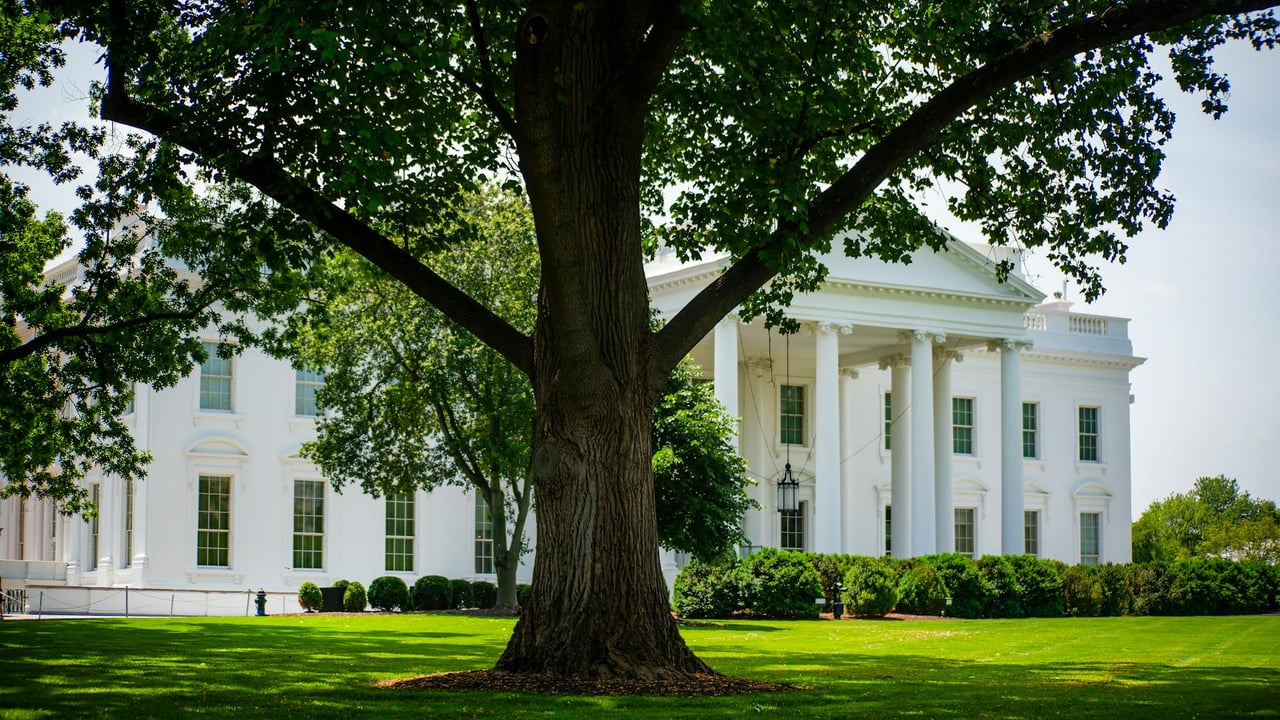

The delicate dance of diplomacy between Washington and Tehran has entered a familiar phase of high-stakes friction. In recent remarks from the White House, Donald Trump confirmed his rejection of Iran’s latest negotiation proposal, characterizing the offer as insufficient for American interests. While acknowledging that some progress has been made through direct telephonic communication, the President emphasized that the current terms fail to meet his administration's requirements for a lasting agreement.
This latest diplomatic package was reportedly funneled to the United States via Pakistan on April 30, acting as a critical backchannel in an otherwise fractured relationship. The use of Islamabad as an intermediary underscores the continuing reliance on regional proxies to bridge the gap between two adversaries that lack formal diplomatic ties. Despite the rejection, Trump’s rhetoric suggests a preference for a deal over conflict, though he remains steadfast in his demand for a 'proper' agreement that addresses broader U.S. concerns.
Simultaneously, the White House is signaling that the threat of force remains a primary component of its 'Maximum Pressure' strategy. Trump confirmed he has received a comprehensive briefing from the U.S. Central Command regarding updated military options in the region. This briefing, which included input from the Chairman of the Joint Chiefs of Staff and the Commander of CENTCOM, serves as a calculated display of readiness, intended to remind Tehran that the alternative to diplomacy is escalation.
The current standoff reflects a strategic dual-track approach where the prospect of military action is used as leverage to extract deeper concessions at the bargaining table. By publicly discussing military briefings while keeping the door to phone negotiations slightly ajar, the administration aims to keep the Iranian leadership off-balance. For now, the Middle East remains in a state of 'controlled tension,' where the path toward a comprehensive resolution remains obscured by mutual distrust and the threat of kinetic intervention.