
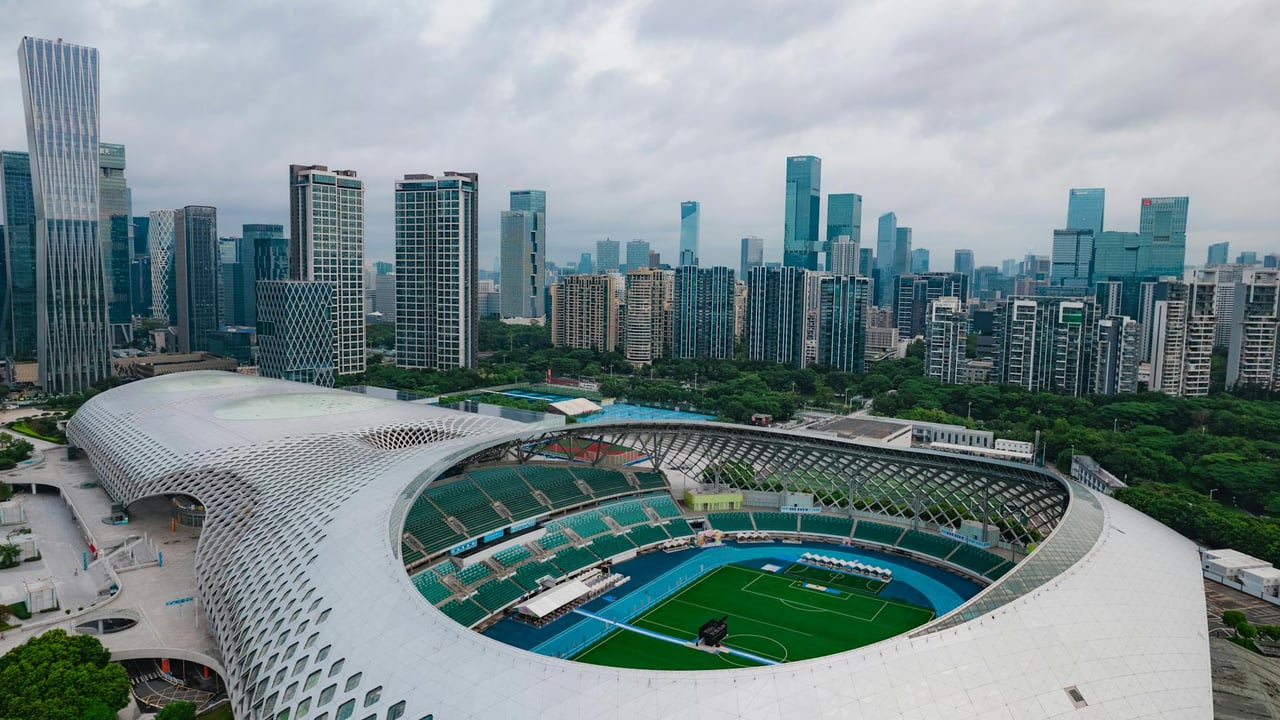

Shenzhen, the tech metropolis often viewed as the bellwether of the Chinese housing market, has significantly lowered the barriers to entry in its most prestigious districts. On the eve of the Labor Day holiday, municipal authorities announced a targeted relaxation of home-buying restrictions in the core areas of Futian, Nanshan, and Bao’an. This strategic move, coupled with enhanced financial support through the housing provident fund, aims to revitalize a sector that has faced prolonged cooling.
The immediate impact on the ground has been palpable, with real estate agencies reporting a dramatic uptick in activity. According to data from major brokerage Leyoujia, secondhand home signings surged by 114% on the first day of the holiday compared to the previous year. Similarly, Beike Research reported a 67% increase in transactions, suggesting that the policy change has successfully tapped into pent-up demand from buyers who were previously disqualified by stringent residency requirements.
Under the new rules, the social security requirement for non-local residents to purchase property in these prime areas has been slashed to just one year. Furthermore, local families are now permitted to purchase a third property, a significant departure from previous years of 'cooling' measures designed to prevent speculation. These adjustments signal a clear shift in priority toward stabilizing the market and encouraging high-quality asset acquisition in premium locations.
Financial incentives have bolstered the policy's reach, with maximum loans from the Housing Provident Fund seeing a substantial increase. For multi-child families or first-time buyers, the loan ceiling can now reach as high as 3.51 million yuan, providing necessary liquidity for the 'improvement' segment of the market. This financial easing is designed to bridge the gap for families looking to upgrade their living conditions in the city’s urban heart.
A notable trend following the announcement is the influx of out-of-town buyers from cities as far as Shenyang and Changsha, as well as interest from Hong Kong. These investors are increasingly viewing Shenzhen’s core residential units as safer havens compared to traditional financial products, citing rental yields of 3% to 4% in areas like Futian. The shift from commercial 'apartments' back to residential housing reflects a renewed confidence in the long-term value of property in China’s tier-one cities.
While the initial surge is promising, market analysts remain cautious about the long-term sustainability of this recovery. The current 'May Day' boom is partially driven by a concentrated release of demand and favorable holiday timing. The true test of the policy’s success will lie in whether transaction volumes can stabilize at these higher levels once the initial excitement of the regulatory pivot fades.