

Tehran has significantly raised the stakes in its ongoing confrontation with Washington by delivering a comprehensive 14-point peace proposal via Pakistani mediators. This latest diplomatic overture, aimed at a permanent resolution rather than a temporary pause, demands a total withdrawal of U.S. forces from the region and the payment of reparations for previous hostilities. The proposal serves as a counter-maneuver to a nine-point American plan that previously sought a two-month ceasefire.
While the United States pushed for an extended cooling-off period, Iranian officials are insisting on a condensed 30-day timeline to address all outstanding issues. Their demands are expansive, including the unfreezing of assets, the lifting of all economic sanctions, and the establishment of a new management framework for the Strait of Hormuz. This shift from tactical de-escalation to a demand for structural regional change highlights Tehran’s desire to capitalize on the current diplomatic window.
President Donald Trump has greeted the proposal with characteristic bluntness, signaling that the terms are likely “unacceptable” from a U.S. perspective. Speaking from Florida, Trump suggested that Iran had yet to pay a high enough price for its actions and even raised the possibility of renewed American air strikes. Despite this rhetoric, the White House has acknowledged that dialogue remains open and a fragile three-week ceasefire is currently holding on multiple fronts.
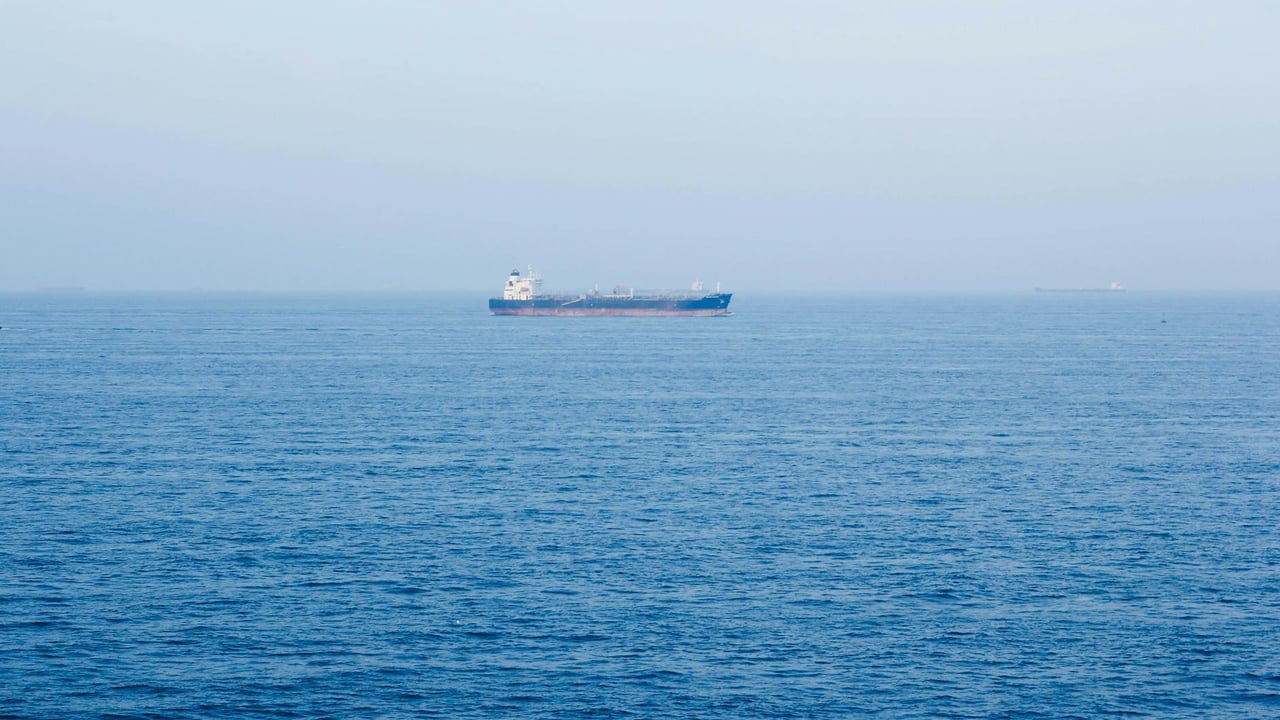
Simultaneously, the Iranian Parliament is moving to codify its maritime leverage through the proposed “Strait of Hormuz Management Law.” This legislation would effectively nationalize sovereignty over the world’s most critical oil chokepoint, imposing a permanent ban on Israeli-linked vessels. Furthermore, it seeks to levy “war reparations” on ships from designated hostile nations, a move clearly aimed at the United States and its allies.
This legislative push, involving 12 key points of maritime control, aims to force international recognition of Iranian authority over the Persian Gulf’s entry point. By requiring all passing vessels to obtain Iranian authorization and potentially pay fees in the local rial currency, Tehran is creating a secondary front of economic warfare. The dual-track strategy of offering a peace plan while threatening global energy stability represents a sophisticated attempt to force a favorable settlement.