
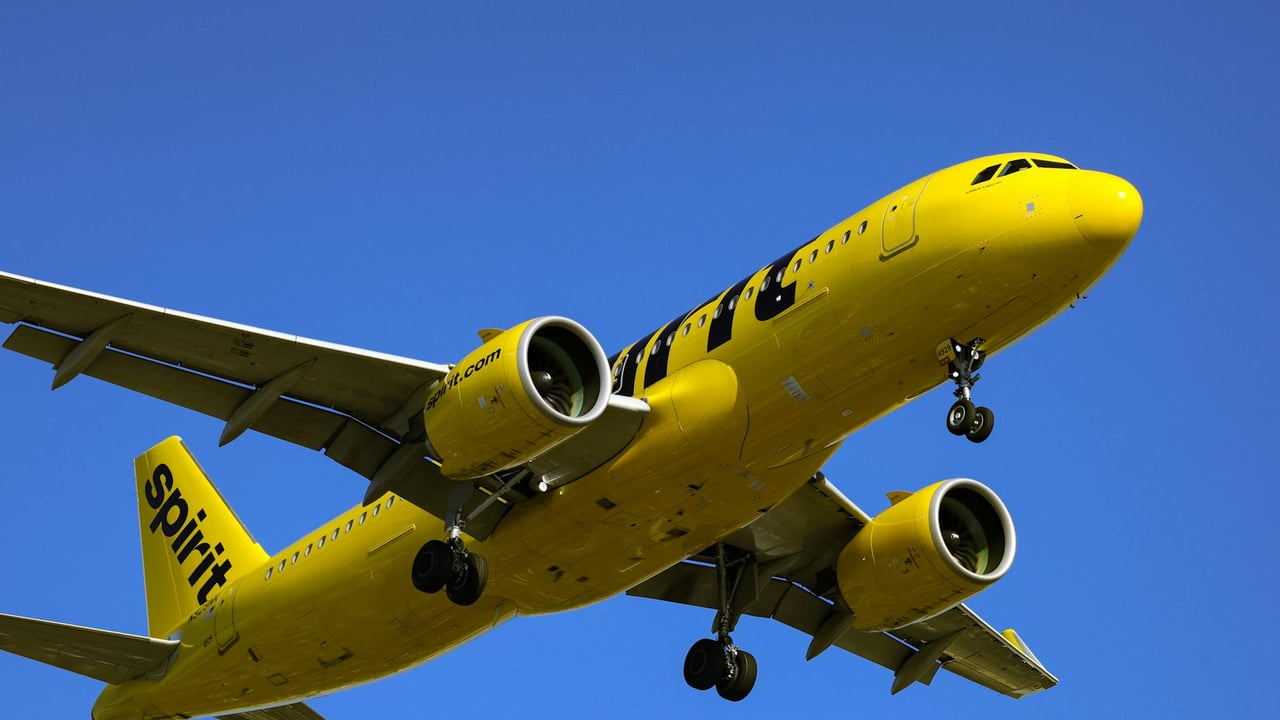

The sudden grounding of Spirit Airlines on May 2nd marks a significant casualty in the escalating economic fallout from the Middle East conflict. What began as military strikes involving the United States, Israel, and Iran has transformed into a "boomerang" effect, hitting the American domestic economy where it hurts most: the travel sector. Spirit, a pioneer of the ultra-low-cost model, announced it would cease operations immediately following a final, unsuccessful board meeting.
Despite years of restructuring and two previous bankruptcy filings, the airline’s financial projections proved too optimistic to withstand the shock of jet fuel prices doubling in less than a month. The company’s 2026 recovery plan was predicated on fuel costs remaining near $2.24 per gallon. However, as maritime traffic through the Strait of Hormuz faced severe disruptions, prices surged to $4.51 per gallon, effectively severing Spirit's remaining lifelines.
Political intervention failed to provide a safety net before the final collapse. While Transportation Secretary Sean Duffy reportedly sought a private-sector white knight to acquire the carrier, no major airlines were willing to absorb Spirit's liabilities amidst such volatile market conditions. The failure of these talks left the board with no viable path forward other than a total cessation of service.
A controversial last-minute rescue package proposed by Donald Trump also fell through. The plan offered a $500 million lifeline in exchange for a 90% equity stake, but it faced stiff resistance from Republican lawmakers and the airline’s own creditors. Ultimately, the opposition from debt holders who preferred liquidation over the proposed terms sealed the company's fate.
The closure leaves thousands of employees jobless and removes more than 4,000 scheduled flights from the U.S. market in the first half of May alone. With Spirit out of the picture, industry analysts warn that reduced competition will inevitably lead to higher airfares for American travelers during the peak summer season. This collapse may be the first of many as the broader aviation industry grapples with the rising costs of energy insecurity.