
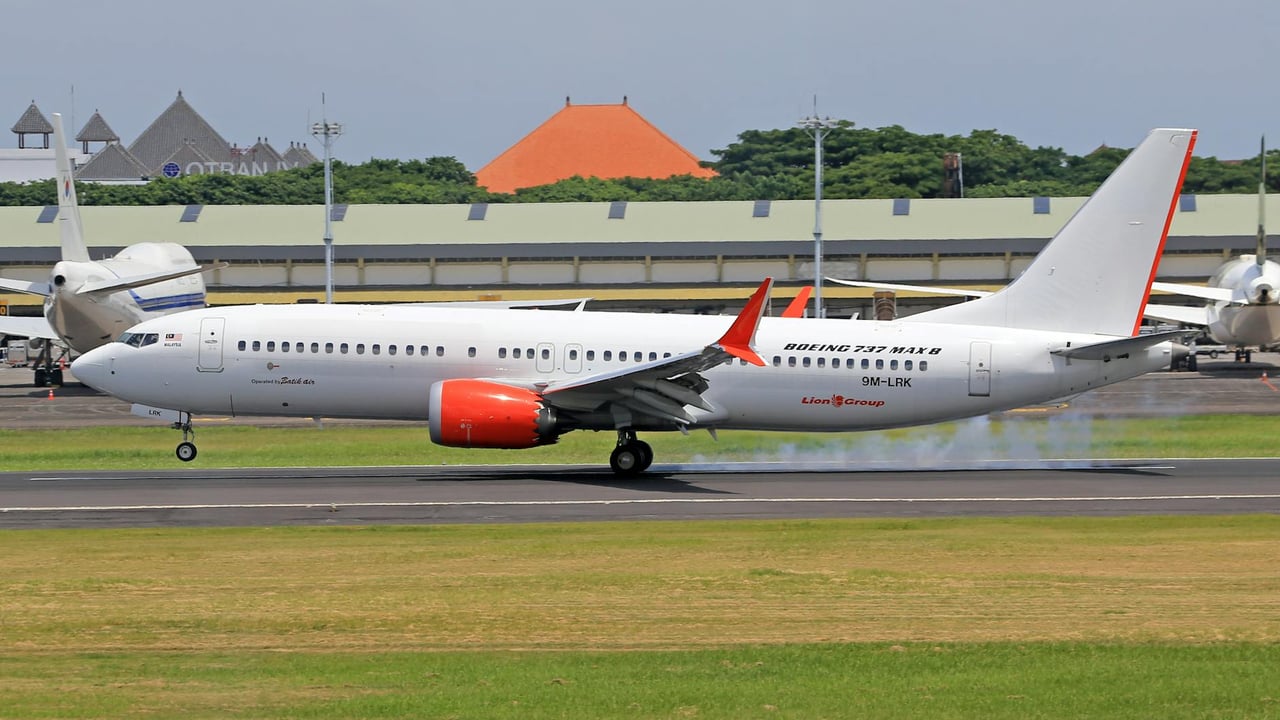

Egypt’s national carrier, EgyptAir, has officially entered a new era of narrow-body operations with the delivery of its first Boeing 737 MAX aircraft. The delivery, confirmed by Boeing on May 3, represents a significant step in the airline’s broader strategy to modernize its fleet and optimize fuel efficiency across its regional and medium-haul networks. This first aircraft is part of a larger commitment to integrate the MAX family into its operations, signaling a continued reliance on Boeing’s single-aisle workhorse.
The acquisition comes at a pivotal time for EgyptAir as it seeks to maintain its competitive edge against rising Gulf carriers and low-cost competitors in the North African market. By adopting the 737 MAX, the airline aims to leverage the model’s superior range and 20% reduction in fuel consumption compared to the older 737-800s that currently form the backbone of its short-haul fleet. This shift is essential for the carrier’s goal of achieving operational sustainability and cost-effectiveness in a volatile energy market.
For Boeing, the delivery to a high-profile state carrier in the Middle East and Africa (MENA) region provides a much-needed boost to the 737 MAX program’s reputation. Despite historical challenges with the aircraft's grounding and recent production quality concerns in the United States, the MAX remains a central pillar of global aviation. EgyptAir’s delivery suggests that major international players still view the airframe as the most viable path toward capacity growth and environmental compliance.
This delivery is also a testament to the complex financing structures powering modern aviation expansion. EgyptAir previously finalized an agreement at the Dubai Airshow to lease 18 Boeing 737-8 aircraft from Air Lease Corporation (ALC), highlighting a preference for leasing over direct ownership to preserve capital. As the airline anticipates the arrival of the remaining units, the focus will shift to crew training and network expansion to fully utilize the aircraft's extended reach into Europe and sub-Saharan Africa.