
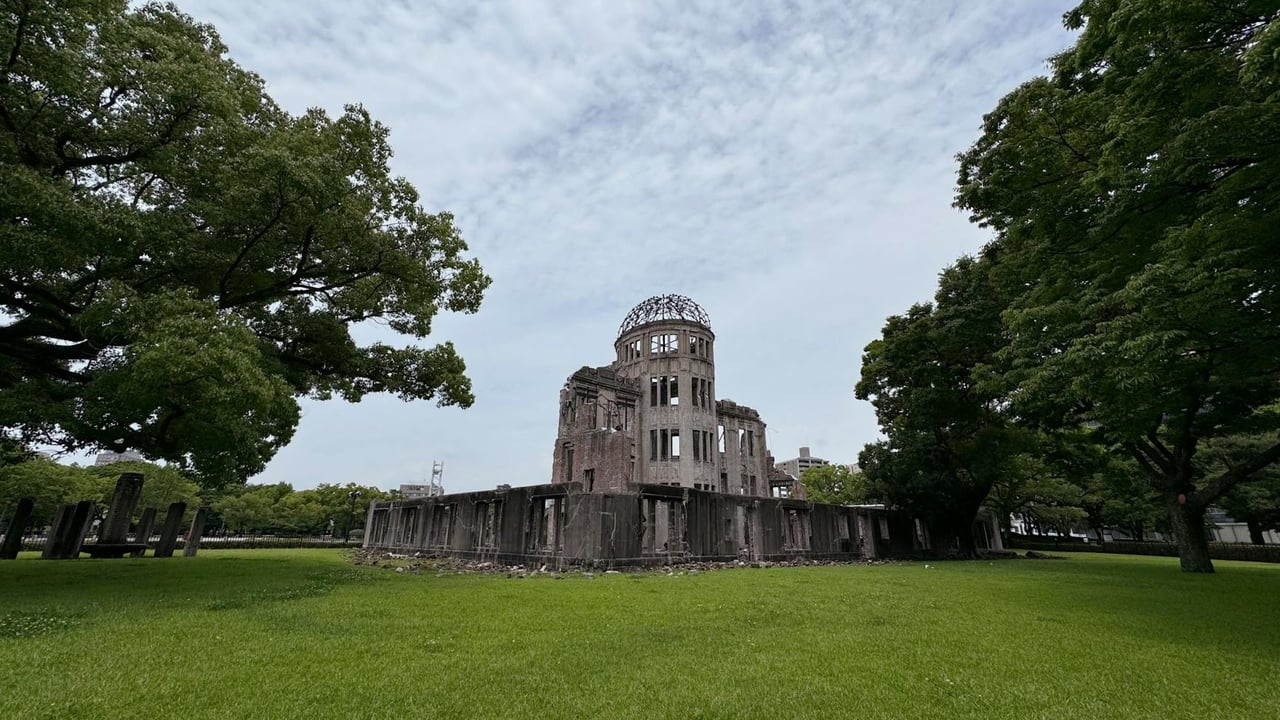

Eighty years ago today, the International Military Tribunal for the Far East commenced its proceedings in Tokyo, marking a pivotal moment in the establishment of the post-World War II international order. For China, the trials represented more than a legal accounting of atrocities; they were a hard-won affirmation of national sovereignty and a quest for moral closure after a decade of devastating conflict.
At the heart of the Chinese delegation sat Mei Ru’ao, a judge whose presence symbolized the nation's transition from a victim of imperial aggression to a stakeholder in global governance. The trials, which lasted until 1948, meticulously documented the crimes of the Japanese military, cementing a historical record that Beijing continues to protect with vigor against any perceived revisionism.
In the present day, these anniversaries are not merely historical footnotes but central pillars of China's domestic and foreign policy narratives. The recent 80th-anniversary commemorations of the war’s end in Beijing, complete with symbolic releases of doves and high-level speeches, serve to remind the global community of the heavy price China paid for its seat at the table of the United Nations.
By framing the Tokyo Trials as a 'just trial,' Beijing reinforces its identity as a defender of the post-war order. In an era of shifting geopolitical alliances in the Indo-Pacific, these historical reminders serve a dual purpose: they bolster national pride and act as a strategic warning against the normalization of military expansionism elsewhere in the region.