
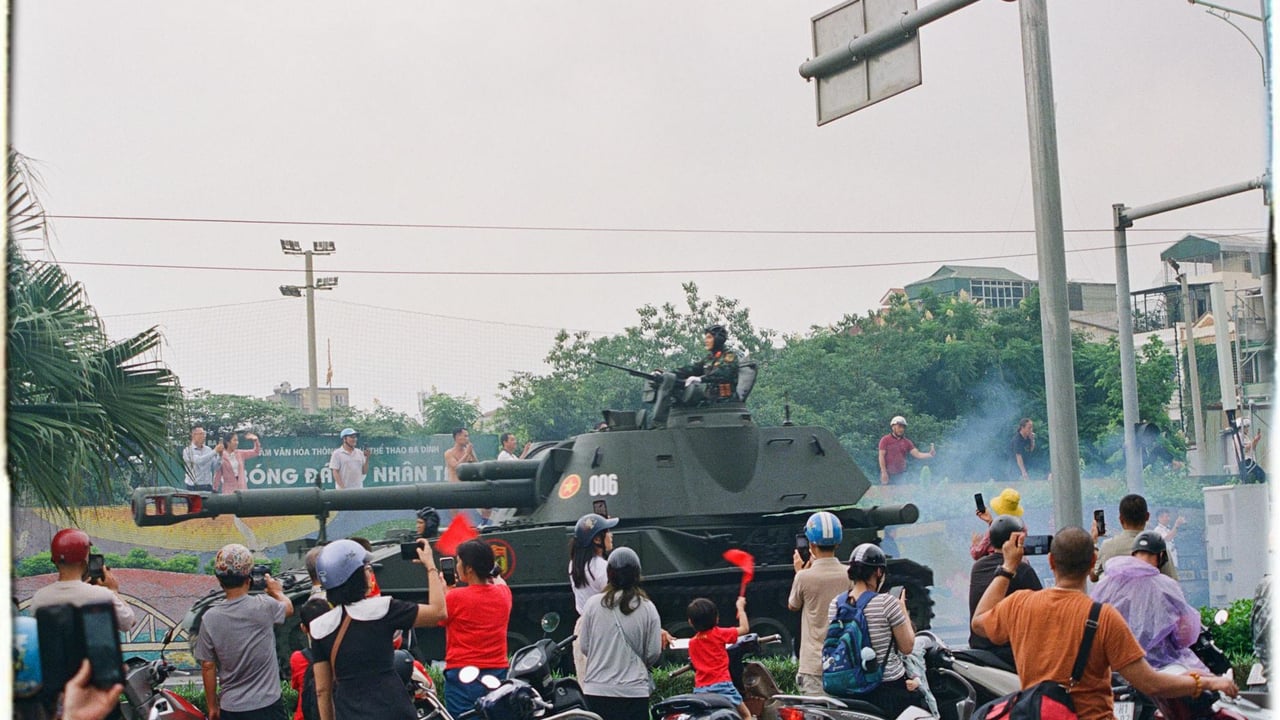

As China’s Labor Day holiday unfolds, the traditional focus on travel and consumption is increasingly being shared with a coordinated campaign of 'military-civilian' engagement. Reports from the China Military Network highlight a diverse array of activities designed to bridge the gap between the People’s Liberation Army (PLA) and the general public, transforming a period of rest into a strategic window for patriotic education.
These initiatives, often categorized under the 'Jun-Di' (Military-Local) framework, range from open-house events at local garrisons to collaborative cultural performances that emphasize the military’s role as the protector of national prosperity. By integrating military themes into the 'Golden Week' festivities, the Chinese leadership is effectively leveraging the high-mobility holiday period to reinforce ideological alignment and nationalistic sentiment across diverse demographics.
In urban centers and rural outposts alike, the PLA has synchronized with local governments to host exhibitions of modern equipment and 'Red Tourism' excursions. This visibility is not merely ceremonial; it serves as a sophisticated recruitment tool and a means of normalizing a military presence in daily civilian life. The emphasis on 'colorful' and 'diverse' activities masks a deeper objective: ensuring the 'Great Wall of Steel' remains rooted in the support of the populace.
This trend reflects the broader 'Military-Civilian Fusion' strategy, which has moved beyond industrial and technological sectors into the cultural and social fabric of the nation. By making the military accessible during the country’s most significant holidays, Beijing is fostering a culture of 'Double Support'—the military supporting the people, and the people supporting the military—which is vital for maintaining domestic stability and operational readiness in an increasingly complex geopolitical environment.