
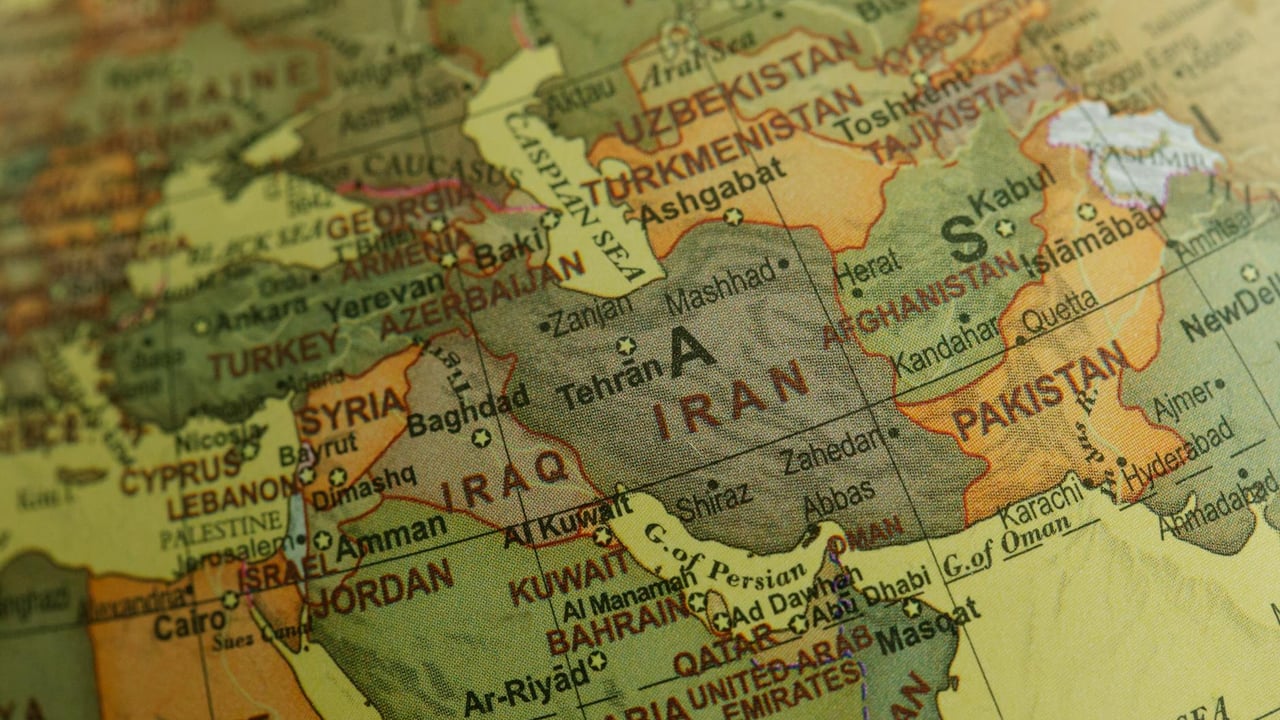

Two months into a devastating military escalation involving the United States, Israel, and Iran, the strategic balance sheet is defined not by victory, but by a cascading series of failures. According to a recent assessment by Melanie Sisson, a senior fellow at the Brookings Institution, the conflict has rapidly transformed into a geopolitical quagmire where nearly every stakeholder is emerging as a loser. What began as a targeted effort has spiraled into a systemic shock affecting global trade, domestic politics, and regional stability.
In Iran, the humanitarian and economic toll is catastrophic. Systematic strikes against both military and civilian infrastructure have left the nation’s economy in ruins, characterized by soaring unemployment and deepening poverty. Beyond the immediate death toll, the destruction of critical utilities has crippled the daily lives of millions, creating a long-term developmental setback that will take decades to rectify.
The United States is finding that military engagement abroad carries a heavy price tag at home. The conflict has acted as a punitive tax on American consumers, with annual inflation jumping from 2.4% in February to 3.3% in March. As gas prices and travel costs surge, consumer confidence has plummeted, creating a political liability for President Trump, whose domestic approval ratings are sliding as the conflict drags on.
Israel’s pursuit of security has, paradoxically, led to greater vulnerability. The northern frontier remains a flashpoint as threats from Hezbollah’s rockets and drones intensify, forcing large-scale displacements. Furthermore, the expansion of the conflict into Lebanon has resulted in over 2,500 deaths since early March, proving that tactical military successes do not necessarily translate into a more stable regional environment.
Global markets are perhaps the most sensitive barometer of this crisis. The continued disruption of shipping in the Strait of Hormuz has choked the primary export routes for Iraq, Qatar, and Kuwait, leading the IMF to slash growth forecasts for the region. The ripples are felt as far as Latin America and Africa, where rising energy and food prices are straining already fragile economies, underscoring the reality that in modern warfare, there is no such thing as a localized conflict.