
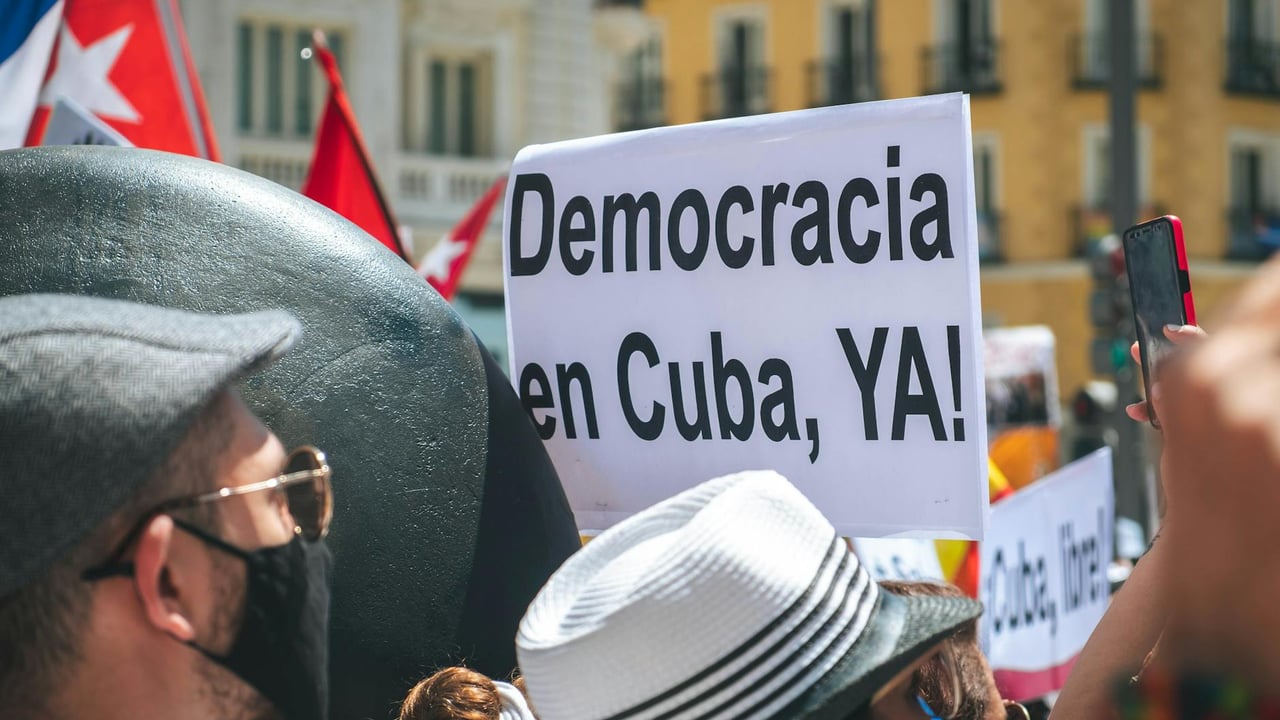

The geopolitical landscape of the Western Hemisphere has been thrust into a state of high alarm following a series of provocative statements from Washington. President Donald Trump’s recent executive order to ramp up sanctions on Cuba, coupled with a blunt threat of military intervention, has shattered the fragile status quo in the Caribbean. By framing Cuba as a primary threat to U.S. national security and suggesting a military 'takeover' following engagements in the Middle East, the administration has signaled a return to a more aggressive, interventionist regional policy.
In Bogotá, the response was swift and uncompromising. Colombian President Gustavo Petro has emerged as the leading voice of regional dissent, characterizing any potential military action against Havana as an act of aggression against the entirety of Latin America. Petro’s rhetoric emphasizes the Caribbean as a 'zone of peace,' a concept that stands in direct opposition to the renewed bellicosity emanating from the White House. This clash marks a significant deterioration in relations between Washington and one of its historically closest, albeit currently estranged, regional partners.
Petro’s staunch defense of Cuban sovereignty is not merely a gesture of ideological solidarity but a calculated effort to preserve regional stability. He argues that the internal affairs of Cuba belong solely to its citizens, warning that peace in the Americas is contingent upon the absence of external coercion. This stance reflects a broader sentiment among several Latin American nations that fear a resurgence of 20th-century style hegemony and the destabilizing effects of foreign-led regime changes.
The timing of Trump’s threats, linked to the conclusion of military operations elsewhere, suggests a strategic pivot toward 'cleaning up' the U.S. sphere of influence. However, such a move risks alienating critical allies and pushing regional powers closer to extra-hemispheric rivals like China and Russia. As the rhetorical battle intensifies, the international community is watching closely to see if this represents a genuine shift toward military action or a high-stakes gambit in a broader pressure campaign.