A Fourteen-Point Non-Starter: Trump Rebuffs Tehran’s Maximalist Peace Overture

President Donald Trump has expressed profound skepticism over a 14-point peace proposal from Iran that demands U.S. withdrawal from the Middle East and reparations. Delivered via Pakistan, the framework sets rigid 'red lines' that Washington suggests are fundamentally unacceptable for any future resolution.

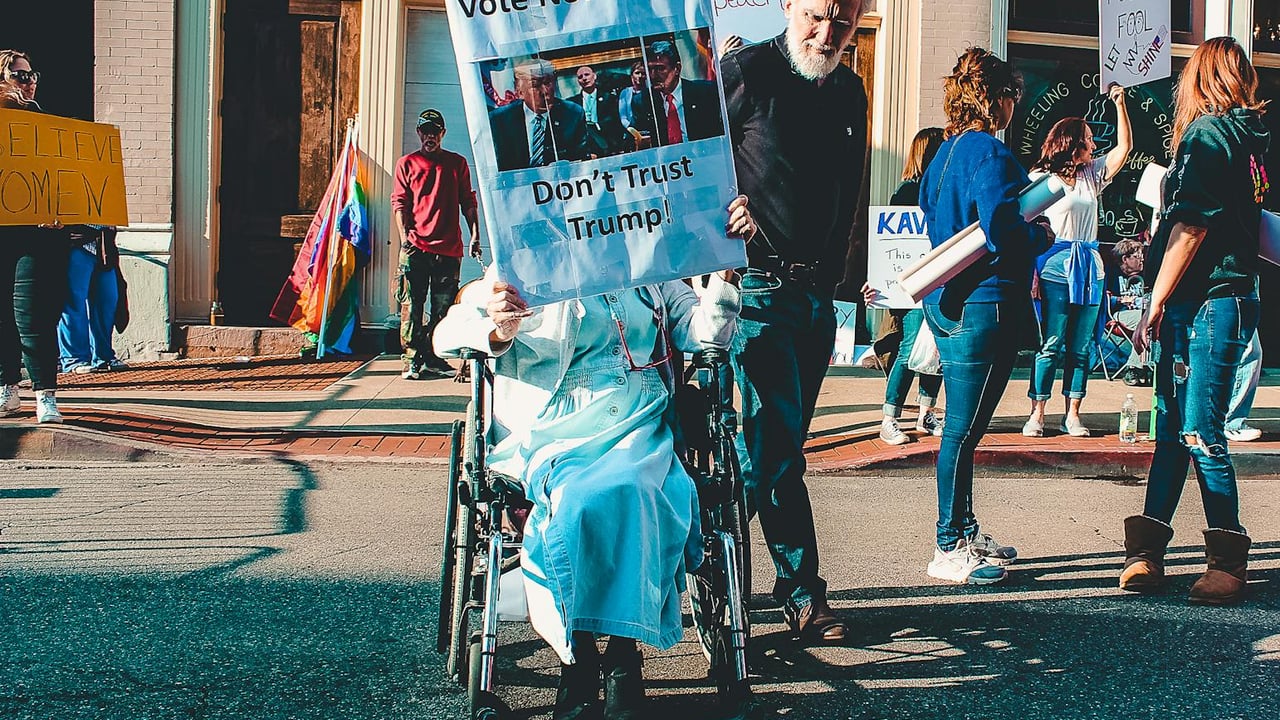
A diverse group of people protesting outdoors with signs and banners in a vibrant street scene.

Key Takeaways

  • 1Iran submitted a 14-point 'conceptual framework' for ending the conflict via Pakistani mediators.
  • 2Demands include the full withdrawal of U.S. forces from the region and the lifting of maritime blockades.
  • 3The proposal insists on the unfreezing of assets, payment of reparations, and a new management mechanism for the Strait of Hormuz.
  • 4President Trump has stated it is 'hard to imagine' the proposal being accepted, citing doubts about its feasibility.
  • 5The framework explicitly ties a ceasefire to 'all fronts,' including the conflict in Lebanon.

Editor's
Desk

Strategic Analysis

The 2026 Iranian proposal represents a classic 'maximalist' opening gambit in high-stakes diplomacy, but its inclusion of reparations and total military withdrawal makes it a political impossibility for the Trump administration. By framing the conflict as a 'forced war,' Tehran is attempting to position itself as the aggrieved party to domestic and non-Western audiences. The use of Pakistan as a mediator is a strategic choice, leveraging a traditional U.S. ally to lend weight to a proposal that otherwise lacks credibility in Washington. Ultimately, these 14 points appear less like a serious negotiation and more like a public relations maneuver to blame the U.S. for the continued lack of a diplomatic breakthrough.

China Daily Brief Editorial
Strategic Insight
China Daily Brief

As the calendar turns to May 2026, the geopolitical landscape remains tethered to the volatile friction between Washington and Tehran. U.S. President Donald Trump has officially acknowledged receipt of a 'conceptual framework' for peace, a 14-point proposal delivered by Iran through Pakistani intermediaries. While the document ostensibly aims to end active hostilities, its reception in the Oval Office has been icy at best, with Trump expressing deep skepticism regarding its viability.

The proposal, which Tehran describes as a definitive roadmap to end a 'forced war,' demands a wholesale retreat of American influence from the Middle East. Central to the 14 points are requirements for the total withdrawal of U.S. forces from Iran’s periphery, the lifting of all maritime blockades, and the unfreezing of billions in Iranian assets. Furthermore, the framework insists on U.S.-paid reparations and a new management regime for the Strait of Hormuz, one of the world's most critical oil chokepoints.

Trump’s initial assessment suggests that the proposal is essentially dead on arrival. In statements made on May 2, the President indicated that while he would review the details, it is 'hard to imagine' such terms being accepted by the United States. The administration views the demand for reparations and regional withdrawal not as a diplomatic olive branch, but as a set of 'red lines' designed to test American resolve rather than find common ground.

Regional dynamics are further complicated by the role of Pakistan as the primary conduit for these negotiations. Islamabad’s involvement underscores the shifting alliances in South Asia and the desperation of regional powers to prevent a full-scale conflagration. However, by including demands for peace on 'all fronts'—specifically mentioning Lebanon—Iran is signaling that its proxy network remains a non-negotiable component of its regional security architecture.

Share Article

Related Articles

📰
No related articles found