Europe’s Hard Pivot: NATO Braces for US Troop Withdrawal from Germany

NATO and Germany are preparing for the withdrawal of 5,000 U.S. troops, a move seen as a catalyst for European strategic autonomy. Amid policy rifts over Iran, the alliance is pivoting toward a massive 5% GDP defense spending target to maintain deterrence without relying solely on American boots on the ground.

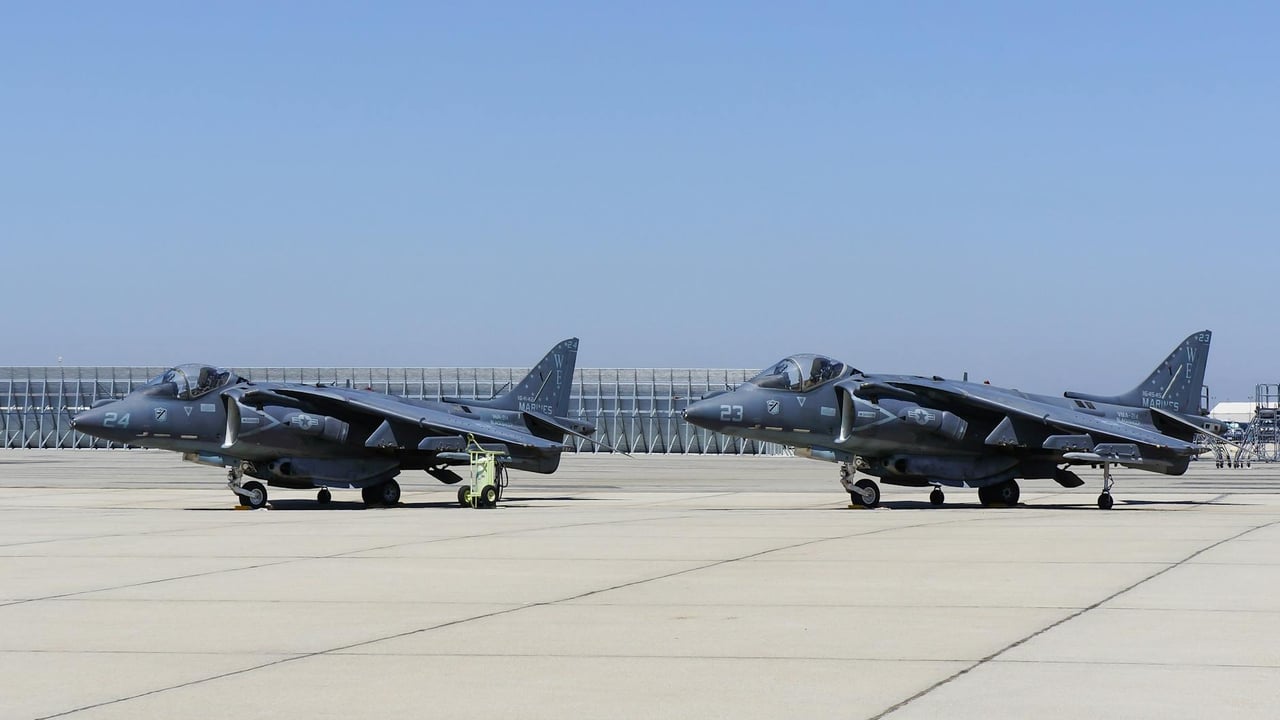
Fighter jets on the tarmac at March Air Reserve Base in California under a clear sky.

Key Takeaways

  • 1The Pentagon plans to withdraw 5,000 military personnel from Germany within 6 to 12 months.
  • 2NATO is seeking specific details on the withdrawal to manage the transition of collective defense responsibilities.
  • 3German Defense Minister Boris Pistorius called the move 'predictable' and urged Europe to take charge of its own security.
  • 4NATO members have reportedly agreed to a record-breaking defense spending target of 5% of GDP.
  • 5Underlying tensions regarding Iran policy between the U.S. and Germany are cited as a primary driver for the diplomatic friction.

Editor's
Desk

Strategic Analysis

The projected withdrawal of 5,000 U.S. troops from Germany represents more than just a logistical shift; it is a symbolic rupture in the 'pax Americana' that has anchored European security for decades. By labeling the move as 'predictable,' German leadership is signaling a departure from the reactive anxiety of the past toward a more sober, perhaps even defiant, strategic autonomy. The mention of a 5% GDP defense spending target—more than double the previous 2% 'Wales Pledge'—suggests that NATO is moving toward a semi-permanent war footing or preparing for a future where the U.S. security guarantee is no longer the primary deterrent. This trajectory will likely lead to a more fragmented but militarized Europe, where Berlin and Paris are forced to lead a continental defense union that operates independently of Washington’s domestic political volatility.

China Daily Brief Editorial
Strategic Insight
China Daily Brief

NATO is seeking urgent clarification from Washington following the Pentagon’s announcement to pull approximately 5,000 troops from German soil. NATO spokesperson Alison Hart emphasized that this recalibration underscores the unavoidable necessity for Europe to bolster its own defense investments and assume greater responsibility for collective security. The adjustment signals a significant shift in the transatlantic security architecture that has defined the post-war era.

The move follows a period of heightened diplomatic friction between Washington and Berlin, particularly regarding diverging policies toward Iran. President Trump’s recent social media signaling, followed by a formal Pentagon timeline of six to twelve months for the withdrawal, has transformed long-standing threats of a drawdown into a concrete operational plan. This development forces a re-evaluation of the American military footprint in Europe at a time of high regional tension.

German Defense Minister Boris Pistorius characterized the reduction as predictable, suggesting that Berlin has been quietly preparing for a thinning of the American security umbrella. Rather than expressing alarm, Pistorius leveraged the news to advocate for a more self-reliant European defense posture. He stressed that the Continent must finally bridge the gap between its economic power and its military capabilities to ensure long-term stability.

This strategic shift arrives as NATO members strive to meet an ambitious new defense spending benchmark of 5% of GDP—a target reportedly established at a recent summit in The Hague. While this figure is significantly higher than previous goals, NATO officials express confidence that these increased commitments will sustain the alliance's deterrence capabilities. The withdrawal serves as a catalyst, accelerating the transition of European states from security consumers to active security providers.

Share Article

Related Articles

📰
No related articles found