The Islamabad Conduit: Tehran Dispatches New Diplomatic Blueprint to Washington

Iran has submitted a new negotiation proposal to the United States via Pakistani mediators, aimed at resolving the multi-faceted conflict involving Israel. While Tehran reaffirms its commitment to diplomacy, it insists that a breakthrough depends entirely on the U.S. shifting its policy and respecting Iranian sovereignty.

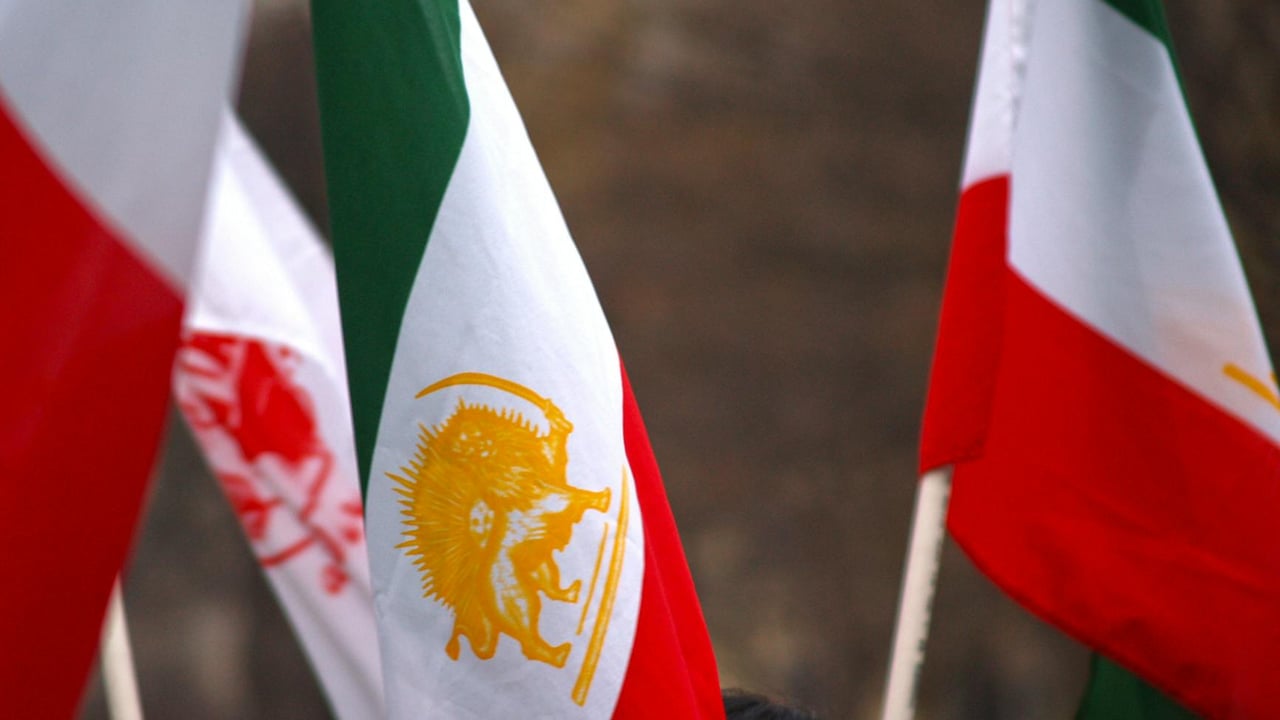
Close-up of Iranian flags waving outdoors in Washington, DC, showcasing cultural identity.

Key Takeaways

  • 1Iran has delivered a new diplomatic proposal to the U.S. through Pakistan to address the Iran-Israel-US conflict.
  • 2Pakistan is confirmed as the primary mediator in this process, with no signs of Tehran seeking alternative channels.
  • 3The Iranian Ambassador emphasized that diplomacy remains the preferred path despite ongoing military readiness.
  • 4Tehran demands a cessation of 'aggressive' U.S. behavior and respect for its rights as a prerequisite for any breakthrough.

Editor's
Desk

Strategic Analysis

This development highlights Pakistan's evolving role as a critical 'silent partner' in Middle Eastern stability, filling a niche that often eludes Arab intermediaries. By channeling the proposal through Islamabad, Iran is likely attempting to diversify its diplomatic leverage and avoid the baggage associated with the stalled JCPOA frameworks. The emphasis on 'changing U.S. behavior' serves as a strategic hedge; it allows Tehran to appear proactive in seeking peace while placing the political cost of failure squarely on the Biden administration. If Washington engages, it could signal a shift toward regional containment rather than direct confrontation; if it ignores the overture, Iran will use the rejection to justify further escalations in its 'defensive' sphere.

China Daily Brief Editorial
Strategic Insight
China Daily Brief

The Islamic Republic of Iran has signaled a renewed appetite for back-channel diplomacy, dispatching a fresh negotiation framework to Washington through its traditional yet increasingly pivotal intermediary: Islamabad. Iranian Ambassador to Pakistan, Reza Amiri Moghaddam, confirmed that the proposal—intended to de-escalate the volatile friction between Tehran, Tel Aviv, and Washington—has already been relayed to American officials via Pakistani channels.

By utilizing Pakistan as the primary conduit, Tehran underscores its preference for regional mediation at a time when traditional Gulf intermediaries face their own sets of geopolitical pressures. Ambassador Moghaddam emphasized that Iran has no intention of seeking alternative mediators, reaffirming Islamabad's role as a trusted bridge between the two long-standing adversaries. This move suggests a strategic calculation to maintain diplomatic continuity even as regional tensions remain at a boiling point.

Ambassador Moghaddam’s rhetoric reflects a dual-track strategy where Iran maintains a robust defensive posture while keeping the door to the negotiating table ajar. He noted that while the nation is prepared to take 'necessary measures' to defend its sovereignty and people, the diplomatic path remains the preferred route for the Iranian leadership. This balance is designed to project strength to domestic audiences while offering an off-ramp to international stakeholders.

However, the prospect of a breakthrough remains contingent on a fundamental shift in American foreign policy. The Iranian envoy was clear that the success of this new proposal hinges on the United States abandoning its 'aggressive' posture and demonstrating respect for Iran’s national rights. Without a perceptible change in Washington’s behavior, Tehran suggests that even the most meticulously crafted diplomatic framework will fail to gain traction.

Share Article

Related Articles

📰
No related articles found