
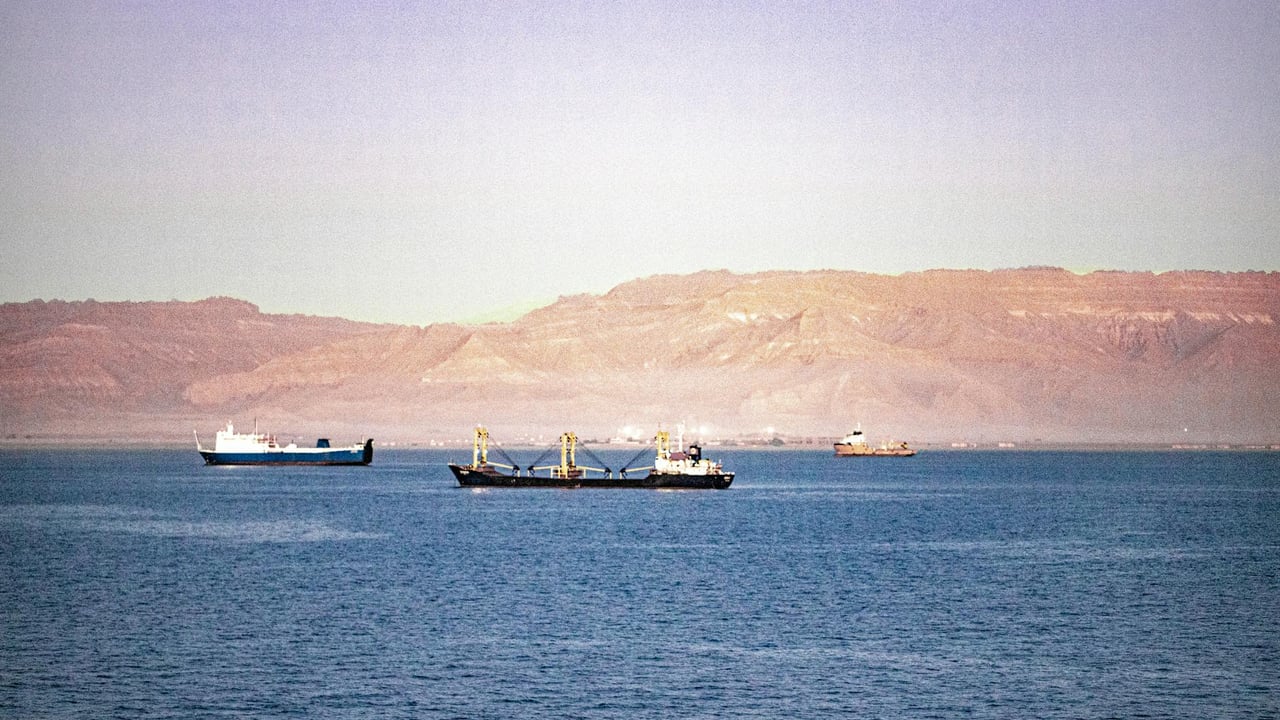

The volatile intersection of global energy security and high-stakes diplomacy shifted back to the Strait of Hormuz this week, as Donald Trump signaled a hardening of the American stance against Iran. In a move that immediately rattled commodity markets, the U.S. President dismissed Tehran’s latest diplomatic overtures as “unacceptable.” This rejection comes at a precarious moment for the global economy, as the world's most critical maritime chokepoint becomes the stage for a new trial of strength.
Washington’s strategy appears to be shifting toward direct intervention. Trump announced a naval operation scheduled for May 4th designed to escort stranded vessels out of the Strait, coupled with an explicit warning that any interference would be met with forceful retaliation. This development marks a significant escalation from mere rhetorical pressure to active maritime management, heightening the risk of a kinetic confrontation in one of the world's most congested waterways.
Despite the aggressive posturing, the diplomatic backchannel remains curiously active. Trump himself described ongoing dialogues with Iranian representatives as “productive,” suggesting a dual-track strategy of maximum pressure and transactional engagement. This “negotiation by intimidation” has left market analysts guessing, as the White House attempts to decouple maritime security from the broader, more complex issue of Iran's nuclear ambitions.
Tehran, meanwhile, is navigating its own set of internal and external contradictions. Official state rhetoric remains defiant, with Iranian officials labeling the U.S. naval operation a violation of existing ceasefire agreements. Reports from the region suggest that the U.S. blockade is already having a tangible impact on Iranian exports, with several tankers reportedly seized or forced to return to port in the preceding month.
Contradictory reports regarding a potential breakthrough on the nuclear front have further muddied the waters. While Saudi-linked media outlets claim that Iran has offered to cap uranium enrichment at 3.5% in exchange for the lifting of the maritime blockade, Tehran’s foreign ministry has publicly denied that nuclear concessions are part of the current 14-point proposal. This suggests a significant gap between the actual negotiations and the public narratives being projected by both sides.