
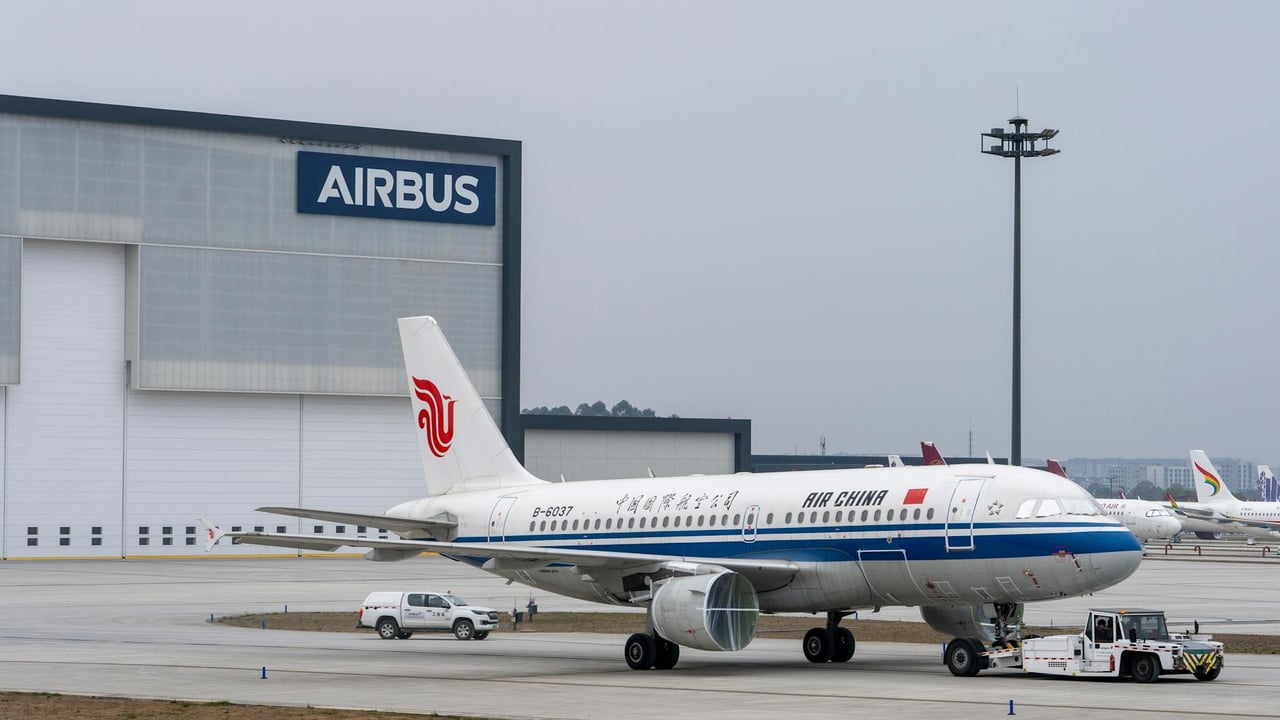

For millions of Chinese travelers, the recent May Day holiday was supposed to be a celebratory return to normalcy. Instead, many found themselves victims of what social media users are calling "ticket backstabbing." After booking flights weeks in advance at premium holiday rates, passengers watched in frustration as prices plummeted by as much as 50% just days before departure. This volatility highlights a profound disconnect between airline revenue management and the reality of a price-sensitive consumer base.
Data from flight tracking platforms shows that domestic airfares initially surged to levels 25% higher than in 2019, driven by airline optimism. However, as the holiday approached, carriers realized that high prices were cooling demand. To avoid flying empty seats, airlines pivoted to aggressive last-minute discounts. This "price diving" left early-bird travelers feeling penalized for their loyalty, sparking a wave of complaints across Chinese social media.
Beyond price fluctuations, the industry saw a staggering 118% year-on-year increase in flight cancellations. These cancellations are often calculated "stop-loss" maneuvers. With jet fuel accounting for nearly 40% of operating costs, airlines find it more economical to cancel under-booked flights and pay small compensation fees than to operate them at a loss. This strategy, while financially prudent for the carrier, has turned holiday planning into a high-stakes gamble for the public.
Structural issues within China’s aviation sector are exacerbating this instability. A significant number of wide-body aircraft, which were intended for international routes, are currently being deployed on domestic short-haul flights. These large planes are expensive to operate and have flooded the domestic market with excess capacity. This surplus has triggered a "race to the bottom" in pricing, where state-owned giants are struggling to maintain profitability despite rising passenger numbers.
While private carriers like Spring Airlines have managed to return to profitability by maintaining lean operations, the "Big Three"—Air China, China Eastern, and Southern Airlines—continue to navigate a difficult recovery. Their reliance on high-margin international business travel has left them vulnerable as cross-border traffic remains below pre-pandemic peaks. As a result, the domestic market has become a crowded theater of price wars and operational unpredictability.