
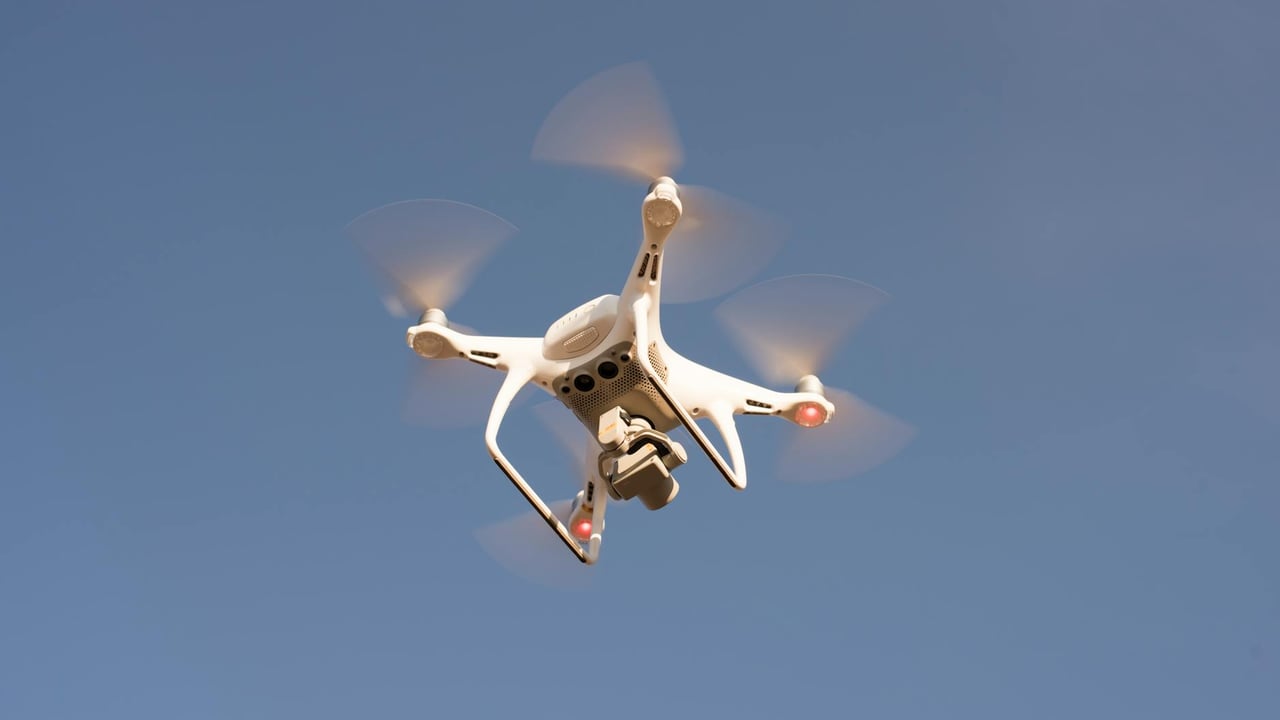

Sichuan province has officially launched the second phase of its 'Scan-and-Fly' (Sǎo Mǎ Fēi) initiative, a digital pilot program designed to drastically simplify the bureaucratic hurdles facing drone operators. By allowing pilots to register flight paths via a simple QR code scan, the provincial government is dismantling the traditional, often week-long approval processes that have historically stifled the commercial and recreational use of Unmanned Aerial Vehicles (UAVs).
This expansion signals a critical shift in how China manages its airspace, moving away from a default posture of restriction toward one of managed openness. The new pilot zones include high-demand areas like Xinglong Lake in the Tianfu New Area, where drones are being integrated into public services and tourism. This localized experiment is part of a broader national mandate to develop the 'Low-Altitude Economy,' a sector Beijing identified as a strategic emerging industry during the 2023 Central Economic Work Conference.
The 'Scan-and-Fly' model utilizes a real-time digital platform that connects operators directly with provincial low-altitude airspace management centers. This system provides instant feedback on flight safety and restricted zones, effectively replacing the need for multiple manual applications to civil aviation and military authorities. For industry players, this reduction in 'administrative friction' is the most significant development since the implementation of new national UAV regulations in early 2024.
Sichuan’s pioneering role is no accident; the province is a traditional powerhouse for China’s aviation industry, housing major research institutes and manufacturing hubs. By streamlining the 'last mile' of regulatory compliance, Sichuan is positioning itself as a testbed for a future where drone logistics, agricultural monitoring, and even urban air mobility become normalized components of the regional economy. Success here is widely expected to form the blueprint for a nationwide rollout of automated airspace management.