

The geopolitical "gray zone" in the Persian Gulf is reaching a breaking point as the White House signals exhaustion with the long-standing status quo. President Donald Trump, according to senior officials, has grown weary of the "no war, no deal" stalemate that has characterized U.S.-Iran relations. This executive impatience suggests a pivot toward more assertive tactical maneuvers in one of the world's most volatile maritime corridors.
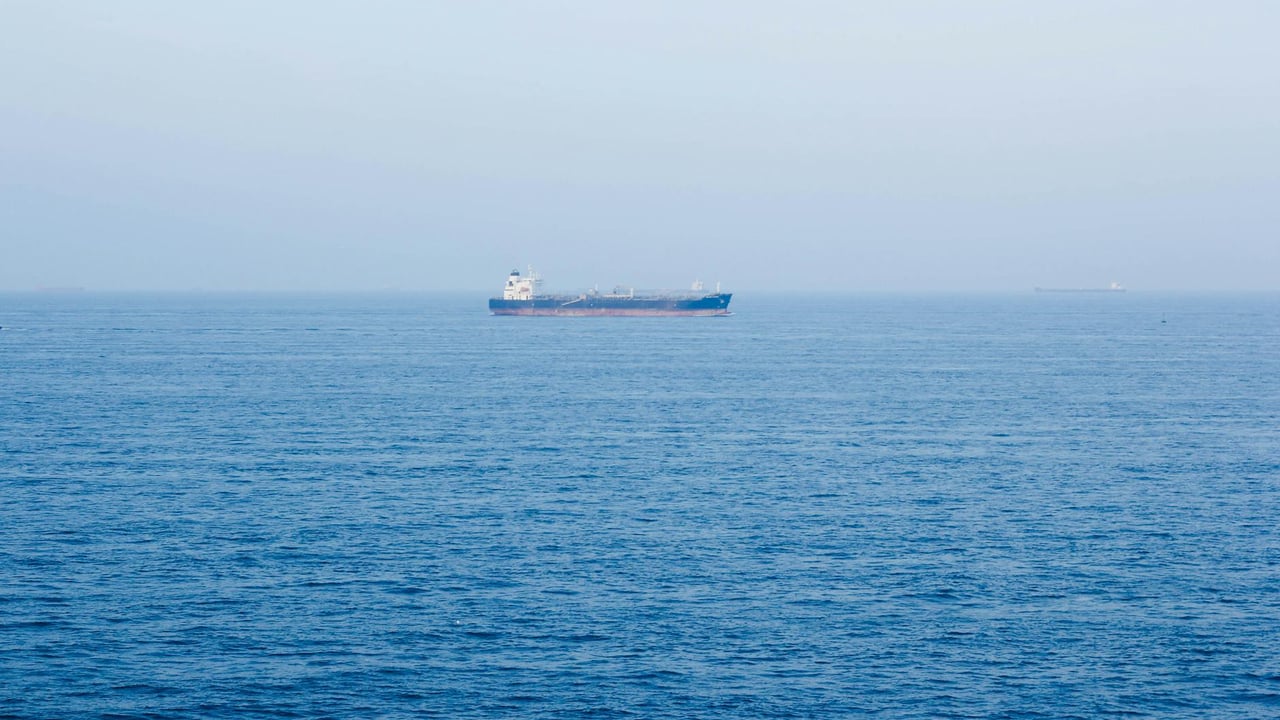
The administration is shifting from passive containment to active deterrence. Beginning May 4, the U.S. Navy will provide direct assistance to American-flagged vessels and other commercial ships traversing the Strait of Hormuz. This initiative includes specific tactical guidance on avoiding naval mines and an explicit commitment to military intervention should Iranian forces launch an assault.
This move reflects a broader strategic paradox in current U.S. foreign policy: the desire for a grand bargain coupled with a readiness to escalate pressure to force an adversary to the table. By upping the ante in the Strait, the United States aims to demonstrate that the cost of Iranian non-compliance is a permanent and intrusive American military presence at Tehran’s doorstep.
For global energy markets, the increased naval activity is a double-edged sword. While the presence of the U.S. Navy offers a security umbrella for oil tankers, it also heightens the risk of a miscalculation or a "spark" incident that could spiral into a regional conflict. The delicate balance between maximum pressure and the avoidance of conventional war is currently being tested in the narrow waters of the Gulf.