
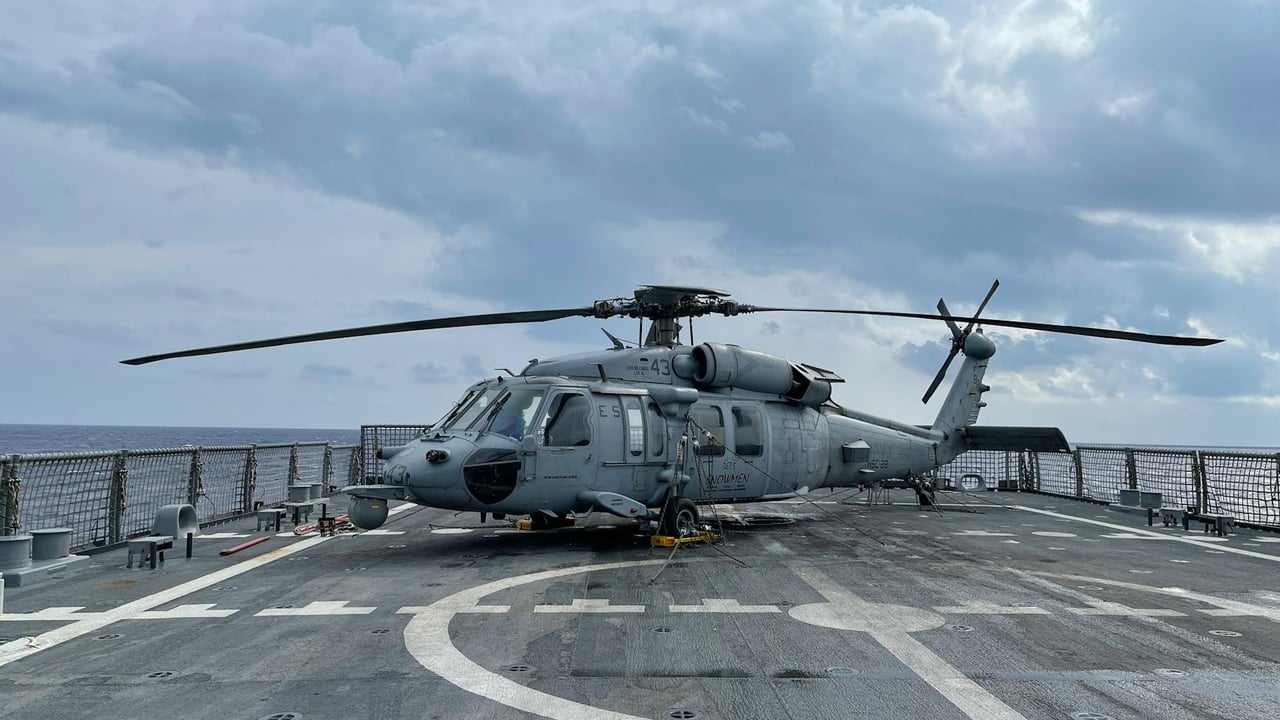

The waters of the Persian Gulf have once again become a theater for a high-stakes information war, as Iranian state-aligned media and the United States Central Command (CENTCOM) offered diametrically opposed accounts of a maritime encounter near the Strait of Hormuz. On May 4, Iranian sources alleged that two missiles successfully struck a U.S. Navy vessel after it reportedly ignored warnings and violated shipping safety regulations near the port of Jask.
U.S. CENTCOM moved swiftly to neutralize the narrative, issuing a formal statement via social media asserting that no American naval assets had been struck by Iranian ordnance. The conflicting reports underscore the volatility of the region, where even unconfirmed reports of kinetic engagement can send shockwaves through global energy markets and increase insurance premiums for commercial shipping.
The Strait of Hormuz remains the world’s most critical maritime chokepoint, through which roughly one-fifth of the world's total oil consumption passes daily. Iran's assertion that the U.S. vessel was targeted for violating traffic and navigation safety regulations mirrors its historical strategy of using maritime law as a pretext for asserting sovereignty and challenging Western naval presence in the waterway.
This latest friction point occurs against a backdrop of long-simmering hostilities and a shadow war that frequently spills over into the maritime domain. Whether the Iranian claim represents a genuine tactical escalation or a localized effort at domestic propaganda, the incident highlights the razor-thin margin for error in one of the world's most militarized maritime corridors.