
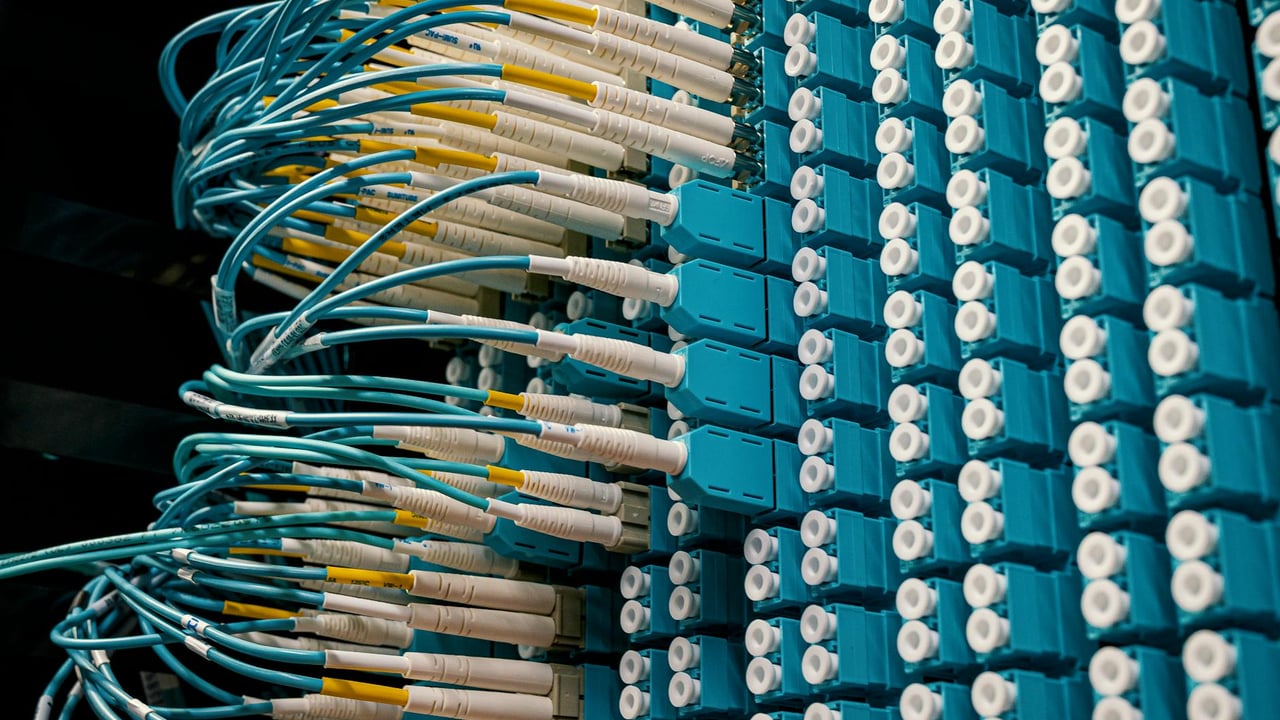

The global race for artificial intelligence dominance has minted a new class of industrial titans in China. Eoptolink, a Sichuan-based optical module manufacturer, has recently emerged as a primary beneficiary of the generative AI boom, supplying the critical high-speed interconnects that power the world’s most advanced data centers. By the close of 2025, the company had transformed from a regional player into a global heavyweight, boasting a 12-fold increase in stock price and a peak market valuation exceeding 600 billion RMB ($83 billion).
This growth is anchored in a staggering 2025 financial performance where revenue surged by 187% to nearly 25 billion RMB, and net profit skyrocketed by 235%. The catalyst for this 'wealth creation myth' is the company's dominance in the 800G and 1.6T optical module markets—the high-end technology required by North American hyperscalers like Nvidia and Meta to link GPUs in massive AI clusters. With 96% of its revenue now derived from overseas markets, Eoptolink has successfully positioned itself at the epicenter of the global AI supply chain.
However, the rapid expansion has strained the company’s internal operations. Former employees describe a high-pressure environment where 'extreme delivery' is the norm, driven by a brutal industry cycle. In the optical module sector, technological advantages typically last only 18 to 24 months before price wars begin. This forces companies to maximize output during narrow windows of high demand, often resulting in grueling labor conditions and high turnover rates for those unable to maintain the pace.
Despite the robust demand for its hardware, Eoptolink’s recent financial results have exposed a widening gap between its industrial prowess and its institutional maturity. In the first quarter of 2026, the company reported a massive 522 million RMB loss in foreign exchange, which wiped out nearly 20% of its quarterly net profit. The loss occurred despite the company having established a formal foreign exchange hedging policy, signaling a significant failure in financial risk management and execution during a period of currency volatility.
Investor sentiment has also been tested by concerns over corporate governance. The company’s founders and top executives have faced scrutiny for large-scale share divestments and past regulatory penalties for illegal stock selling. For institutional investors, the question is no longer whether Eoptolink can build world-class technology, but whether its management can navigate the complexities of being a multi-billion dollar global enterprise. While the fundamental demand for AI infrastructure remains strong, the company's recent 'flash crash' on the stock market serves as a reminder that even in a gold rush, the tools used for management are as important as the shovels being sold.