Precious Metals Plunge as Geopolitical Strife and a Dominant Dollar Reshape Global Markets

Escalating Middle East tensions have led to a sharp decline in gold and silver prices, driven by a strengthening U.S. dollar and rising oil costs. Gold fell below $4,600 per ounce while silver dropped over 4%, as investors pivoted toward the dollar despite the geopolitical instability.

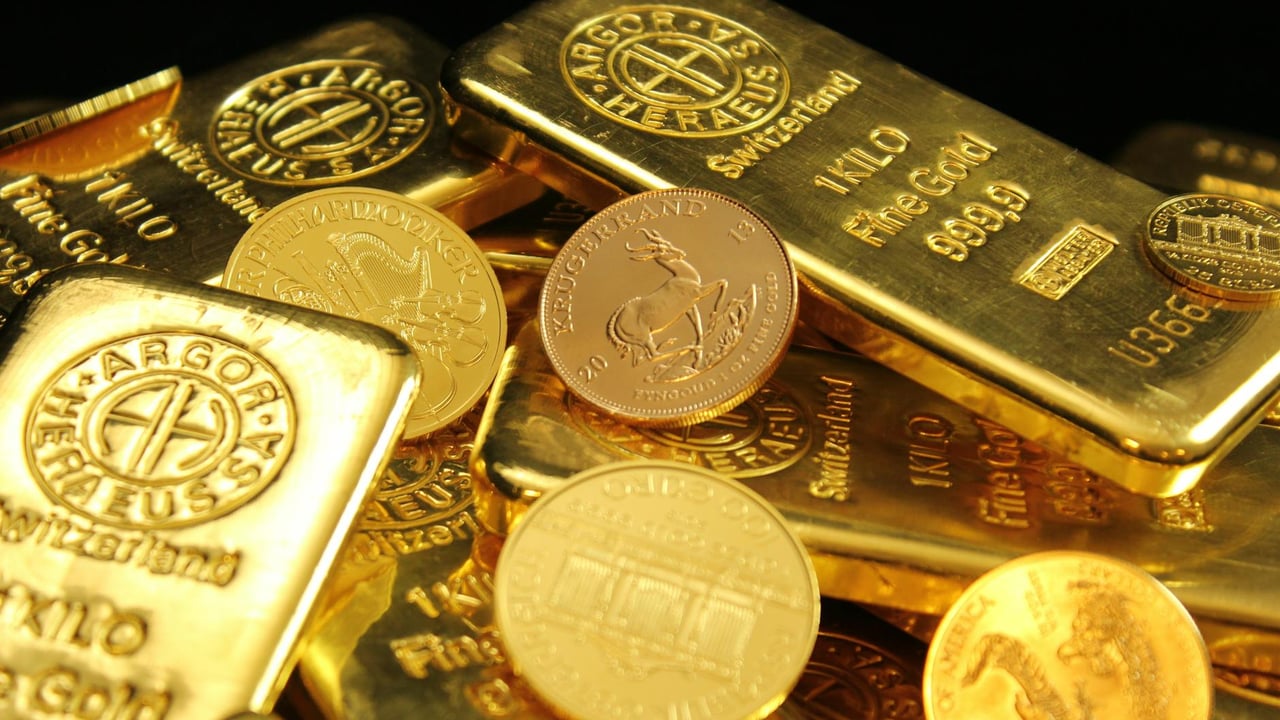
A detailed image of gold bars and coins symbolizing wealth and financial investment.

Key Takeaways

  • 1Gold futures dropped over 2.5%, falling below the $4,600 per ounce mark.
  • 2Silver prices experienced a sharper decline of over 4%, settling near $73 per ounce.
  • 3A surging U.S. dollar acted as the primary catalyst for the commodity sell-off.
  • 4Rising crude oil prices have fueled inflationary concerns, further strengthening the greenback.
  • 5The traditional safe-haven status of gold was overshadowed by a flight to liquidity in the currency markets.

Editor's
Desk

Strategic Analysis

This market movement illustrates a rare 'decoupling' of gold from geopolitical risk, where the strength of the U.S. dollar becomes the dominant factor in global asset pricing. At $4,600 per ounce, gold is operating at a valuation level that suggests we are in a high-inflation, high-uncertainty era far beyond historical norms. The fact that prices are falling during a Middle East escalation indicates that the 'dollar smile' theory is in full effect—where the U.S. currency attracts capital both during periods of American growth and global crisis. Looking ahead, if oil continues to climb, the resulting pressure on the dollar could keep precious metals suppressed despite the worsening security situation in the Levant and Persian Gulf.

China Daily Brief Editorial
Strategic Insight
China Daily Brief

The intensifying instability in the Middle East has triggered a counterintuitive rout in the precious metals market, upending the traditional narrative of gold as an ultimate safe haven during times of war. On May 4, 2026, gold and silver prices saw significant double-digit declines as a surging U.S. dollar and skyrocketing crude oil prices fundamentally altered investor calculus.

At the New York Mercantile Exchange, June gold futures plummeted below the $4,600 per ounce threshold, marking a sharp contraction of more than 2.5 percent. Silver followed an even more aggressive downward trajectory, with July futures falling over 4 percent to settle near $73 per ounce. This sell-off reflects a market environment where liquidity and currency strength are currently overshadowing the commodity's role as a hedge against geopolitical risk.

The primary driver behind this downturn is the formidable strength of the U.S. dollar. As crude oil prices spike due to regional tensions, inflationary pressures are intensifying, leading market participants to anticipate a more hawkish stance from central banks. This has effectively boosted the greenback, making dollar-denominated assets like gold and silver prohibitively expensive for international buyers and triggering a mass liquidation of positions.

Furthermore, the current price levels—with gold sitting at historic highs near $4,600—suggest that the market was ripe for a correction. While regional conflict usually bolsters precious metals, the sheer velocity of the dollar's appreciation has forced a pivot toward cash and liquid treasury assets. Investors appear to be prioritizing the immediate liquidity of the world's reserve currency over the long-term security of physical bullion.

Share Article

Related Articles

📰
No related articles found