
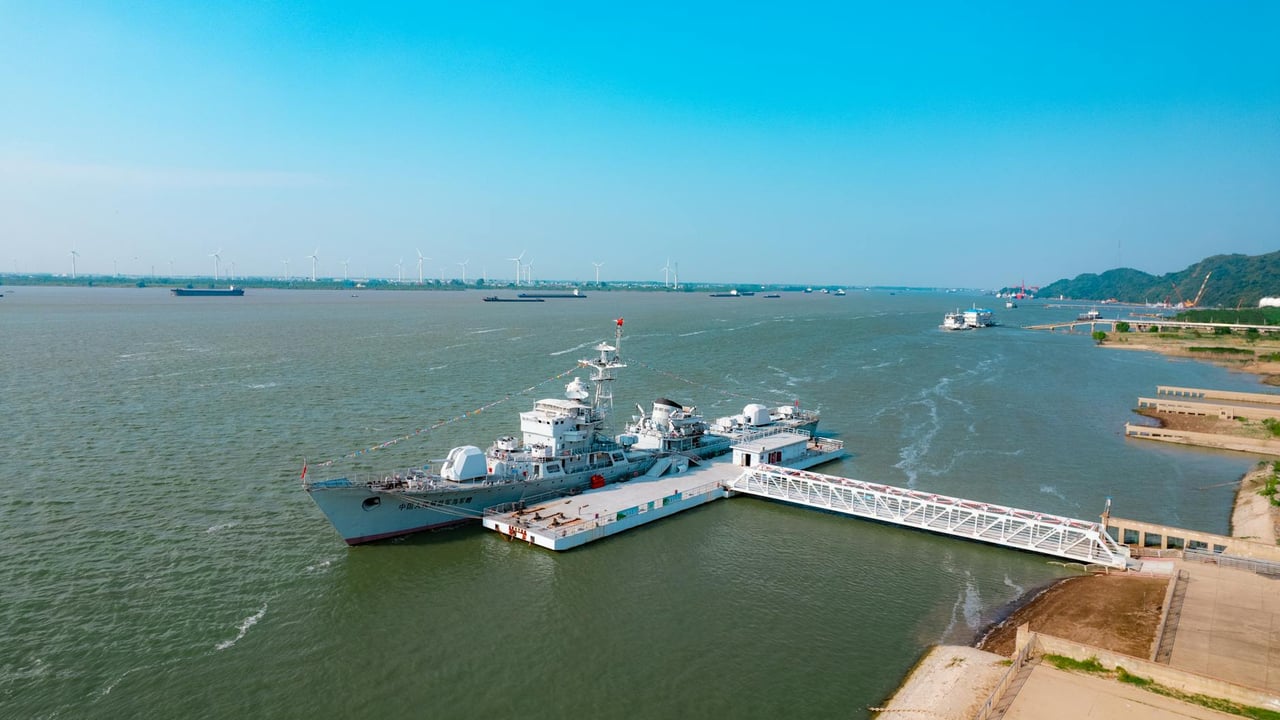

The visual landscape of the People’s Liberation Army Navy (PLAN) is undergoing a calculated transformation. Recent portrayals of female reconnaissance soldiers—often framed with the colloquial Chinese descriptor 'shuai' (cool)—signal more than just a public relations victory. They represent a fundamental shift in how the world’s largest navy by ship count is conceptualizing its human capital and combat readiness in an era of high-tech maritime warfare.
Historically relegated to medical, communications, or administrative roles, women in the PLAN are increasingly being integrated into elite front-line combat units. These reconnaissance detachments are tasked with high-stakes intelligence gathering, amphibious scouting, and specialized combat operations. This evolution reflects a pragmatic realization within Beijing that modern naval supremacy requires a diverse talent pool capable of operating across increasingly complex physical and digital domains.
This trend is inextricably linked to President Xi Jinping’s overarching mandate to transform the PLA into a 'world-class' fighting force by 2049. Military modernization in the Chinese context involves not just the commissioning of aircraft carriers and hypersonic missiles, but the professionalization of the rank-and-file. By elevating the profile of female combat scouts, the PLAN is projecting an image of a progressive, modernized military that mirrors the integrated structures of top-tier Western defense forces.
In the theater of the South China Sea and the Taiwan Strait, the role of these units becomes even more critical. Reconnaissance is the bedrock of the PLAN’s 'anti-access/area denial' (A2/AD) strategy. The deployment of highly trained female scouts into these roles suggests a deepening of the specialized talent pool available for covert operations and coastal intelligence, areas where the PLA continues to seek a competitive edge over regional rivals and the U.S. Navy.