
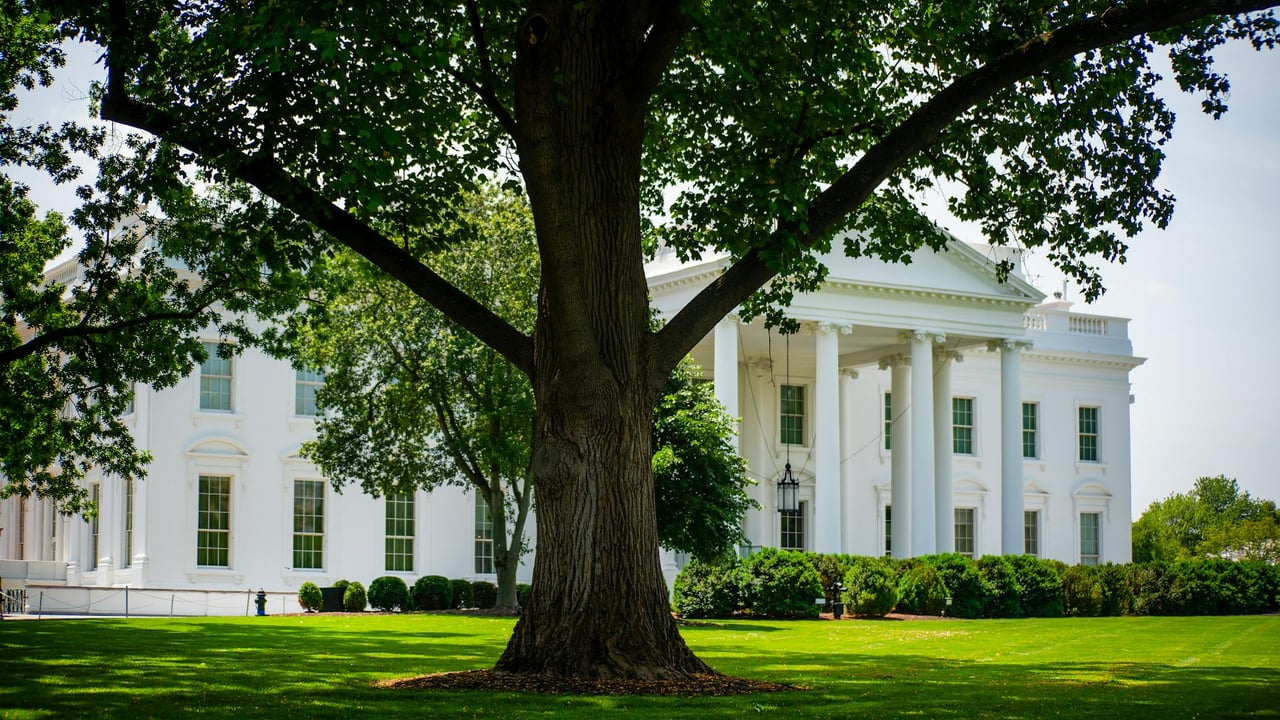

A sudden burst of gunfire near the White House grounds sent the world’s most famous residence into a state of high alert on Tuesday. Secret Service agents moved with practiced urgency to secure the perimeter, initiating an immediate lockdown as the sound of shots echoed through the heart of Washington D.C. This security breach represents a significant escalation in the ongoing tension surrounding federal protection in the capital.
At the time of the incident, Donald Trump was present within the executive mansion, heightening the stakes of the security response. While the shooter’s identity and specific motivations are still being processed by federal investigators, the protocols followed were part of the 'total lockdown' strategy designed to insulate the presidency from immediate kinetic threats. The swift closure of surrounding streets underscores the precarious nature of maintaining an open democracy within a fortified executive zone.
Incidents of this nature carry weight far beyond the immediate tactical response of the Secret Service. For international observers, particularly those in geopolitical rival states, such events are often framed as symptoms of a deepening domestic volatility within the American political core. The narrative of a capital under siege is a potent tool for those looking to question the stability of the United States on the global stage.
This lockdown follows a historical pattern of heightened security measures at federal landmarks that has intensified over the last several years. As the investigation continues, the focus will likely shift from the tactical failure that allowed a firearm to be discharged so close to the White House to the broader societal stressors that drive individuals toward such high-profile acts of violence. The event serves as a stark reminder of the persistent security challenges facing the American executive branch in an era of high political polarization.