The Geopolitical Domino: Why a US-Iran Conflict Threatens to Unleash a 'Serial Shock' on the American Economy

As tensions between the US and Iran escalate in May 2026, economists warn of a 'serial shock' to the American economy driven by surging energy prices and fiscal strain. This potential conflict threatens to disrupt supply chains and trigger market volatility, complicating the US economic outlook.

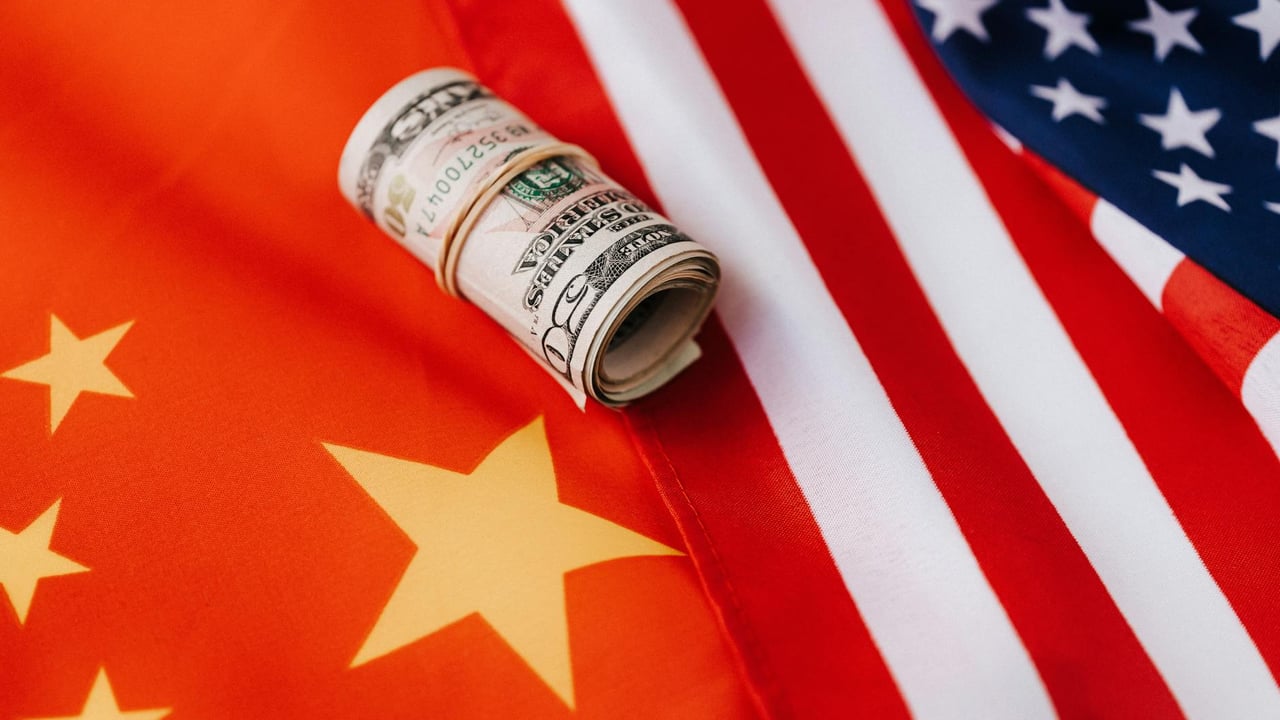
From above of roll of dollar bills tied with rubber band on bright American flag with stars and stripes symbolizing unity and peace

Key Takeaways

  • 1Escalation in the Middle East poses a 'serial shock' risk to the US economy via energy and fiscal channels.
  • 2Oil price surges remain the most immediate threat to American consumer stability and inflation targets.
  • 3Increased defense expenditures are expected to exacerbate fiscal deficits and strain the federal budget.
  • 4Geopolitical uncertainty is likely to trigger market volatility and impact corporate earnings for multinationals.

Editor's
Desk

Strategic Analysis

The warning from economists reflects a growing consensus that the era of 'isolated conflicts' is over. In a hyper-connected global economy, a strike in the Middle East is fundamentally a domestic economic event for the United States. While the US has achieved greater energy independence over the last decade, it remains tethered to global price benchmarks. The 'serial shock' narrative highlights a strategic vulnerability: the US economy’s inability to fully decouple its inflationary trajectory from geopolitical flashpoints. This situation presents a daunting challenge for the Federal Reserve, which may find itself forced to choose between battling war-induced inflation and supporting a slowing economy.

China Daily Brief Editorial
Strategic Insight
China Daily Brief

The prospect of an armed confrontation between Washington and Tehran has long been the Damocles sword hanging over global markets. However, as tensions reach a fever pitch in mid-2026, economists are increasingly warning that the fallout will not be confined to the Persian Gulf. Instead, a "serial shock" mechanism is expected to reverberate through the American domestic economy, potentially derailing years of delicate post-pandemic stability.

The primary driver of this economic volatility is, predictably, the energy sector. A disruption in the Strait of Hormuz—the world’s most critical oil chokepoint—would likely trigger an immediate spike in Brent crude prices. For an American economy still sensitive to inflationary pressures, higher pump prices act as a regressive tax, dampening consumer spending and increasing operational costs for logistics and manufacturing sectors alike.

Beyond the immediate energy spike, the secondary "shocks" involve a significant reallocation of federal resources. A sustained military engagement requires a massive pivot toward defense spending, which could widen an already substantial fiscal deficit. This shift often crowds out private investment and limits the government’s capacity to fund domestic infrastructure or social programs, leading to long-term structural drag on the nation's growth.

Market psychology adds a final layer of instability to this projected crisis. The uncertainty inherent in high-stakes geopolitical conflict tends to trigger a flight to safety, which, while strengthening the dollar temporarily, often leads to extreme capital market volatility. For US corporations with global footprints, the combination of disrupted supply chains and unpredictable currency fluctuations could lead to a sharp contraction in quarterly earnings and a cooling of investor confidence.

Share Article

Related Articles

📰
No related articles found