Summer Heat and Combat Readiness: The PLA Signals a Seasonal Shift in Training Intensity

As the 'Start of Summer' begins, the PLA has intensified its field training across diverse terrains to enhance combat readiness under rising temperatures. These exercises emphasize 'real combat conditions' and the ideological commitment of the younger generation of soldiers to achieve national defense goals.

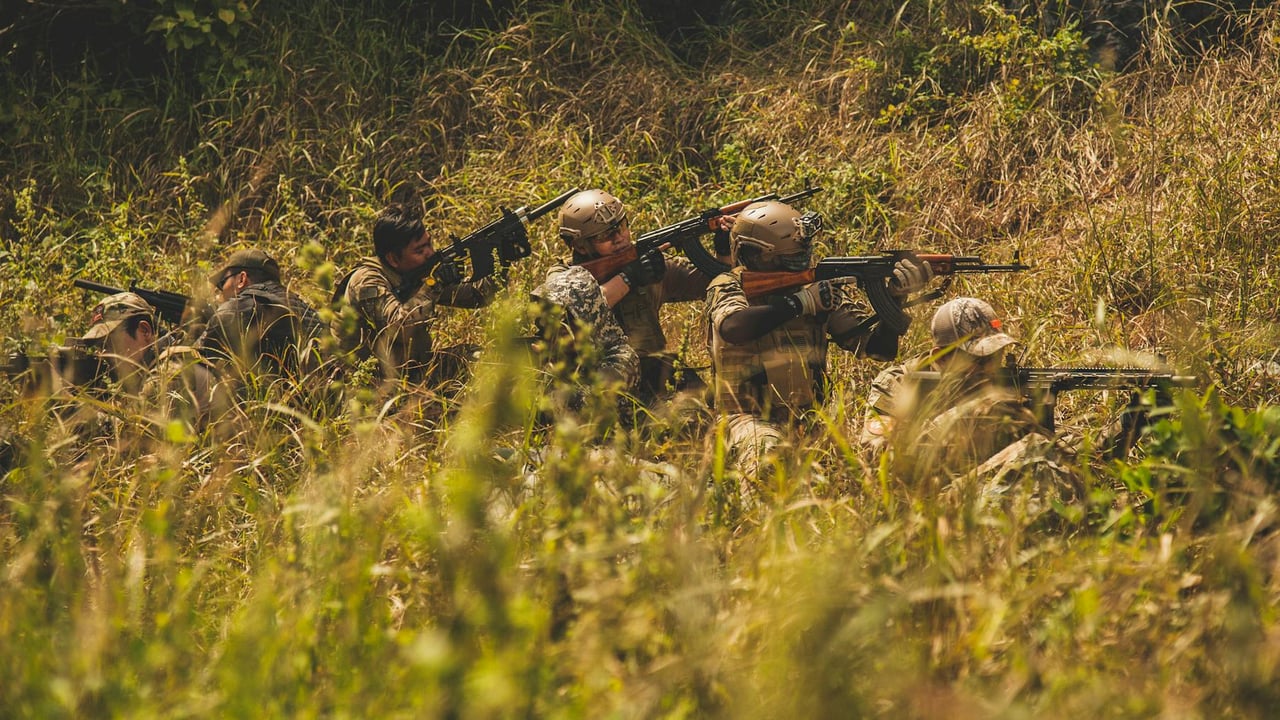
A group of soldiers in camouflage gear aim their weapons during a military exercise in a grassy field.

Key Takeaways

  • 1Transition to summer marks a deliberate increase in PLA training intensity and physical demands.
  • 2Drills are focused on complex topographies, including mountains and gullies, to simulate diverse battlefield environments.
  • 3The training emphasizes 'real combat' preparedness, moving away from scripted maneuvers toward environmental stress testing.
  • 4Propaganda narratives surrounding the drills focus on the dedication of young soldiers and their role in the 2027 modernization milestones.

Editor's
Desk

Strategic Analysis

The publicization of 'Lixia' training cycles is a classic example of how the PLA uses seasonal transitions to reinforce its narrative of constant vigilance. While the provided text focuses on the physical exertion of troops, the strategic undercurrent is the institutionalization of readiness. By highlighting mountain and gully maneuvers, the PLA is signaling its proficiency in rugged terrain—a clear nod to potential contingencies in the Himalayas or the forested regions of the first island chain. This 'seasonal signaling' ensures that both domestic audiences and foreign observers recognize the PLA's transition into peak operational tempo as the summer months provide the most favorable, yet grueling, conditions for large-scale maneuvers.

China Daily Brief Editorial
Strategic Insight
China Daily Brief

As the traditional solar term 'Lixia' marks the beginning of summer, the People's Liberation Army (PLA) has signaled a strategic transition from springtime preparatory drills to high-intensity seasonal maneuvers. This shift is not merely a change in the calendar but a deliberate calibration of military readiness designed to test personnel and equipment under escalating environmental stress.

In the rugged terrains of China's hinterlands, camouflage-clad units are increasingly visible traversing mountain ranges and deep gullies. The emphasis on varied topography suggests a continued commitment to 'real combat conditions,' a cornerstone of the Central Military Commission's modernization agenda. By pushing troops into the heat of the early summer, the PLA seeks to harden its force against the logistical and physical challenges of sustained regional conflict.

The rhetoric accompanying these exercises—focused on 'sweat in the sand' and 'marks of growth'—serves a dual purpose of domestic mobilization and ideological cohesion. For a military that has not seen major kinetic action in decades, these high-visibility training cycles are essential for maintaining the 'fighting spirit' frequently touted by senior leadership. They underscore the institutional drive to transform youthful vigor into disciplined, combat-effective power.

Furthermore, the timing of these drills reflects a broader pattern of persistent military visibility. As temperatures rise across the continent, the PLA's presence in training grounds serves as a reminder of its evolving capabilities. This seasonal ramp-up ensures that the transition into the year's most active training months is met with immediate operational momentum.

Share Article

Related Articles

📰
No related articles found