Fishermen to Frontiers: China’s First Privately Funded Research Vessel Takes to the Seas

China has launched its first privately funded oceanographic research vessel, the Haiying Jiake, funded by a group of 37 fishermen in Zhejiang. The 150 million yuan ship will provide leasing services to research institutions, signaling a new era of private participation in China's maritime science sector.

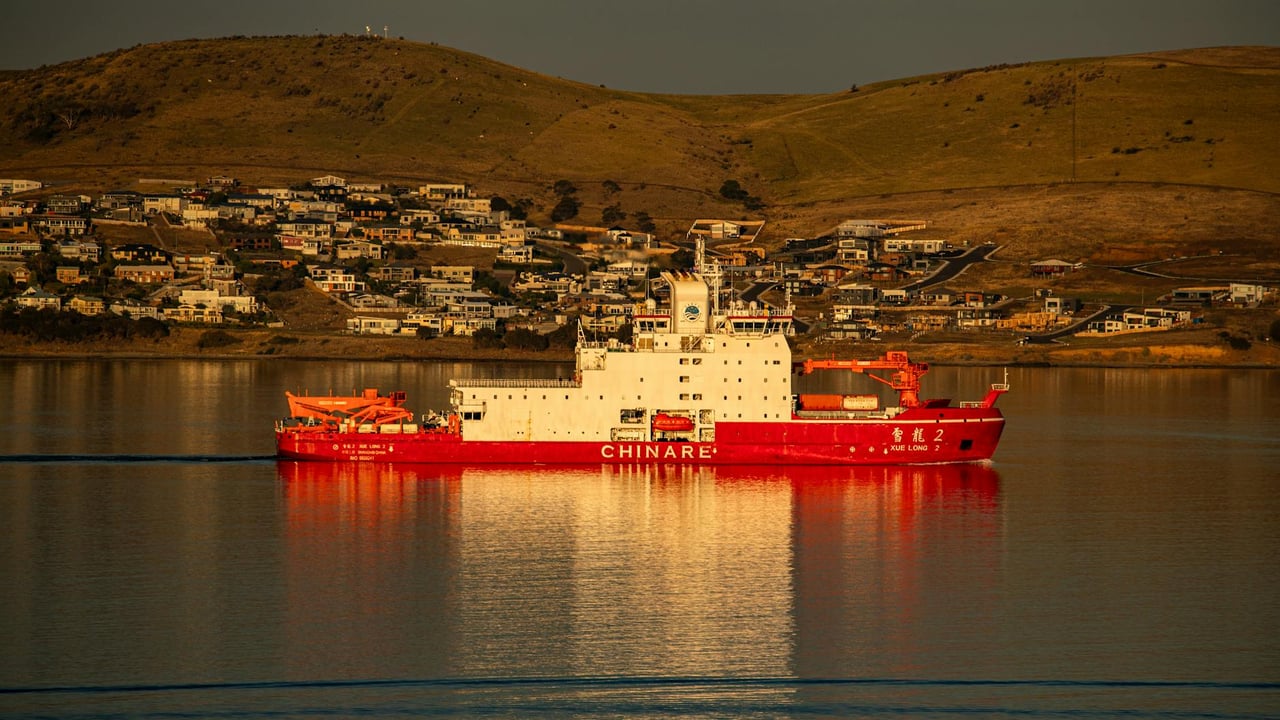
A vibrant red icebreaker ship navigating calm waters with hillside houses in the background.

Key Takeaways

  • 1The Haiying Jiake is China's first multi-disciplinary research vessel built with 100% private capital.
  • 2A group of 37 local fishermen from Wenling invested approximately 150 million yuan in the project.
  • 3The ship features a 3,500-ton displacement and a 10,000-nautical-mile range, capable of global navigation.
  • 4The vessel will operate under a leasing model, serving universities and scientific institutes that lack their own ships.
  • 5This development marks a transition for traditional maritime players moving into high-value scientific infrastructure.

Editor's
Desk

Strategic Analysis

The launch of the Haiying Jiake is a microcosm of China’s 'Maritime Power' strategy, illustrating the convergence of grassroots capital and national strategic goals. By allowing private actors to enter the highly regulated field of oceanographic research, Beijing is effectively decentralizing the costs of maritime expansion while expanding its 'civilian' footprint in global waters. This move also serves as a sophisticated hedge for traditional fishing communities facing depleted stocks and stricter environmental regulations; by investing in science, they are securing a place in the future maritime value chain. Strategically, an increase in privately owned but nationally aligned research vessels expands China's dual-use maritime capacity, as these ships can collect hydrographic and environmental data essential for both scientific progress and national security interests.

China Daily Brief Editorial
Strategic Insight
China Daily Brief

The launch of the Haiying Jiake in the coastal town of Wenling, Zhejiang province, marks a significant shift in China's maritime landscape. Displacing 3,500 tons and stretching 82 meters in length, the vessel is not just another addition to the country’s growing fleet of scientific ships; it is the first to be built entirely with private capital. The project, valued at approximately 150 million yuan ($21 million), represents a bold departure from the traditional state-led model of oceanographic investment.

What makes the Haiying Jiake particularly notable is its list of backers: a consortium of 37 local fishermen from Wenling. For generations, these investors have derived their livelihoods from the sea through traditional harvesting. By pivoting their capital into a high-tech research platform, they are signaling a transition from resource extraction to the burgeoning blue economy and high-end maritime services. This move reflects a broader trend of professionalization among China’s coastal communities as they seek more sustainable and sophisticated investment channels.

The vessel’s technical specifications are designed for global reach. With a range of 10,000 nautical miles and an endurance of over 60 days, the Haiying Jiake is capable of performing multi-disciplinary surveys in any navigable waters worldwide. This capability places it on par with many state-owned research ships, providing a robust platform for deep-sea exploration and scientific data collection that was previously the exclusive domain of government agencies.

The operational model for the ship is equally strategic. Rather than being tied to a single government ministry, the Haiying Jiake will be available for lease to universities, scientific research institutes, and private enterprises. This market-oriented approach addresses a chronic shortage of research platforms for academic institutions, which often face long wait times for space on state-run vessels. By democratizing access to the ocean, this private venture could accelerate the pace of China's marine science innovation.

Share Article

Related Articles

📰
No related articles found