
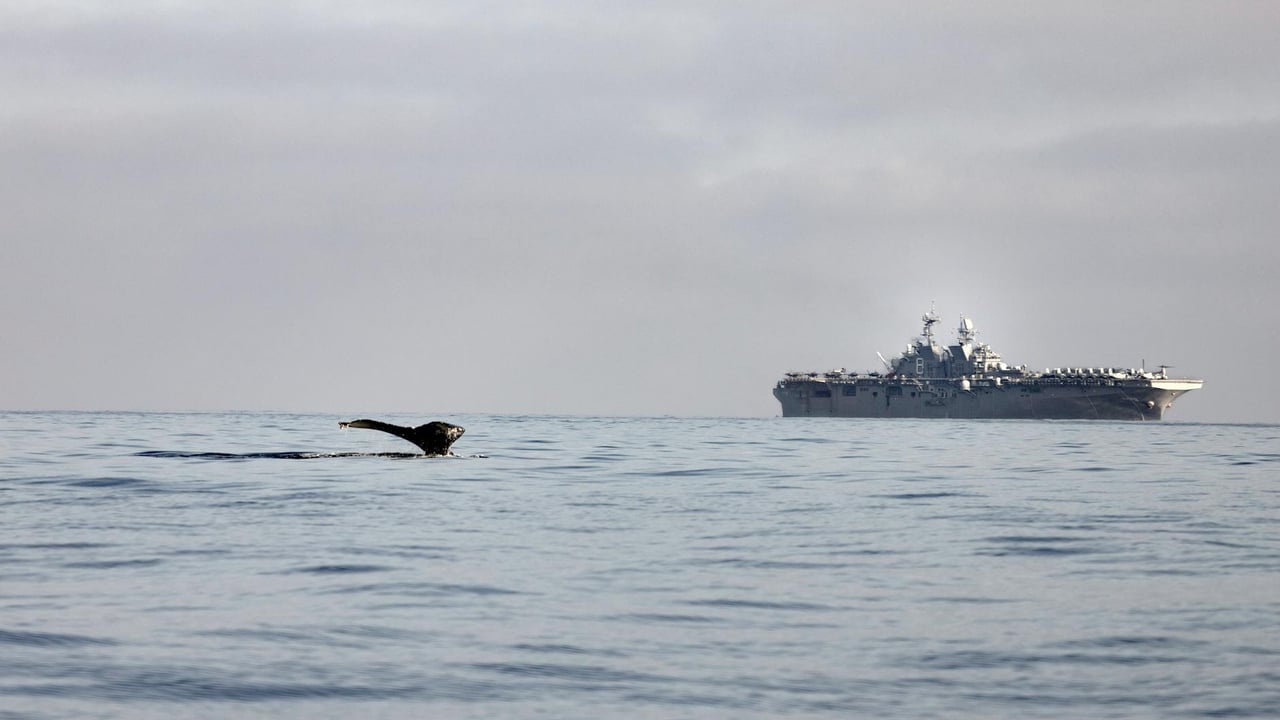

The announcement by U.S. Central Command that the USS George H.W. Bush is currently transiting the Arabian Sea marks a significant recalibration of American naval presence in one of the world's most volatile maritime corridors. This movement is far from a routine transit; it represents a deliberate deployment of one of the most powerful assets in the U.S. arsenal into a region defined by complex geopolitical rivalries and critical energy chokepoints.
As the gateway to the Persian Gulf and the Red Sea, the Arabian Sea serves as the primary artery for global oil and gas shipments. The presence of a Nimitz-class supercarrier provides a formidable layer of security for commercial shipping while simultaneously offering Washington a flexible platform for rapid response to regional contingencies. In an era of shifting alliances, the carrier’s movement acts as a floating signal of American commitment to its regional partners.
Furthermore, the timing of this transit suggests a broader strategy of 'integrated deterrence' aimed at regional actors. By maintaining a high-visibility naval presence, the U.S. Navy seeks to discourage maritime disruption and ensure that international waters remain open for trade. This is particularly relevant as non-state actors and regional powers continue to test the boundaries of international law in the surrounding waters.
Chinese state media’s prompt reporting of this movement underscores Beijing’s own strategic anxieties regarding the Indian Ocean and the Middle East. As China continues to expand its maritime reach through the 'Belt and Road' initiative, the visibility of U.S. carrier strike groups remains a primary focus for Chinese military planners. This development serves as a reminder that despite the U.S. pivot to the Pacific, the security architecture of the Middle East remains a cornerstone of American global strategy.