Fortress Under Fire: The Economic Cost of the American Retreat from Germany

The Pentagon's confirmation that 5,000 troops will leave Germany within a year has triggered alarms over the economic stability of military-dependent towns like Ramstein-Miesenbach. Mayor Ralf Hechler estimates the annual loss to the local economy at $2 billion, citing deep impacts on wages, rent, and local business contracts.

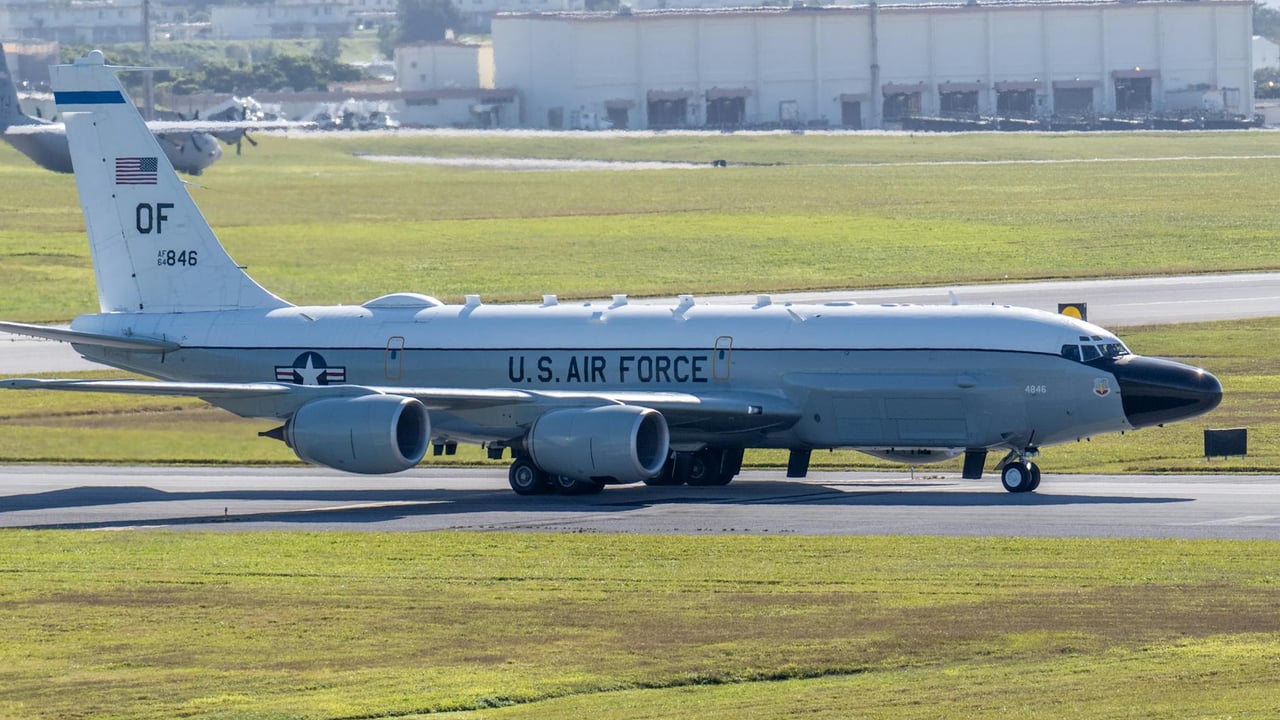
U.S. Air Force reconnaissance aircraft on an airfield runway, ready for takeoff.

Key Takeaways

  • 1The U.S. Pentagon confirmed the withdrawal of 5,000 troops from Germany within a 6 to 12-month window.
  • 2Mayor Ralf Hechler of Ramstein-Miesenbach warns the move will have devastating consequences for local municipal economies.
  • 3The economic contribution of the U.S. military to the region is estimated at more than $2 billion annually.
  • 4Nearly 8,000 U.S. personnel and their families are currently stationed in the Ramstein-Miesenbach area alone.
  • 5The withdrawal impacts various sectors, including residential real estate, local service contracts, and retail.

Editor's
Desk

Strategic Analysis

The economic anxiety expressed by German municipal leaders highlights a classic 'company town' vulnerability, where the anchor employer is a foreign military superpower. While the U.S. views these troop movements through the lens of strategic flexibility and burden-sharing, the German perspective is increasingly dominated by the fear of abandonment and the sudden loss of a decades-old economic pillar. This move likely signals a permanent shift toward a more mobile, less permanently-stationed U.S. presence in Europe, forcing NATO allies to reconcile their security needs with the harsh reality of military-dependent local economies. As the 'peace dividend' continues to evaporate, these towns face the difficult task of reinventing themselves without the reliable cash flow of the American garrison.

China Daily Brief Editorial
Strategic Insight
China Daily Brief

The Pentagon’s decision to withdraw 5,000 U.S. troops from German soil marks more than just a shift in transatlantic defense strategy. For the communities that have grown up in the shadow of American airbases, the move represents an existential economic crisis. In the town of Ramstein-Miesenbach, the sudden disappearance of thousands of service members threatens to hollow out a local economy that has relied on a foreign military presence for decades.

Mayor Ralf Hechler’s recent warnings paint a grim picture of the fiscal cliff facing his municipality. With nearly 8,000 American soldiers and their families currently stationed near the Ramstein Air Base, the local ecosystem is inextricably linked to the U.S. military’s checkbook. The withdrawal is expected to sap over $2 billion annually from the local economy, affecting everything from residential rent payments to municipal service contracts and retail spending.

The timeline for this departure is aggressive, with the Pentagon aiming to complete the reduction within the next six to twelve months. This leaves German officials with little room to pivot toward a more diversified economic model. For the small businesses that depend on American wages, the exit of these troops is a painful economic blow that could leave a permanent scar on the region’s prosperity.

Beyond the immediate financial fallout, the withdrawal underscores a growing friction in the U.S.-Germany security partnership. As Washington reevaluates its global footprint and demands greater defense spending from its European allies, local mayors like Hechler find themselves on the front lines of high-level geopolitical shifts. The loss of these 5,000 troops may be a strategic adjustment for the Pentagon, but for the Rhineland-Palatinate region, it is a localized recession in the making.

Share Article

Related Articles

📰
No related articles found