
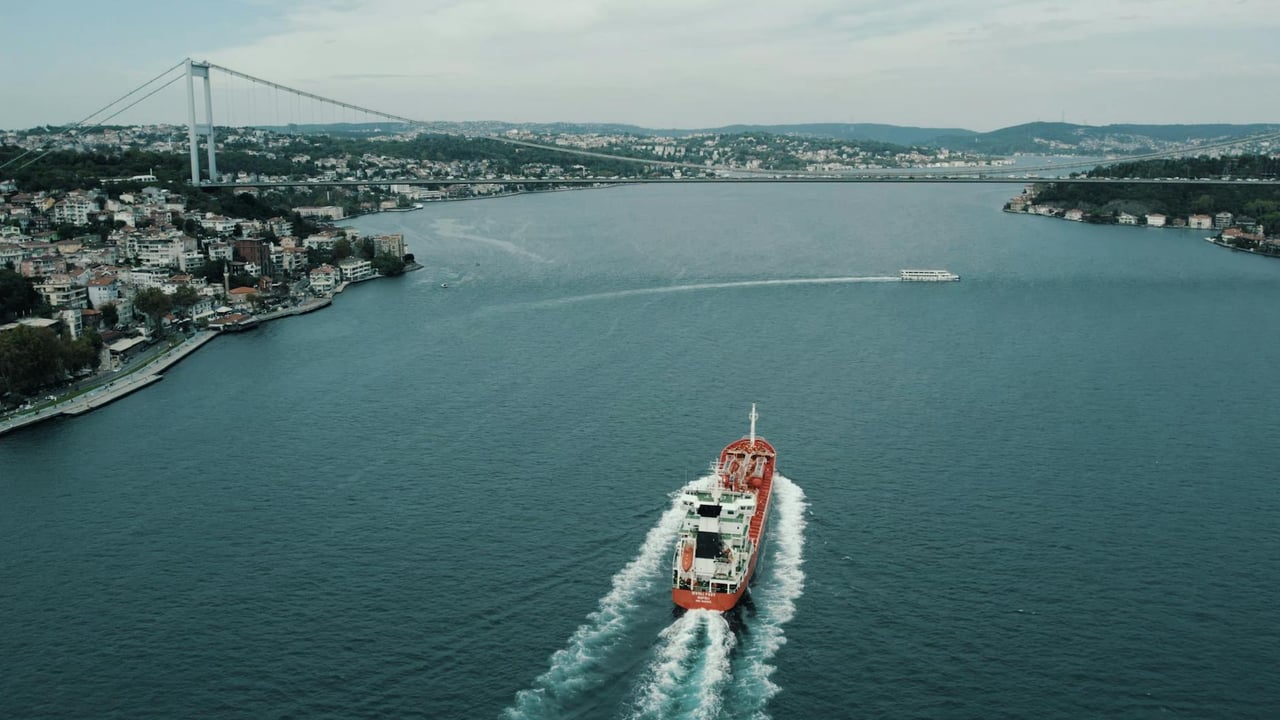

Iraq has slashed the price of its flagship crude by historic margins in a high-stakes bid to lure buyers back to the volatile waters of the Persian Gulf. According to the latest pricing schedules from the State Organization for Marketing of Oil (SOMO), Baghdad is offering discounts of up to $33.40 per barrel for its Basrah Medium grade. This unprecedented price cut serves as a 'risk premium' for traders willing to navigate tankers through the Strait of Hormuz, currently the center of a regional conflagration.
The incentive comes at a moment of existential crisis for the Iraqi economy, which has seen its export capacity decimated following military strikes between the United States, Israel, and Iran. Prior to the escalation, Iraq moved approximately 3.5 million barrels of crude daily, with the vast majority transiting the narrow choke point of Hormuz. Since the conflict began, maritime security risks have forced a 70% reduction in those volumes, leaving the state budget in a precarious position.
To mitigate the coastal bottleneck, Iraq is aggressively pivoting toward overland alternatives and northern transit corridors. The government recently confirmed the activation of the Kirkuk-Ceyhan pipeline, which bypasses the Gulf entirely to reach Turkish ports on the Mediterranean. Combined with secondary lines through the Kurdish region, these northern routes now provide a critical, albeit limited, capacity of roughly 650,000 barrels per day for international markets.
Further south, Baghdad has turned to unconventional logistics, utilizing a fleet of tanker trucks to move crude through the Rabia border crossing into Syria. From there, the oil is transported to Mediterranean terminals for export, representing a significant logistical shift away from traditional maritime routes. While these land-based maneuvers offer a lifeline, they cannot yet replace the massive scale of the Persian Gulf terminals, forcing the government to use deep discounts to keep the sea lanes active.