A Fragrant Transition: The Symbolic Bloom of Afghanistan’s Rose Harvest

As the rose harvest begins in Afghanistan's Nangarhar province, the shift from poppy cultivation to high-value floral products marks a significant economic transition. This move toward alternative livelihoods represents a glimmer of hope for a legitimate agricultural economy, though significant hurdles to global market integration remain.

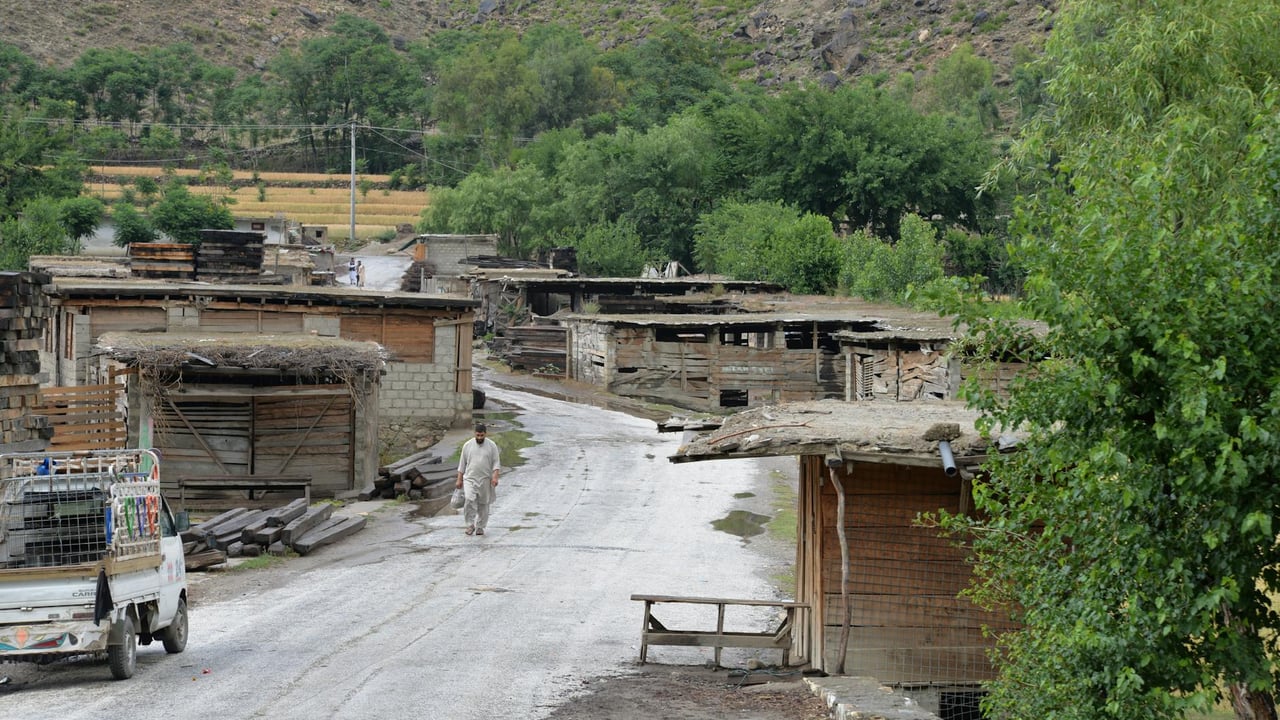
A serene rural village in Afghanistan, showcasing traditional architecture and lush greenery.

Key Takeaways

  • 1Nangarhar province is witnessing a successful harvest of Damask roses, traditionally used for high-end oils and perfumes.
  • 2The shift to rose cultivation is a strategic attempt to provide farmers with a legal and lucrative alternative to opium poppies.
  • 3Rose oil production offers a high value-to-weight ratio, making it an ideal export product for a landlocked country with infrastructure gaps.
  • 4Despite the visual success, Afghan farmers face significant barriers in reaching international luxury markets due to geopolitical tensions and economic sanctions.

Editor's
Desk

Strategic Analysis

The 'rose-for-poppy' initiative serves as a critical litmus test for the viability of the Afghan economy under its current restrictive governance. While the visual shift is striking, the structural challenges—ranging from chronic water scarcity to the lack of international diplomatic recognition—mean that these fragrant fields are as much a symbol of potential as they are a reminder of the arduous path toward economic normalization. If the rose industry can scale and gain access to European and Middle Eastern perfume houses, it could provide a durable blueprint for replacing illicit economies in conflict zones, proving that market-driven incentives can outperform state mandates in shifting agricultural behavior.

China Daily Brief Editorial
Strategic Insight
China Daily Brief

In the sun-drenched fields of eastern Afghanistan’s Nangarhar province, a different kind of harvest is taking root. Where once the crimson of opium poppies dominated the landscape, the delicate pink of Damask roses now provides a rare moment of floral tranquility. This seasonal bloom is more than just an aesthetic triumph; it represents a hard-fought transition in the country’s agricultural heartland.

For decades, Nangarhar was synonymous with the illicit drug trade, providing a significant portion of the world's opium supply while fueling regional instability. The shift toward rose cultivation is part of a broader "alternative livelihood" strategy aimed at decoupling the rural economy from narcotics. Farmers are finding that the demand for rose water and high-value rose oil—essential for luxury perfumes—can offer a sustainable income.

The economic logic of the rose is compelling. Rose oil, often referred to as "liquid gold," boasts a high value-to-weight ratio, making it an ideal export for a landlocked nation with limited logistical infrastructure. While the initial investment in distillation equipment is high, the long-term yields provide a level of financial security that the volatile and illegal poppy trade cannot match.

However, this transition remains fragile and is deeply intertwined with Afghanistan's complex political landscape. While the sight of children playing in rose fields offers a hopeful image for international observers, the industry’s growth is currently throttled by limited access to global banking and high-end markets. The success of this floral pivot will ultimately depend on whether these farmers can bridge the gap between their fields and the global beauty industry.

Share Article

Related Articles

📰
No related articles found