The New Guardians of History: How China’s Military is Shaping the Revolutionary Narrative

Young soldiers from the People’s Armed Police served as historical guides at the Zunyi Meeting site on Youth Day, blending military duty with ideological storytelling. The initiative aims to modernize patriotic education and reinforce the Communist Party's foundational myths for a contemporary audience.

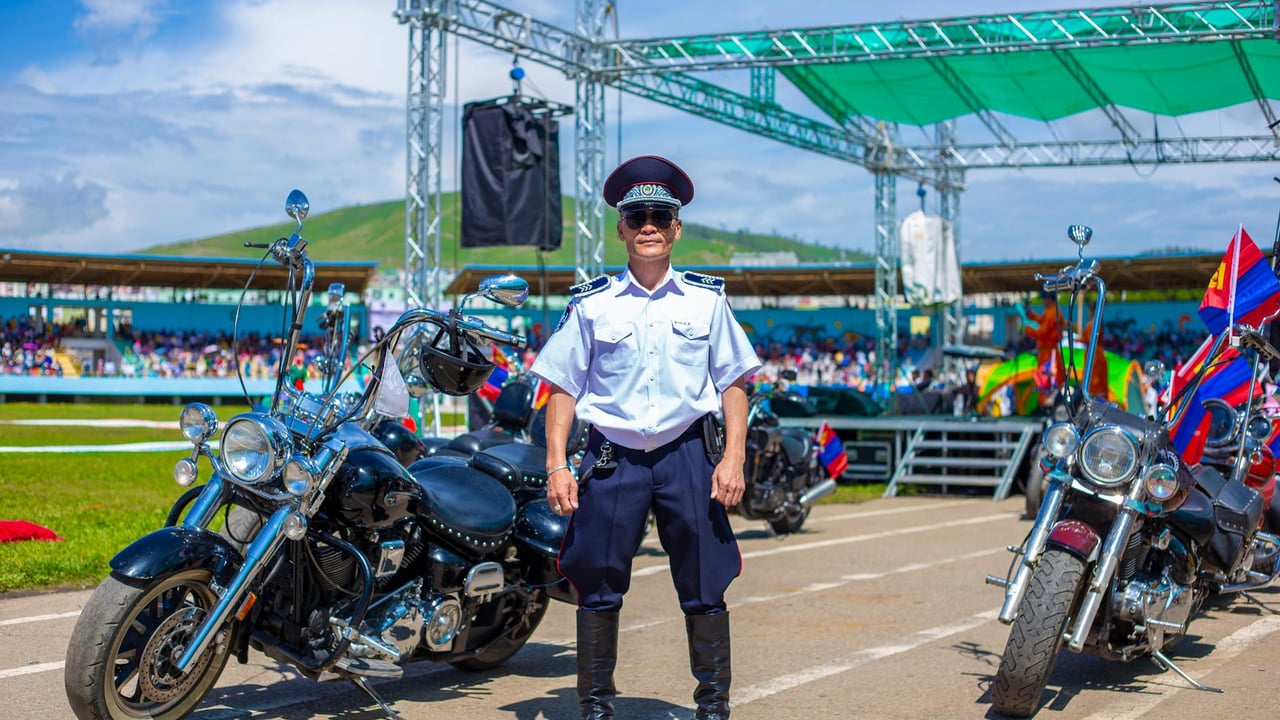
Police officer poses with motorcycles during an outdoor event with flags and a clear sky.

Key Takeaways

  • 1Six PAP soldiers acted as 'Red Commentators' at the historic Zunyi Meeting site to commemorate Youth Day.
  • 2The initiative focuses on transforming static history into an interactive experience for domestic tourists.
  • 3Zunyi remains a critical site for CPC legitimacy, representing the survival and rise of Mao Zedong’s leadership.
  • 4The program serves both as a public outreach campaign and a method of internal ideological reinforcement for young service members.

Editor's
Desk

Strategic Analysis

This event highlights the Chinese Communist Party's (CCP) ongoing strategy to militarize patriotic education and civilianize military presence. By using young PAP soldiers as the faces of the Zunyi legacy, the state is addressing a perceived 'ideological softening' among the post-2000s generation. The People’s Armed Police, which primarily handles domestic security, is particularly suited for this role as a bridge between the state's coercive power and its ideological messaging. This 'Red Storytelling' is not merely a holiday activity but a strategic effort to ensure that the military remains the primary custodian of the national narrative, effectively anchoring the Party's 20th-century history in the 21st-century digital age.

China Daily Brief Editorial
Strategic Insight
China Daily Brief

On May 4th, China’s Youth Day, a group of young soldiers from the People’s Armed Police (PAP) Zunyi Detachment swapped their tactical duties for the role of historical guides. At the Zunyi Meeting site in Guizhou province, these six recruits engaged domestic tourists with vivid accounts of the Long March. This initiative signals a deliberate shift in how Beijing seeks to weave its revolutionary legacy into the fabric of modern national identity.

The choice of Zunyi as the backdrop for this outreach is highly symbolic. As the location where Mao Zedong first solidified his leadership within the Communist Party in 1935, it is regarded as the “great turning point” in the Party’s survival. By placing active-duty soldiers at the center of this narrative, the state is reinforcing the historical link between the military’s modern role and its foundational struggles.

This deployment of “Red Commentators” reflects a broader trend in China to revitalize “Red Tourism” through experiential education. Rather than relying on static exhibits, the PAP's involvement transforms historical events like the “Four Crossings of the Chishui River” into living testimonies. This approach aims to bridge the generational gap, making the hardships of the past feel urgent and relevant to a modern audience more accustomed to economic prosperity.

For the soldiers themselves, the exercise functions as a dual-purpose tool for public relations and internal indoctrination. By narrating these stories, the soldiers undergo a process of “heart-cleansing,” deepening their own ideological commitment while presenting a friendly, disciplined face to the public. As the Party emphasizes the need to pass on “Red Genes,” these young servicemen act as the primary conduits for ensuring the loyalty of the next generation.

Share Article

Related Articles

📰
No related articles found