Strategic Silence: Deciphering the Reported Missile Exchange in the Strait of Hormuz

Reports of a missile encounter in the Strait of Hormuz indicate a significant escalation in U.S.-Iran tensions and the fragile state of global energy security. This incident showcases Iran's willingness to use its missile capabilities to challenge American naval hegemony in a region vital for global oil transit.

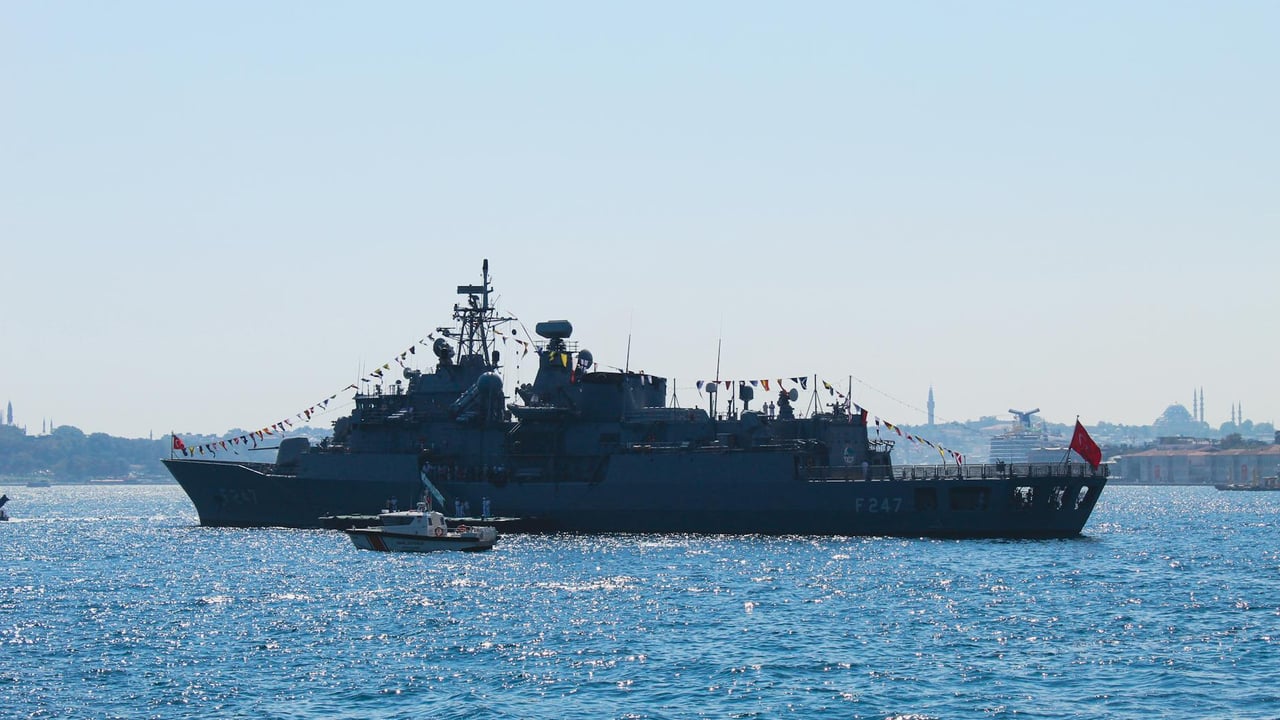
Navy ship on the Bosphorus with Istanbul skyline in background, taken during the day.

Key Takeaways

  • 1An alleged missile launch by Iran targeted a U.S. Aegis destroyer in the Strait of Hormuz on May 4.
  • 2The incident is framed as a deliberate display of Iranian asymmetric power rather than an accidental engagement.
  • 3The U.S. military presence in the region is increasingly tied to global oil price stability and domestic political considerations.
  • 4Iran utilizes the threat of closing the Strait of Hormuz as a strategic deterrent against U.S. economic and military pressure.
  • 5The Pentagon's muted response suggests a strategic move to prevent a surge in global oil prices and avoid unwanted military escalation.

Editor's
Desk

Strategic Analysis

The reported incident in the Strait of Hormuz underscores a shift in the Middle Eastern security architecture, where traditional naval dominance is being systematically challenged by localized asymmetric capabilities. For the United States, the challenge is no longer just about maintaining a presence, but about the diminishing returns of that presence in the face of sophisticated land-to-sea missile threats. Tehran is banking on the fact that the U.S. political system has no appetite for a disruption in oil supply that would follow a direct confrontation. Consequently, we are entering a phase of 'managed friction,' where both sides test limits without crossing the threshold of total war, though the risk of a miscalculation remains at its highest in decades.

China Daily Brief Editorial
Strategic Insight
China Daily Brief

The Strait of Hormuz remains the world’s most precarious maritime choke point, a reality underscored by recent reports of a high-stakes encounter between Iranian forces and the U.S. Navy. On May 4, a reported missile launch targeting a U.S. Aegis-class destroyer signaled a sharp escalation in the long-standing shadow war for control of the Persian Gulf's exit.

While official Pentagon channels remained uncharacteristically quiet, the incident highlights the deteriorating state of regional security. This "fire-but-miss" tactic is interpreted by many analysts not as a failure of precision, but as a deliberate signaling mechanism by Tehran. By demonstrating the ability to target high-value American assets, Iran seeks to challenge the "freedom of navigation" narrative that has long underpinned U.S. naval presence in the region.

Washington’s continued deployment in these contested waters is increasingly viewed through the lens of economic and domestic survival. Beyond the stated goal of protecting international trade, the U.S. remains deeply invested in the stability of global oil pricing, a sector where the Strait accounts for nearly a quarter of all seaborne traffic. For an administration facing an upcoming election, the optics of a retreat would be politically fatal, yet the risk of a kinetic conflict looms larger than ever.

Iran’s leverage in this theater is fundamentally asymmetric, relying on a vast arsenal of short-to-medium-range missiles and the geographical advantage of the shoreline. The threat of a total blockade remains Tehran’s ultimate deterrent, a "nuclear option" for global markets that would likely trigger a catastrophic spike in energy costs. This reality forces a reluctant pragmatism on Washington, where the most likely response is a low-profile de-escalation to avoid a full-scale maritime war.

Share Article

Related Articles

📰
No related articles found