Tehran Shuts the Strait: A High-Stakes Gamble in the Shadow of War

Iran has declared the Strait of Hormuz closed, with a senior advisor to the Supreme Leader describing the nation as being in a 'state of war' with the United States. This escalation, combined with a refusal to limit missile development, significantly heightens the risk of conflict in the world's most vital energy corridor.

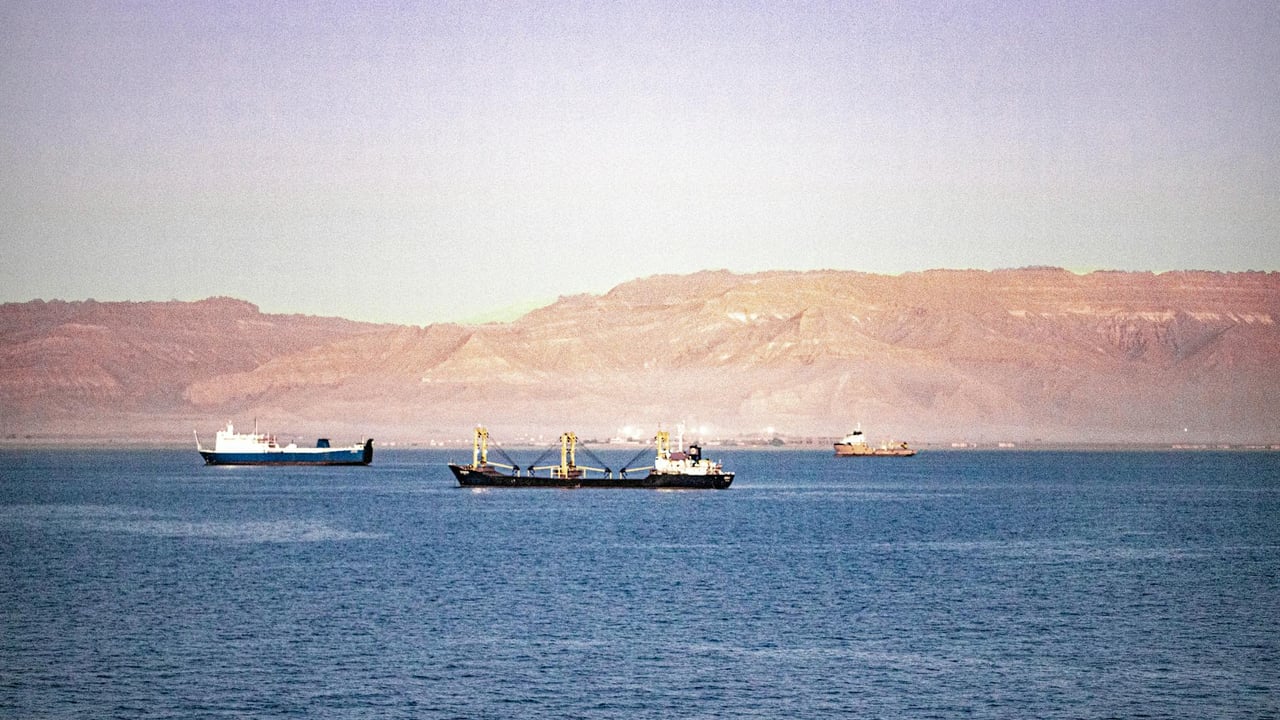
Serene view of cargo ships navigating the Suez Canal with mountains in the background.

Key Takeaways

  • 1Ali Akbar Velayati announced the closure of the Strait of Hormuz, citing 'national will' as the only condition for reopening.
  • 2Iran officially characterized its relationship with the United States as a 'state of war.'
  • 3Tehran categorically rejected any limitations on its ballistic missile program.
  • 4The move targets the world's most vital oil transit route, threatening global energy security.

Editor's
Desk

Strategic Analysis

The declaration by Velayati serves as a definitive pivot toward maximalist pressure by Tehran. By framing the relationship with Washington as an active state of war, Iran is likely seeking to legitimize further asymmetric actions in the Persian Gulf. The closure of the Strait of Hormuz is often used as a rhetorical threat, but an actual sustained blockade would necessitate a massive international military response, likely led by the U.S. Fifth Fleet. This development suggests that diplomatic avenues have almost entirely collapsed, leaving both parties in a volatile cycle where miscalculation could lead to full-scale regional kinetic conflict.

China Daily Brief Editorial
Strategic Insight
China Daily Brief

The geopolitical temperature in the Middle East has reached a boiling point following a defiant declaration from Ali Akbar Velayati, the top foreign policy advisor to Iran’s Supreme Leader. In a statement that has sent shockwaves through global energy markets, Velayati announced the closure of the Strait of Hormuz, the world’s most critical maritime chokepoint for oil transit.

The advisor’s rhetoric leaves little room for ambiguity, asserting that the passage will remain sealed until the 'national will' of the Islamic Republic dictates otherwise. This move represents a direct challenge to the principle of international freedom of navigation and places Tehran on a collision course with Washington’s regional maritime security frameworks.

Beyond the immediate physical blockade, Velayati’s assertion that Iran and the United States remain in a 'state of war' serves as a stark reminder of the enduring structural hostility between the two powers. By explicitly rejecting demands to limit Iran’s ballistic missile capabilities, Tehran is signaling that its 'strategic patience' has been replaced by active, confrontational resistance.

The invocation of the Strait’s closure is a classic piece of Iranian brinkmanship, aimed at leveraging global economic stability against Western diplomatic pressure. As nearly a fifth of the world’s total oil consumption passes through these narrow waters, the closure is less a tactical military maneuver and more a strategic economic ultimatum aimed at forcing a global reassessment of current containment policies.

Share Article

Related Articles

📰
No related articles found