
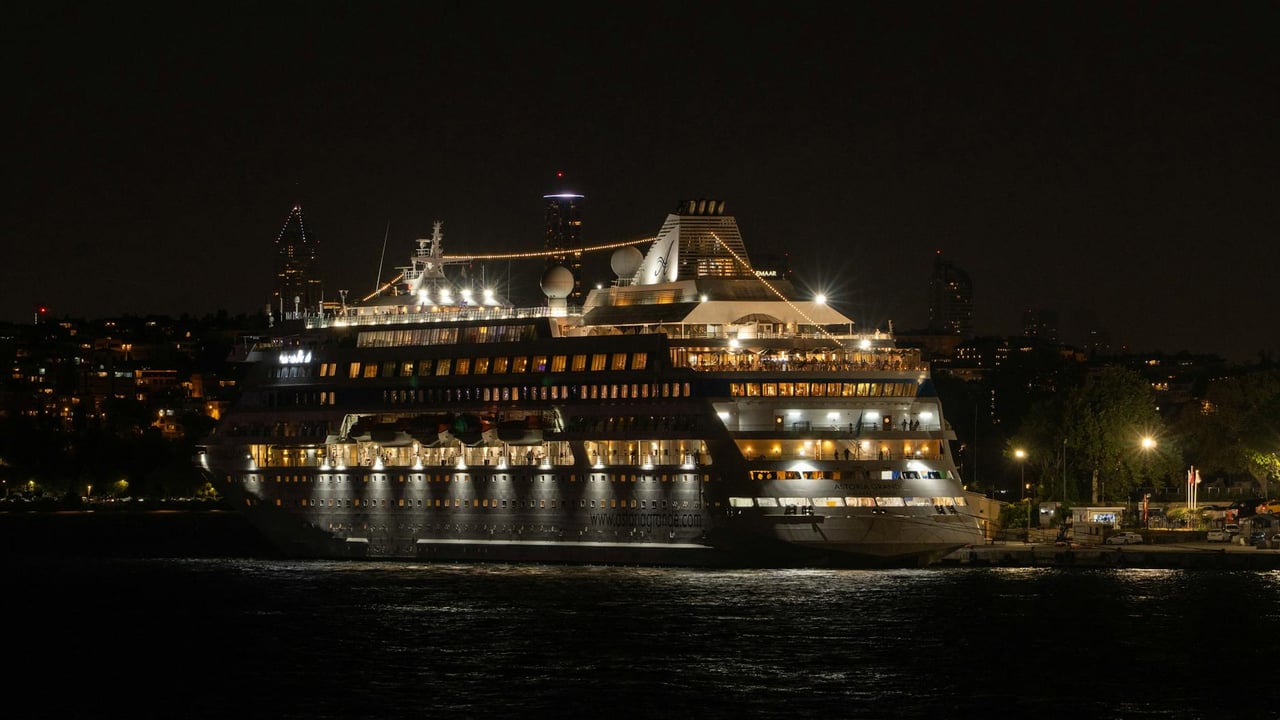

The 'Hondius,' a high-end ice-strengthened expedition vessel, currently sits in a grim state of maritime limbo off the coast of Cape Verde. What began as a €22,000-per-head journey from Argentina to the remote islands of the South Atlantic has devolved into a public health crisis. As of early May 2026, the ship has reported seven cases of a suspected Hantavirus outbreak, resulting in three fatalities among its affluent, mostly middle-aged passengers.
The outbreak’s trajectory suggests a lethal strain of Hantavirus Pulmonary Syndrome (HPS), a disease more commonly associated with rural South American rodent exposure than luxury maritime travel. The first victim, a Dutch national, succumbed to respiratory failure just days after showing mild symptoms. His wife died shortly thereafter in South Africa, followed by a German passenger who perished on May 2. These rapid escalations highlight the clinical ferocity of a virus that boasts a mortality rate as high as 50 percent.
Global health authorities are now focused on a critical question: how did the virus enter the vessel’s confined ecosystem? While Hantavirus typically spreads through contact with rodent excreta, the specific Andes strain endemic to South America is one of the few capable of human-to-human transmission. If the virus is indeed spreading between passengers, the 'Hondius' represents a high-stakes epidemiological experiment in a confined space, reminiscent of the early days of the COVID-19 pandemic on cruise ships.
Lu Hongzhou, a leading Chinese expert in emerging infectious diseases, notes that the timeline of infection suggests the passengers likely contracted the virus during their initial excursions in South America. However, the possibility of an on-board rodent infestation or contaminated supplies cannot be ruled out. The difficulty now lies in the logistical nightmare of evacuating the sick while local authorities in Cape Verde remain hesitant to allow potentially contagious individuals onto their soil.
This incident serves as a stark warning for the burgeoning 'frontier tourism' industry. As wealthy travelers seek out increasingly remote and ecologically diverse regions, they bypass traditional safety nets and expose themselves to rare zoonotic pathogens. The 'Hondius' was marketed as an escape to the world’s most isolated reaches, yet that very isolation is now the primary obstacle to saving the lives of those still on board.