
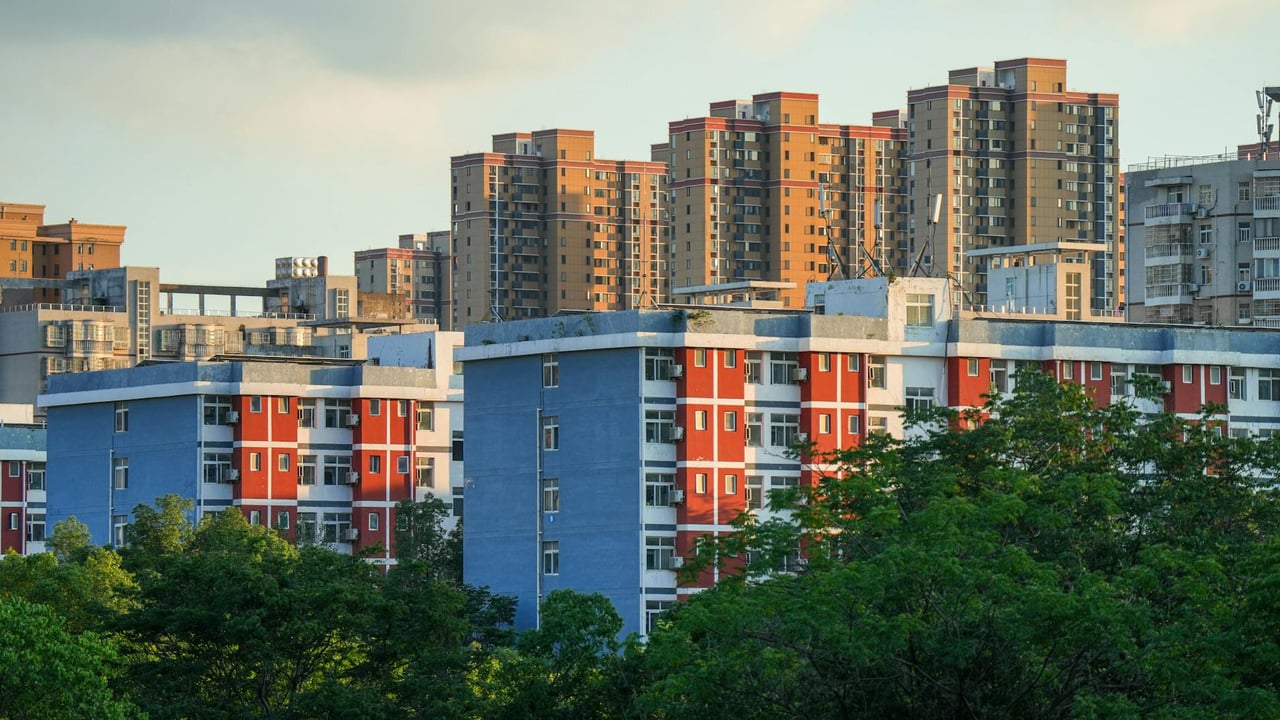

The traditional May Day holiday in China has transformed from a mere tourism peak into a critical theater of operations for the country's beleaguered property market. Within a 48-hour window, six major metropolitan hubs—including Shenzhen, Suzhou, and Wuhan—unveiled a coordinated wave of aggressive interventions. This synchronized 'rescue' effort reflects a growing realization in Beijing that generic, nationwide rate cuts are no longer sufficient to arrest a years-long slump that continues to weigh heavily on the world's second-largest economy.
Early data from Shenzhen suggests these localized 'micro-stimuli' are beginning to yield results, with secondary market signings surging by 114% compared to the same period last year. The focus has shifted from broad monetary easing to highly specific, consumer-centric incentives. Local governments are now weaponizing the Public Provident Fund (PPF), expanding its utility far beyond home loans to include renovations, parking space purchases, and even utility payments. By making these funds more liquid, officials hope to lower the friction of homeownership for a wary middle class.
In cities like Suzhou and Guangzhou, the strategy has moved toward aggressive supply-side management. Suzhou has taken the unusual step of halting residential land auctions in districts with high inventory, while simultaneously allowing developers to convert commercial plots into residential ones. Guangzhou is experimenting with social engineering to drive sales, linking home purchases directly to school enrollment through 'contract-to-enrollment' schemes. These measures aim to address the primary anxieties of Chinese homebuyers: the quality of the 'good house' and the assurance of public services.
However, the backdrop for these measures remains starkly challenging. National data for the first quarter of 2026 shows a 10.4% decline in new home sales area and a nearly 17% drop in sales value. The current flurry of activity is a race against time to prevent 2026 from becoming another lost year for real estate investment. Policymakers are looking to Shanghai as a bellwether; the city recorded a 10-year high in secondary market transactions this April, providing a potential template for a volume-led recovery that other cities are now desperate to replicate.