
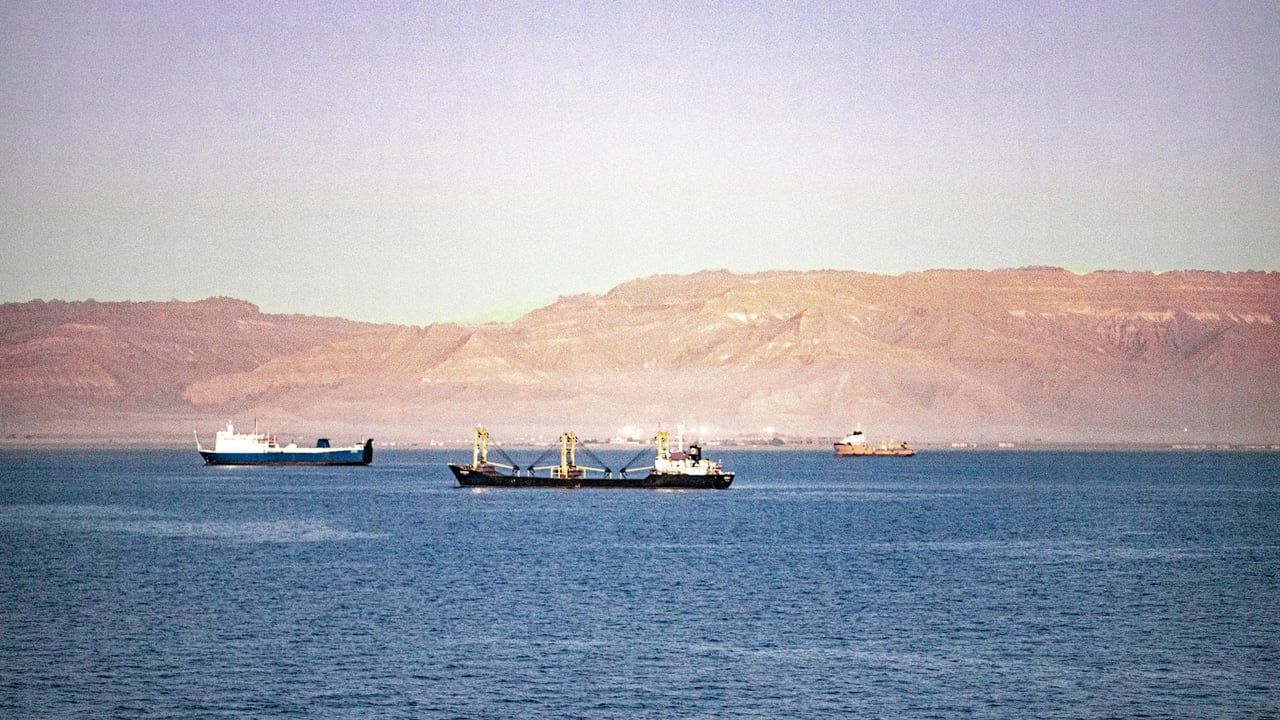

In a characteristic blend of brinkmanship and tactical retreat, President Donald Trump announced on Monday a temporary suspension of 'Operation Freedom,' the U.S.-led naval initiative providing armed escorts through the Strait of Hormuz. The move follows what the administration describes as the successful conclusion of 'Operation Epic Fury,' a military campaign against Iranian interests launched earlier this year. Trump cited requests from Pakistan and other regional intermediaries as the primary catalyst for the pause, suggesting that a comprehensive and final agreement with Tehran is now within reach.
Global financial markets reacted with immediate volatility to the prospect of a diplomatic breakthrough. U.S. stock futures surged during early Asian trading, while international oil benchmarks saw a sharp correction. West Texas Intermediate (WTI) crude plummeted nearly 4%, dipping toward the psychologically significant $100 per barrel mark, as the geopolitical risk premium that has long supported energy prices began to evaporate on hopes of normalized maritime trade.
The equity rally was led by a historic surge in the semiconductor sector. The Philadelphia Semiconductor Index (SOX) climbed over 4% to reach an all-time high, fueled by a convergence of easing geopolitical tensions and reports from IDC suggesting a structural shift in the global memory chip cycle. Intel led the pack with a 13% gain, while Micron and SanDisk followed closely. Investors appear to be betting that a stabilized Middle East will secure global supply chains, even as internal market breadth remains a concern for Wall Street skeptics.
Despite the optimistic tone from Washington, the rhetoric from Tehran remains measured and cautious. Iranian President Masoud Pezeshkian emphasized that while 'rational dialogue' remains possible, the logic of 'maximum pressure' combined with unilateral demands is a non-starter. Pezeshkian noted that Iran has faced military threats even as negotiations were purportedly underway, signaling that a deep trust deficit continues to hamper a final resolution despite the mediation efforts of Iraq and Pakistan.
U.S. Secretary of State Marco Rubio confirmed that the active military phase of the recent campaign has concluded, but Defense Secretary Pete Hegseth warned that the ceasefire is not yet permanent. This 'strategic pause' in the Strait of Hormuz appears to be a high-stakes gambit by the Trump administration to force a final signature from Tehran, using the duality of naval presence and diplomatic opening as leverage in what could be the most significant Middle Eastern realignment in decades.