
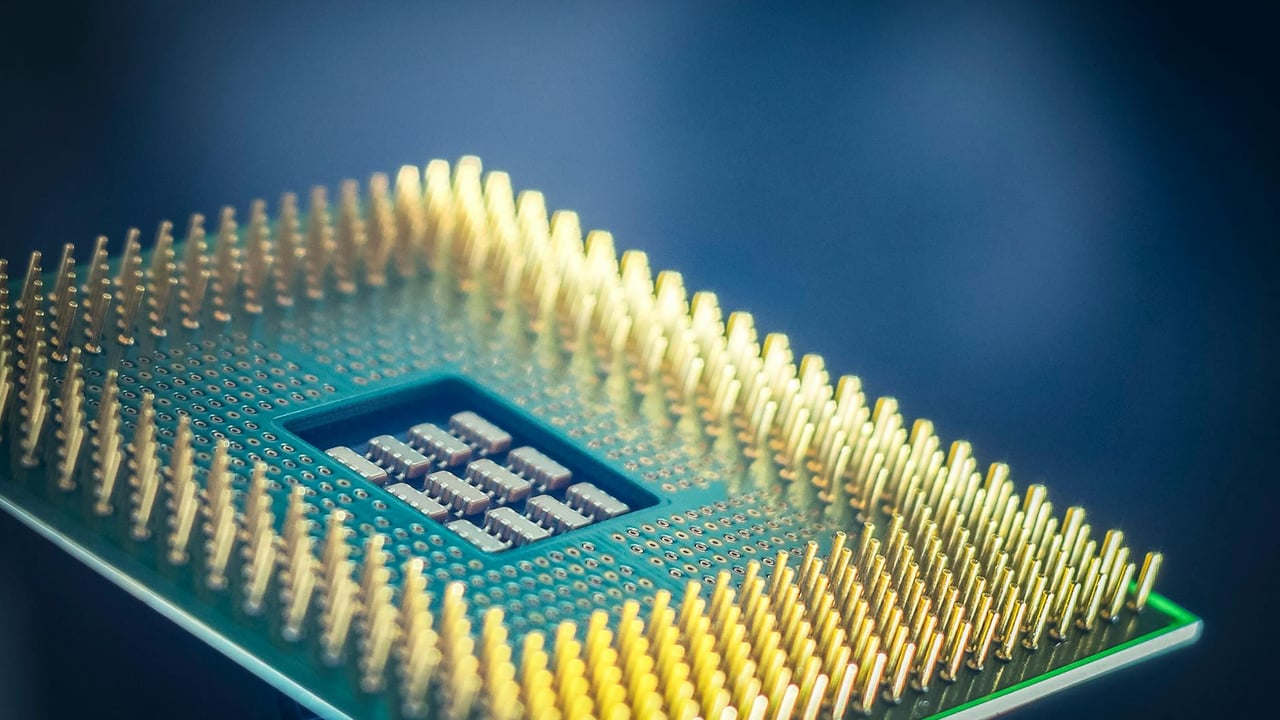

The morning session on May 6, 2026, witnessed a dramatic vertical climb in China’s technology-heavy indices, signaling a massive reallocation of capital toward domestic high-tech sectors. The STAR 50 Index, a barometer for China’s equivalent to the Nasdaq, surged by over 8% in a single session, approaching historic peaks. This rally was fueled by record-breaking performances from domestic semiconductor heavyweights, which have become the focal point of China's drive for technological sovereignty.
Market heavyweights Haiguang Information and Cambricon Technologies—domestic champions in the AI and high-performance computing space—both hit all-time highs, with the latter seeing gains exceeding 10%. The surge is largely perceived as a market-driven response to tightening Western export controls. As access to foreign high-end chips becomes increasingly restricted, investors are betting on the inevitability of domestic substitution, effectively pricing in a 'monopoly of necessity' for these local firms.
Broad-based participation was evident as the combined turnover of the Shanghai and Shenzhen markets surpassed 2.08 trillion RMB in just the first half of the day. Beyond the core computing chip sector, gains were also concentrated in memory chips and commercial aerospace, suggesting a comprehensive push into 'hard tech' industries. More than 4,000 stocks advanced across the board, reflecting a high level of institutional confidence in Beijing's strategic industrial pivot.
In contrast, traditional consumer-facing sectors like tourism and hospitality faced significant corrections, with major hotel chains like Jinjiang and BTG Hotels seeing their share prices dip. This divergence highlights a structural shift in the Chinese equity market. Capital is rapidly migrating from low-growth consumer services toward the strategic frontlines of the global tech war, where state policy and market liquidity are now working in tandem.