
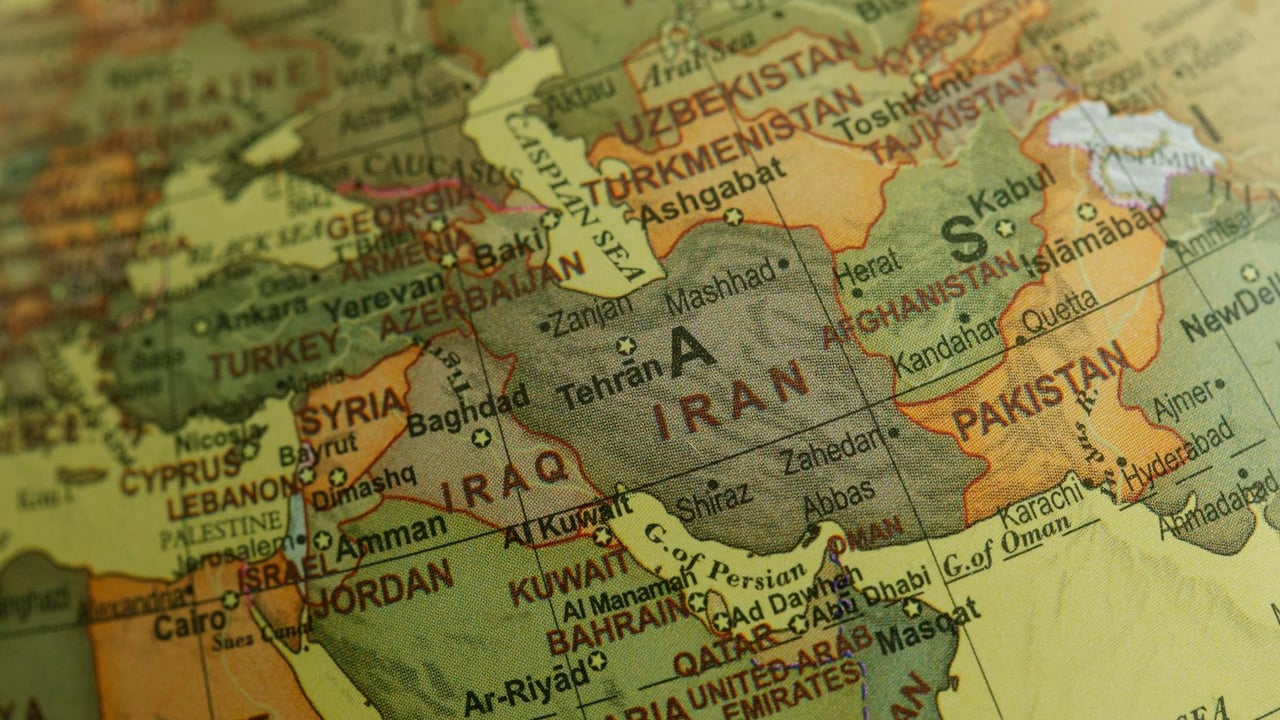

The official conclusion of 'Operation Epic Fury' marks a pivotal, albeit uncertain, transition in the United States' confrontational stance toward Iran. Secretary of State Marco Rubio’s declaration that the military phase has ended signals Washington's desire to pivot from active kinetic engagement to a period of coercive diplomacy. However, the lack of consensus within the administration regarding the durability of the ceasefire suggests that this peace is more transactional than structural.
President Donald Trump’s refusal to define specific red lines for Iranian behavior reflects a calculated policy of strategic ambiguity designed to keep Tehran off-balance. By suggesting that Iran 'knows what not to do,' the White House is prioritizing personal leverage and psychological pressure over established diplomatic protocols. This approach seeks to force Iran into a comprehensive 'deal' by maintaining an ever-present, yet undefined, threat of overwhelming retaliation.
Despite the cessation of major operations, the security environment in the Persian Gulf remains dangerously volatile. Military reports indicate that Iran has continued to test American resolve through a series of 'grey zone' activities, including drone strikes and the harassment of merchant shipping in the Strait of Hormuz. The US military’s current restraint suggests a high threshold for re-escalation, even as regional allies like the United Arab Emirates find themselves on the front lines of Iranian missile barrages.
Ultimately, the 'end' of the operation may be more about domestic political optics than regional stabilization. While the administration claims victory in its latest phase of pressure, the persistent attacks on maritime trade and allied territory suggest that the underlying drivers of conflict remain unresolved. For global markets and regional powers, the current lull represents not a resolution, but a precarious pause in a long-term struggle for regional hegemony.