

The soaring arches of the Frederick Douglass Memorial Bridge in Washington, D.C., have become the unlikely stage for a high-stakes geopolitical drama. Since May 1, 2026, activist Guido Reichstadter has remained perched atop the 51-meter structure in a daring act of civil disobedience. His target is not the bridge itself, but the American government’s escalating military engagement with Iran.
Reichstadter’s protest is fueled by a specific tragedy on February 28, when a strike reportedly killed hundreds of Iranian schoolchildren. He describes his presence on the bridge as an act of refusal, claiming that he will no longer be an accomplice to what he terms 'mass slaughter.' His vigil has drawn a growing crowd of supporters to the Anacostia River, many of whom echo his calls for an immediate cessation of hostilities.
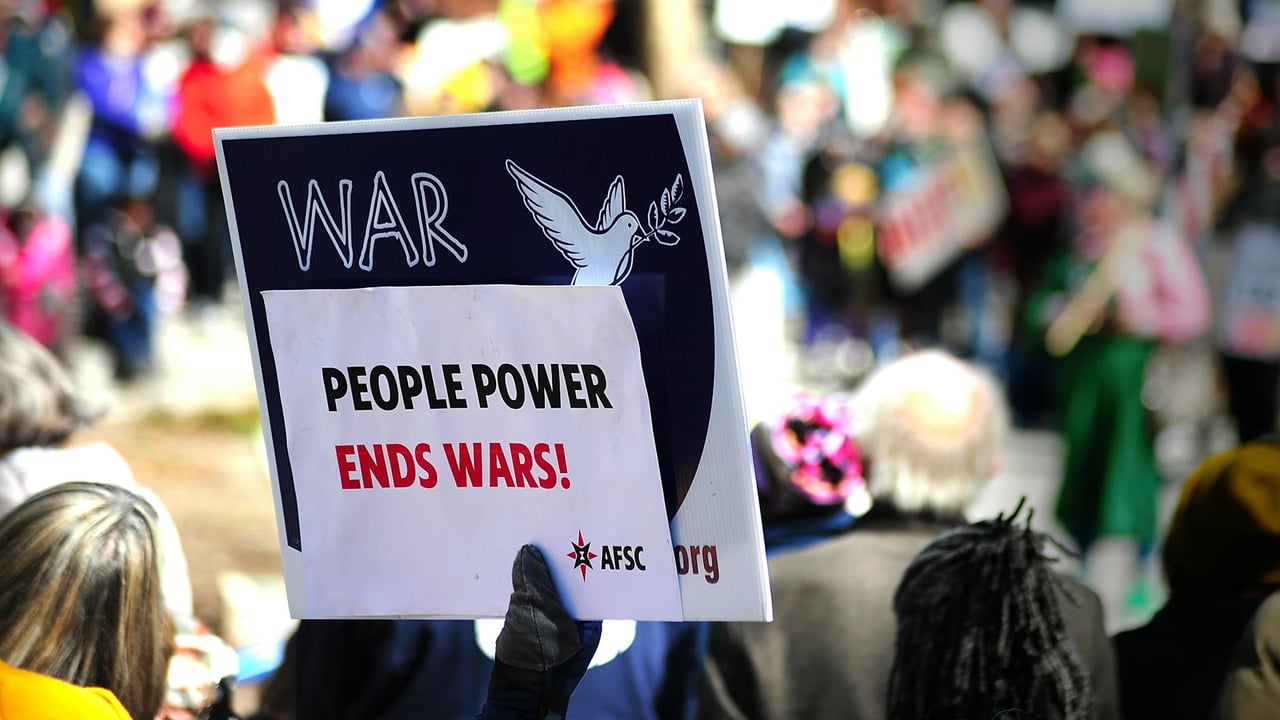
The rhetoric at the base of the bridge reflects a deepening fissure in American public opinion regarding Middle Eastern foreign policy. Protesters like Atifa, an anti-war activist, argue that the conflict is being driven by external pressures rather than national interest. There is a palpable sense of frustration among these groups regarding the allocation of tax dollars toward a war they deem illegal and unnecessary.
This domestic unrest in the United States finds a mirror image in the streets of Tel Aviv, where thousands have gathered to protest their own government's reliance on military force. The Israeli demonstrations highlight a society at a breaking point over the cost of perpetual conflict and the perceived instability of the current administration. Citizens are increasingly vocal about the double standard of military exemptions for some while others are sent to the front lines.
As the standoff on the Frederick Douglass Bridge continues, it serves as a potent symbol of the friction between state-level strategic objectives and grassroots humanitarian concerns. The synchronized protests in Washington and Tel Aviv suggest a burgeoning transnational movement that questions the long-held doctrines of 'peace through strength.' For the Biden-era successors or subsequent administrations, these heights of dissent represent a growing challenge to the traditional conduct of regional power politics.