
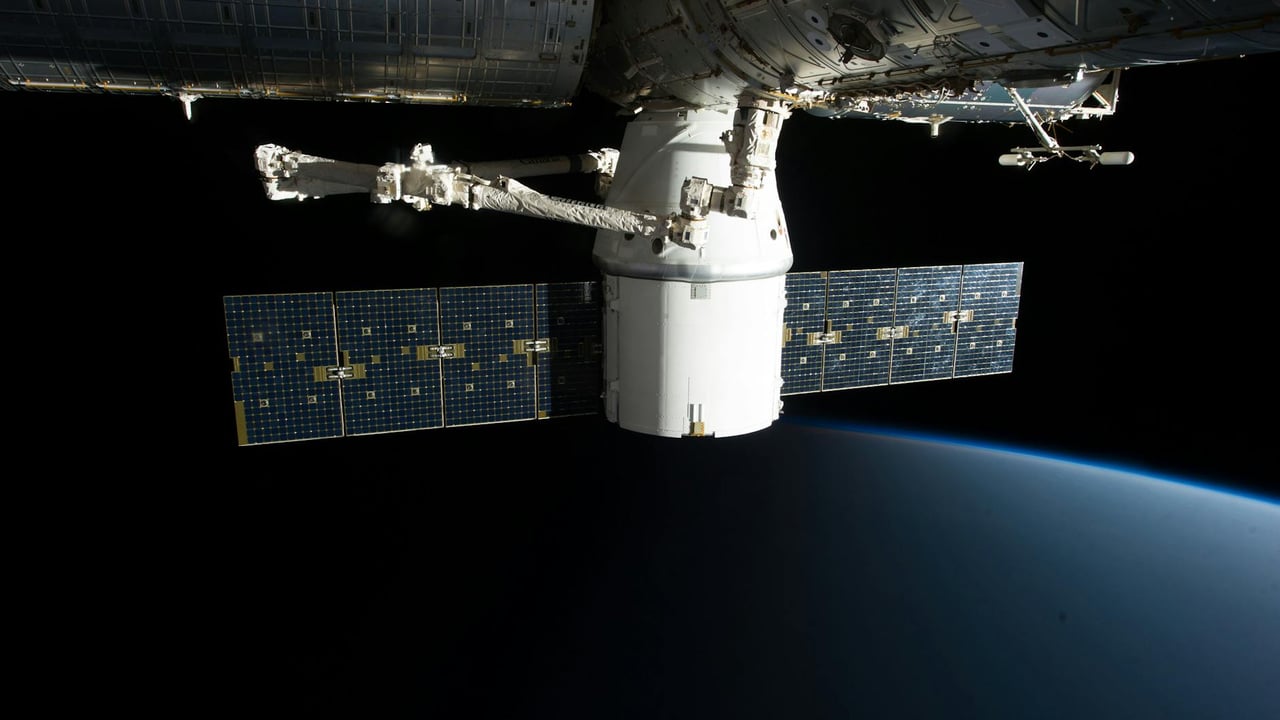

The Tianzhou-9 cargo spacecraft has successfully undocked from the Tiangong Space Station, marking the conclusion of its primary orbital mission. Following its separation, the vessel is scheduled to undergo a period of independent flight before beginning a controlled re-entry into the Earth’s atmosphere. This maneuver represents the final phase of a mission that has been critical to the continued operation of China’s permanent presence in Low Earth Orbit.
Launched to support the logistical needs of the station’s resident crews, Tianzhou-9 acted as the orbital outpost’s lifeline. Beyond delivering essential propellant and fresh provisions, the cargo ship facilitated the transfer of scientific equipment and the disposal of waste accumulated during previous months of habitation. Its departure signals the clearing of a docking port for future resupply missions, ensuring a seamless rotation of supplies and personnel.
The success of the Tianzhou series highlights the maturation of the China Manned Space Agency’s (CMSA) operational capabilities. As the Tiangong station moves deeper into its 'application and development' phase, these supply runs have evolved from experimental milestones into a standardized, high-cadence assembly line. This reliability is foundational to China's long-term goal of maintaining a continuously occupied space laboratory.
Compared to the logistical complexities and aging infrastructure often associated with the International Space Station (ISS), the Tiangong program benefits from a modular design and modern systems. The precision of the undocking procedure further demonstrates the sophisticated automation that Beijing has integrated into its space program. This technological prowess continues to bridge the gap between China and traditional space leaders, positioning Beijing as a central player in the future of space exploration.